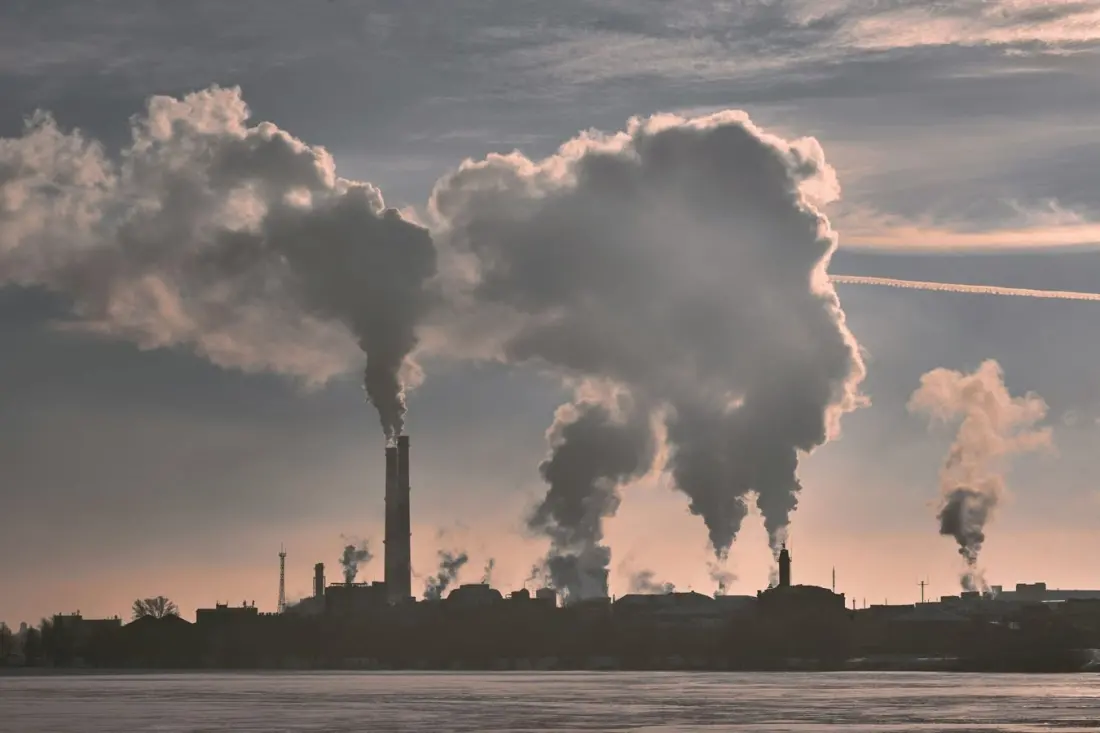
Researchers at Queen's University Belfast have pulled together evidence suggesting that dirty air may be connected to one of the most serious mental health outcomes there is. In a meta-analysis of 29 studies, the team examined how air, noise, light and water pollution relate to death by suicide, attempted suicide and suicidal thoughts. Their conclusion: exposure to fine particulate matter and nitrogen dioxide was associated with higher risk, while a further 16 studies pointed to sulphur dioxide, ozone and noise pollution showing similar associations. Evidence around light and water pollution was inconclusive.
The scale of the underlying issue is stark. The World Health Organization estimates more than 727,000 people die by suicide each year, making it the third leading cause of death among 15- to 29-year-olds. The Belfast researchers argue their findings show air quality should be treated as a public health matter within suicide prevention strategies, describing environmental exposures as potentially 'modifiable risk factors' — in other words, something society can actually change.
The paper has not gone unchallenged. Dr Jon Van Niekerk, chair of the general adult faculty at the Royal College of Psychiatrists, told The Guardian that pollution tends to overlap with other known drivers of poor mental health — deprivation, urban living, housing and physical health — and warned against reading the work as a way to predict individual risk or as a standalone prevention measure. Suicide, in short, is multi-factored, and this study shows association rather than proven cause.
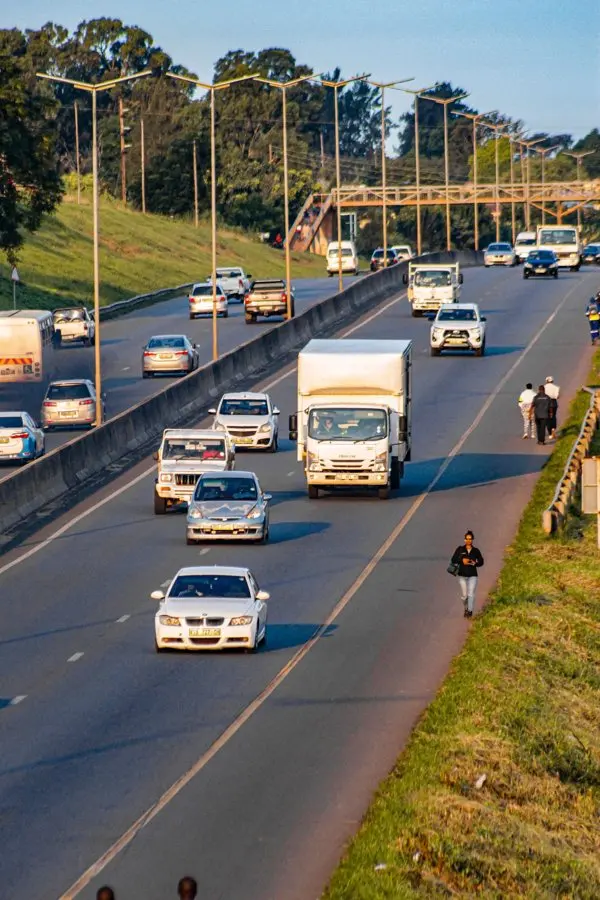
So why does this matter to travellers? Transport accounts for roughly 14–15% of global emissions, meaning the travel industry is part of the pollution picture the research describes. And for the growing number of people spending months abroad — long-stay trips, remote work, the digital-nomad lifestyle — destination choice is also an air-quality choice. Cities with chronically poor air, from Delhi to Jakarta to Cairo, expose residents and long-term visitors alike to exactly the pollutants flagged in the research. Anyone planning an extended stay might reasonably factor air quality data into where they base themselves, alongside cost, visas and connectivity.
If you or someone you know is struggling, support is available — in the UK and Ireland, Samaritans can be reached free on 116 123; in the US, call or text 988.