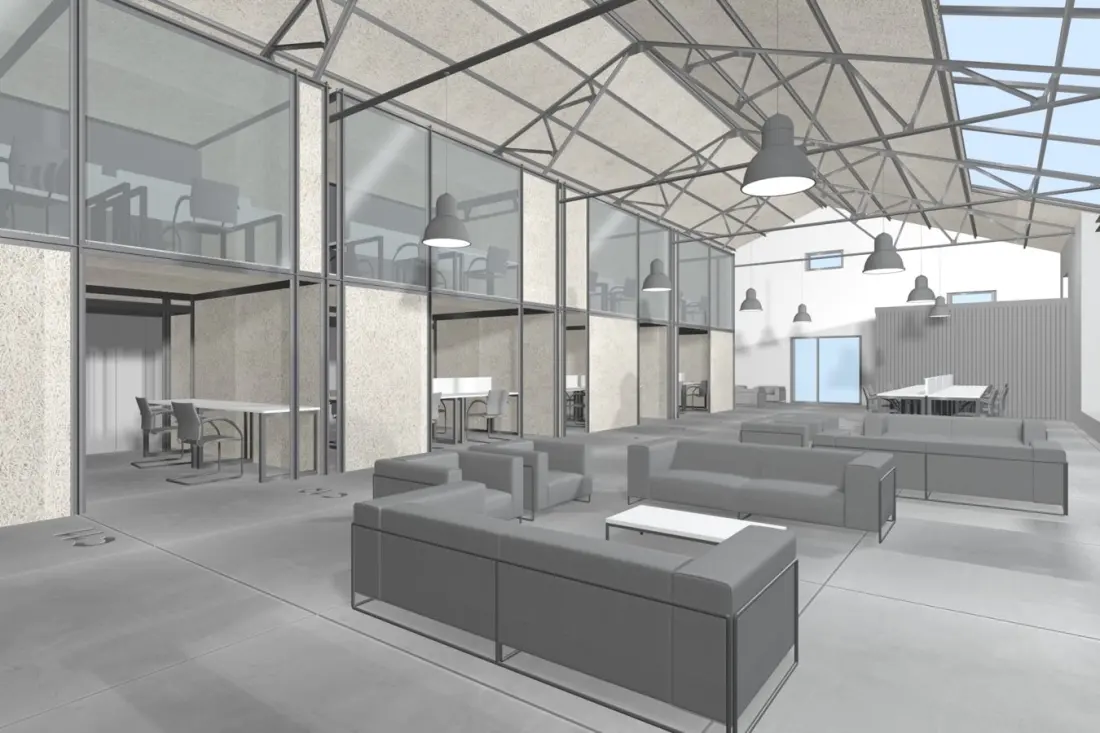
Alcoutim, one of the quietest corners of the inland Algarve, is turning a familiar old building into something new. The town council is spending €1.27 million converting a former grain warehouse at the entrance to town into a business and coworking centre, with work due to finish by 30 September 2028.
The project has a name locals will appreciate: 'Celeiro de Ideias' — literally 'Granary of Ideas'. The old EPAC warehouse, which sits beside the EN122.1 road, will be renovated to house microbusinesses, startups, freelancers and local artisans. Around the building, the council also plans landscaping plus improvements to accessibility, safety and sustainability in the surrounding public space.
Money for the scheme comes largely from Europe. About 60% — €761,897 — is covered by the European Regional Development Fund under the Algarve 2030 Regional Programme, which funds economic, social and environmental development across the region. The application was approved on 27 August, with the acceptance agreement signed on 23 September.
For the council, the centre is a tool as much as a building. Alcoutim faces the challenge common to much of the Portuguese interior: keeping and attracting residents. The new hub will offer support services for local entrepreneurs, help spot new business opportunities in the municipality, and give existing small businesses a base to grow, hire and go self-employed. There's also a sentimental note — the warehouse holds a strong place in the town's collective memory, and the council sees its second life as a way of pointing that heritage toward the future.
Why should travellers care? Alcoutim sits on the Guadiana river across from Spain, a world away from the Algarve's resort strip. If you're a remote worker or long-stay traveller looking for an affordable, low-key base in southern Portugal, a purpose-built coworking facility here — with ERDF backing behind it — could make this sleepy riverside town a genuinely workable option well before the 2028 completion date, as supporting services and public-space upgrades roll out. It's also a signal that Portugal's inland towns are investing in exactly the kind of infrastructure digital nomads keep asking for.