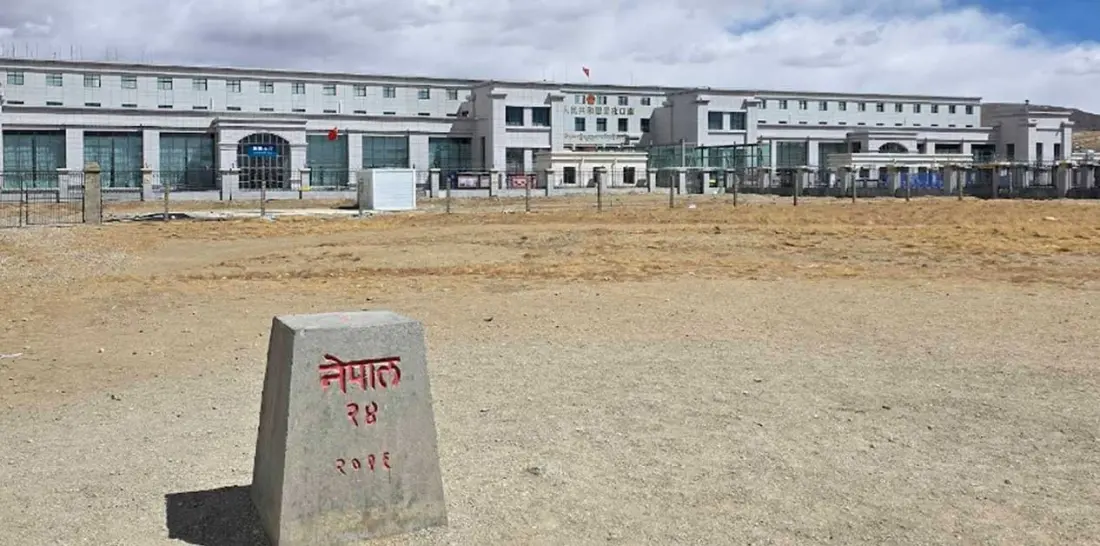
If you were planning to cross between Nepal and Tibet in the coming weeks, the short answer is: don't count on it. Every one of the three highways linking Nepal with China is currently impassable, knocked out by this year's unusually destructive monsoon.
The first to go was Rasuwagadi–Kerung, the busiest of the three crossings and the main overland gateway north of Kathmandu, which was washed away on 26 August. Landslides then cut the road at Kodari, the historic Araniko Highway crossing towards the Tibetan plateau east of the capital. And in the far west of the country, the Korala crossing in Mustang — the dramatic high-desert route towards Upper Mustang and the border with Tibet — has been severed by damaged roads and bridges after last week's heavy rain. Local officials say the Mustang road could take as long as 10 days to reopen, and that assumes the weather cooperates.
The closures are mostly being reported through a trade lens, and understandably so: Nepal imports electric vehicles and much of its consumer goods overland from China, and the timing is awkward. The Dasain and Tihar festival season is approaching, the country's biggest shopping and travel window of the year, so shipments of EVs, electronics and festive stock are stuck on the wrong side of the Himalaya.
For travellers, though, the picture matters too. Overland crossings between Nepal and Tibet have always been tightly controlled, requiring permits and arranged tours, but they are popular with overlanders heading between Kathmandu and Lhasa, and the Rasuwagadi route in particular is the standard land option. With all three routes down simultaneously — an unusual situation — there is effectively no overland route between the two countries right now. Even flights aside, domestic travel in Nepal is disrupted too: monsoon landslides routinely close highways around the country, so if you are travelling within Nepal itself, build in buffer days and check road conditions before setting out, especially on the routes north from Kathmandu and up the Kali Gandaki into Mustang.
The practical takeaway: if your itinerary includes a Nepal–Tibet land crossing in September, treat it as tentative until the crossings formally reopen, and have a flight backup. If you are headed to Nepal purely for the festivals, trekking or the mountains, you are largely unaffected — the disruption is concentrated on the northern border corridors, not the classic tourist circuits. And if Mustang is on your list, note that even when the Korala road reopens, late monsoon conditions in that region can mean lingering delays; the Upper Mustang season really comes into its own once the rains ease. Road conditions in Nepal can change overnight during the monsoon, so treat any published reopening estimate — even the 10-day figure for Mustang — as optimistic.
Story reported by Nepali Times.