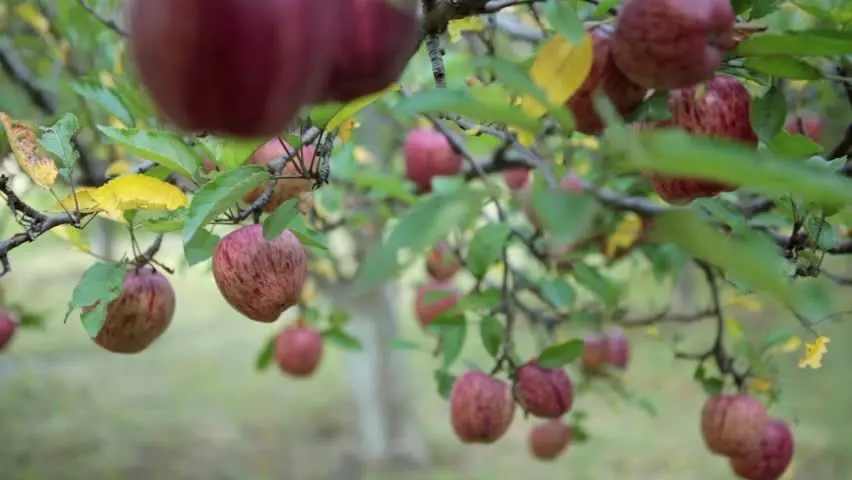
Apples are rotting on trees and in cold stores across Mustang, Nepal's high-altitude apple heartland, after floods tore into the Beni-Jomsom-Korala road this autumn. With the route blocked, farmers in villages along the Kali Gandaki valley have watched their year's income sit unsold — the fruit simply cannot get to market.
The damage is a big deal for this corner of the Annapurna region. Mustang's dry, mountain climate produces crisp, sweet apples that are famous across Nepal, and the harvest is the economic backbone of many villages between Beni and Jomsom. The Kali Gandaki bridge that took partial damage is expected to be repaired within about ten days, which should restore some flow of produce, but growers are already counting heavy losses from the fruit that spoiled in the meantime.
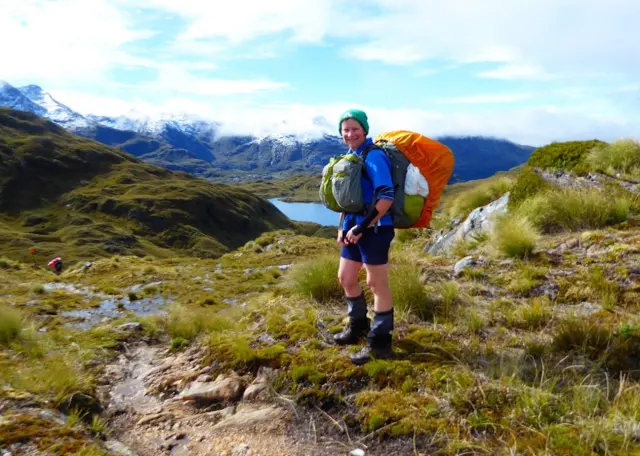
For travellers, the knock-on effects are worth knowing about. The same road is the main supply and access line for the Annapurna Circuit and the popular Jomsom-Muktinath route, so disruptions can affect bus schedules, food supplies in mountain villages and the availability of that legendary fresh apple pie. If you're trekking or riding the route in the weeks after a flood event, build in extra time, carry cash and some snacks, and expect local produce prices to swing.
There's also a simple way to help: when the road reopens, buy Mustang apples — fresh, as juice, dried or baked into pies at teahouses. Tourism and farming prop each other up here, and a season of spoiled harvests hits the same families who host trekkers. The landscape itself is part of the appeal — a dramatic, rain-shadow desert of cliff-side villages, prayer flags and views of Nilgiri and Dhaulagiri. Losing a few days to a landslide or a broken bridge is part of travelling in the Himalaya; a bit of patience and spending money locally goes a long way.
Nepali Times