A woman who paid more than $3,000 for premium economy on American Airlines flight 198 from New York JFK to Milan on May 27, 2024 says the man in the next seat spent roughly an hour pleasuring himself beside her after the cabin lights dimmed — and that when she reported it, a flight attendant shrugged it off with the words "men just do stuff like that."
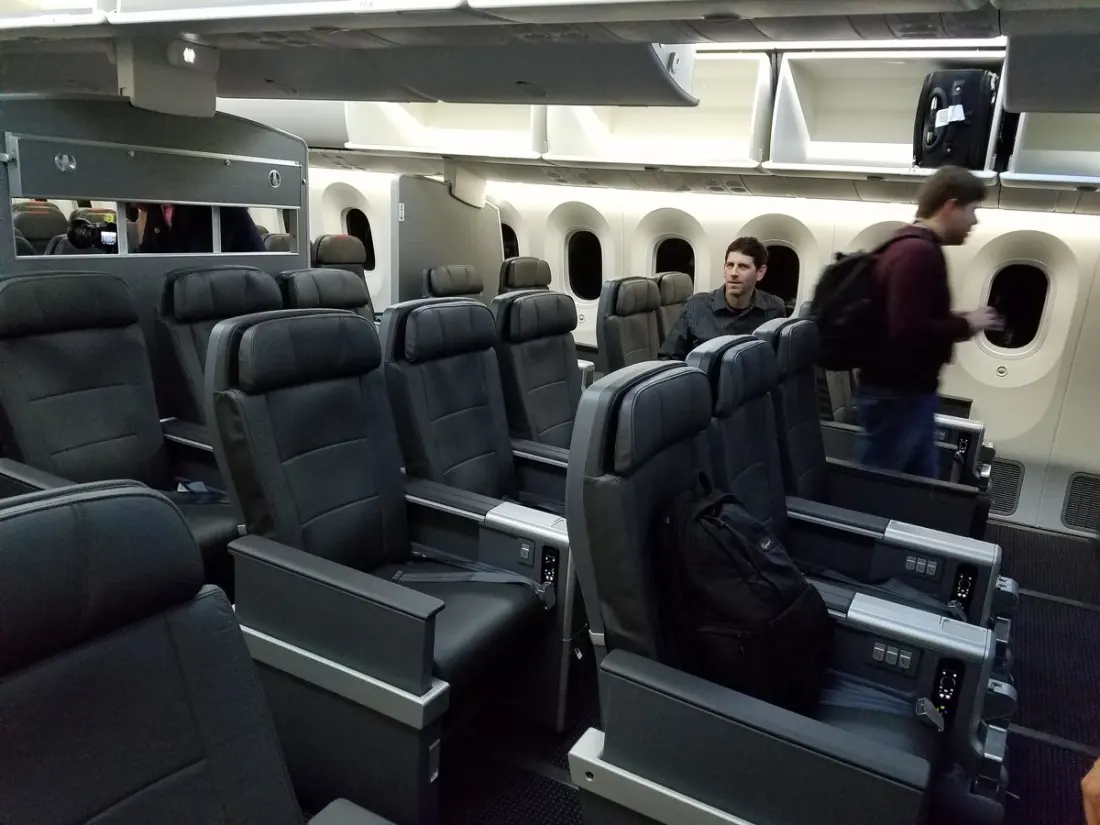
According to the court's account of her complaint, the passenger had booked the upgraded seat specifically so she could sleep before going straight to a business meeting on arrival. She was in the window seat, felt trapped, and says she froze, struggled to breathe and felt nauseous during the incident. She says she didn't use the call button and that no crew member came through the cabin during that hour. Once she reported what had happened, she says the attendant refused to move the man, offered no investigation, and didn't flag him to American or law enforcement. Instead, she was moved — downstairs to economy. The man stayed where he was. American later declined to refund the fare difference, and he has since been named as a defendant in her suit alongside the airline.
The legal fight is where things get interesting. Because this was an international flight, the Montreal Convention governs the claim, and it requires an "accident" causing "bodily injury." American argued her allegations met neither test; the judge called that position "plainly meritless," noting another passenger's intentional conduct can count as an accident. But the injury threshold is a high bar — nausea, hyperventilation and heart palpitations count only as symptoms of emotional distress unless she can show PTSD causing actual physical injury to her brain. So the case proceeds, though her odds of ultimately clearing that bar look slim. Meanwhile, her straightforward demand for the seat downgrade compensation was tossed out entirely, because the treaty simply doesn't offer a remedy for it.
American's likely defence is that crew only learned of the behaviour after it stopped and acted immediately by separating the two. Her counterargument: the man was visibly intoxicated after multiple glasses of champagne, and the cabin wasn't being monitored. Notably, the judge refused American's request to strike allegations about similar incidents on its other flights, reasoning they're relevant to whether the airline knew of the risk. The male passenger, for his part, failed to get the claims against him dismissed — civil assault and emotional distress claims stand even though he never touched her.
Why should travellers care? Because responses to in-flight sexual misconduct vary wildly. Comparable recent complaints saw one passenger on a domestic American flight offered 5,000 miles after reporting a man fondling himself, and a United passenger sent back to sit beside the man she'd reported, compensated with a $100 credit. Yet on a Baltimore–Miami American flight, crew contacted the ground and requested police on arrival. Crew training and judgment clearly differ — and knowing that you can and should insist on a call button report, documentation and law enforcement involvement matters if you're ever in the window seat with nowhere to go.
View from the Wing