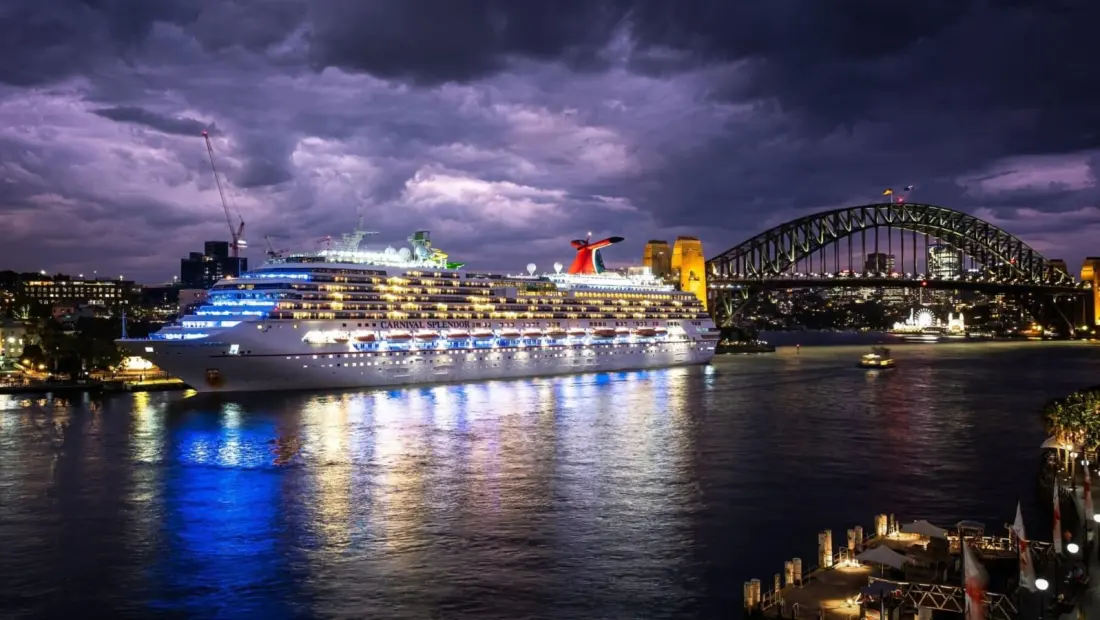
Australia's cruise sector has been handed a two-year extension of its exemption from the country's coastal trading rules, sparing international cruise ships from a licensing regime that the industry argues makes deploying vessels Down Under risky and expensive. The new deadline runs to December 31, 2028, and the federal government says this will be the final extension before permanent reforms replace the temporary arrangement.
The rules in question sit under the Coastal Trading (Revitalising Australian Shipping) Act 2012, which governs commercial passenger and cargo movement between Australian ports. Cruise lines have operated under a rolling exemption for years, but short extensions clash badly with how cruise businesses actually work: ships are allocated to regions and sold to passengers years in advance. Uncertainty over whether an exemption would lapse has made cruise lines' US headquarters nervous about committing tonnage to Australia — a country already seen as a high-cost, heavily regulated market.
Infrastructure and Transport Minister Catherine King framed the decision as backing an industry worth more than AU$7 billion a year, supporting port towns, tourism operators and more than 22,000 jobs. Cruise Lines International Association Australasia welcomed the certainty, with executive director Joel Katz noting the government is simply making explicit obligations that cruise lines already meet.
The catch is a set of new conditions. From January 1, 2027, operators' crew agreements must not restrict collective bargaining, and eligible ships must report crew complaints to the Australian Maritime Safety Authority under the Maritime Labour Convention. The timing is no accident: the Maritime Union of Australia lodged a formal complaint in June alleging Carnival Cruise Line Australia was failing crew members' collective bargaining rights, and the union has pushed for a collective agreement covering pay, days off and onboard union representation. AMSA inspections of Carnival Encounter, Carnival Adventure and Carnival Splendor subsequently found no deficiencies.
Two questions remain open. First, whether the replacement legislation — still undefined, with no timetable — delivers the durable framework the industry wants. Second, whether this actually slows the drift of ships away from Australia, which industry figures blame on rising costs and regulation. For holidaymakers, that matters in a practical way: fewer locally based ships mean fewer departure ports and itineraries, and a greater chance of needing to fly somewhere else to get the sailing you want. The exemption covers eligible cruise vessels calling at Australian ports, with an exception for Victoria–Tasmania services already run by Australian licence holders.
For now, cruisers planning Australian seasons through 2028 can breathe a little easier. The real test comes when the government releases the details of what replaces this deal.