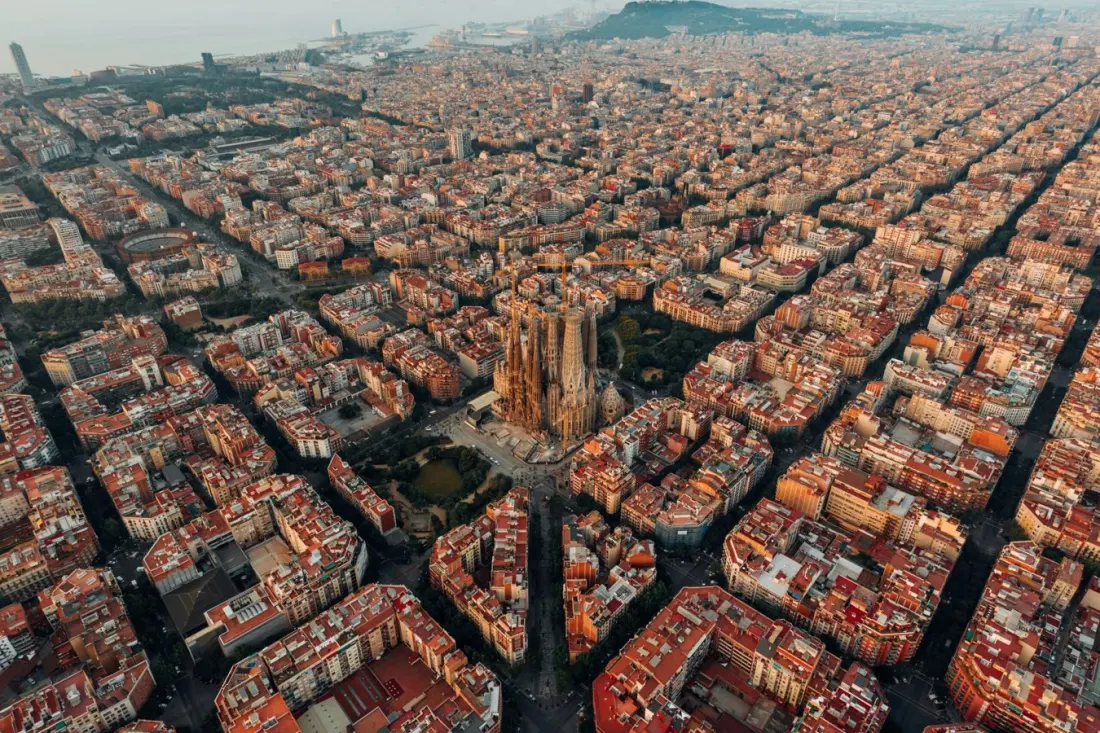
Barcelona has stopped chasing footfall. The city's tourism authorities have unveiled a 'selective tourism' strategy that aims to keep visitor numbers flat — around 15.7 to 16 million a year, the level seen in 2025 — and instead reshape who comes and what they do once they're there.
The numbers explain the urgency. Barcelona welcomes roughly ten times its own population in tourists annually, and Spain overall is forecast to become the world's most visited country by 2040. Resident frustration boiled over in the summers of 2024 and 2025, when anti-tourism protesters famously soaked visitors with water guns.
The new approach has two parts. First, control: the city is phasing out some 10,000 short-term rental licences by 2028 and has doubled its overnight tourist tax. Second, redirection. A revamped platform called This Is Barcelona — the tourism body has dropped its old 'Visit Barcelona' name entirely — uses algorithmic recommendation technology, the same idea behind Netflix suggestions, to point travellers towards exhibitions, concerts, restaurants and neighbourhood events rather than funneling everyone to the same handful of landmarks. The goal is to nudge visitors away from saturated hotspots and towards a longer, more culture-led stay.
'The message of the city now is: not one tourist more,' José Antonio Donaire, Barcelona's commissioner for sustainable tourism, told The New York Times. He described the cap as fixing a ceiling on a curve that would otherwise rise indefinitely. Mateu Hernández, CEO of Barcelona Turisme, put the pitch to visitors more simply: come for a concert, an exhibition or a standout restaurant first, and treat Gaudí and the Gothic Quarter as the add-on rather than the whole trip.
The platform also goes beyond bookings-style recommendations, offering guidance on respectful behaviour and local traditions — a nod to making tourism sit more comfortably alongside daily life in the city.
Why should travellers care? If you're planning a Barcelona trip, expect the official channels to steer you towards food, music and galleries rather than just Sagrada Família queues, and expect tourism to cost a bit more thanks to the doubled tax. It may also mean less crushing crowds at the classic sights if the dispersal strategy works — and a good excuse to build your itinerary around something specific, whether that's a festival, a tasting menu or a gallery show, with the famous landmarks slotted in around it. Barcelona is effectively asking visitors to be a bit more deliberate, and rewarding those who are.