
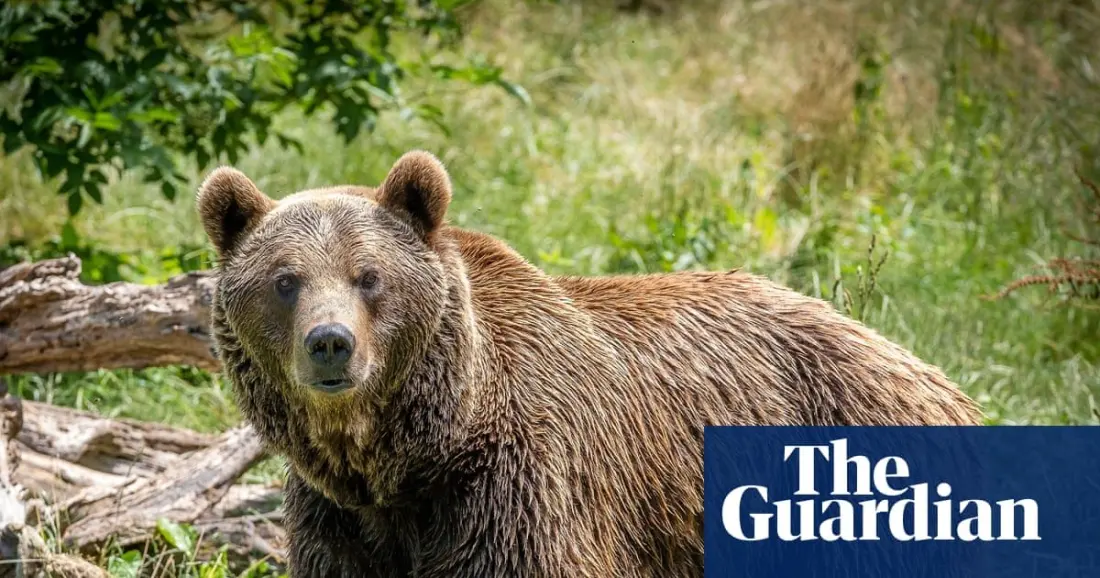
Forty years ago, seeing a brown bear in Asturias was close to hopeless. By the late 1980s, villagers around Pola de Somiedo believed a single family — a three-legged mother, her cubs and a couple of adult males — were the last bears in the area, with roughly 60 animals hanging on across the whole Cantabrian range. Today, guide Luis Frechilla puts the population at possibly 500-plus, though the species stays officially endangered until the count reaches 1,000.
That recovery is exactly what makes Somiedo natural park, one of Spain's earliest protected areas (designated in 1988), such a rewarding place to visit. Within minutes of setting up a spotting scope on a steep pasture, Frechilla had a juvenile bear in view, picking its way along the ridgelines. Sightings happen with licensed guides only — much of the bears' territory is closed to everyone else, which conservationists cite as a model of how to balance tourism with protection.
The bears here aren't grizzlies. Cantabrian brown bears are smaller and lighter, built for climbing at a median altitude around 1,300 metres, and they don't hibernate as deeply as their American cousins. Spring visitors will find freshly woken animals grazing on grasses and flipping rocks for insects; summer brings berries, acorns and chestnuts. Fundación Oso Pardo biologist Alicia Madrid credits a 1973 hunting ban and planted food bio-corridors for the turnaround, though the next challenge is genetic: getting isolated groups to mix and breed.
Even without a bear in the scope, Somiedo earns its 'Green Spain' nickname — dairy country with cowbells, birch and oak woods, and mountain scenery that locals compare to the Alps. Expect cold nights, even the odd summer snowfall. And eat well: Casa Miño in Pola de Somiedo serves the local cachopo (beef fillet stuffed with serrano ham, peppers and goat cheese, roughly the size of a laptop lid), plus fabada, the hearty white bean and pork stew best saved for lunch, if you ask a local.
The dedication pays off. On one evening near Saliencia, a crowd of locals in camping chairs watched a large male lope across a meadow for a river soak — close enough that binoculars were optional. Later, near the La Peral pass, a mother and two cubs climbed a slope called El Diente, silhouetted and play-fighting on the ridgeline as the light faded.
Why go now: bear numbers are strong enough that a sighting is a genuine possibility rather than a lottery win, yet the region still feels local and low-key. Nature tourism is keeping Somiedo's villages economically alive, so your guide fee does double duty. Bear-spotting trips with Frechilla can be booked through Wild Spain Travel. Bring layers, decent binoculars and patience — and prepare for a very substantial dinner.