A quiet corner of the Croatian island of Brač became the scene of an unusual three-day operation in late September, as bomb-disposal specialists hauled Second World War explosives out of one of the island's deep caves.
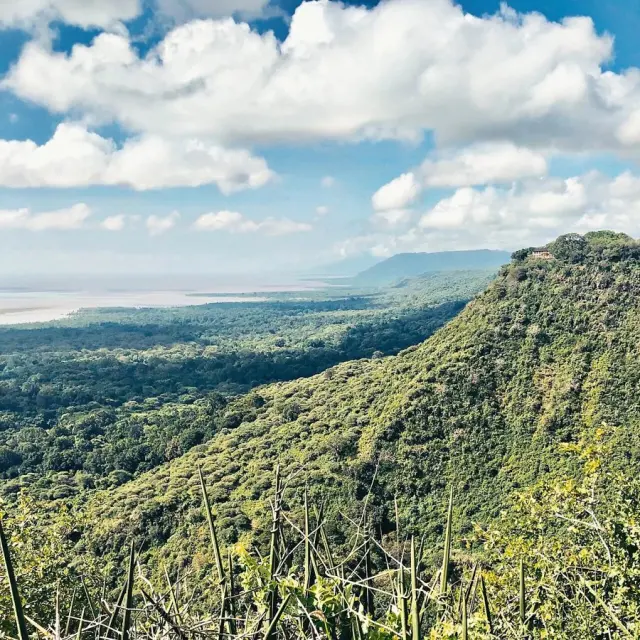
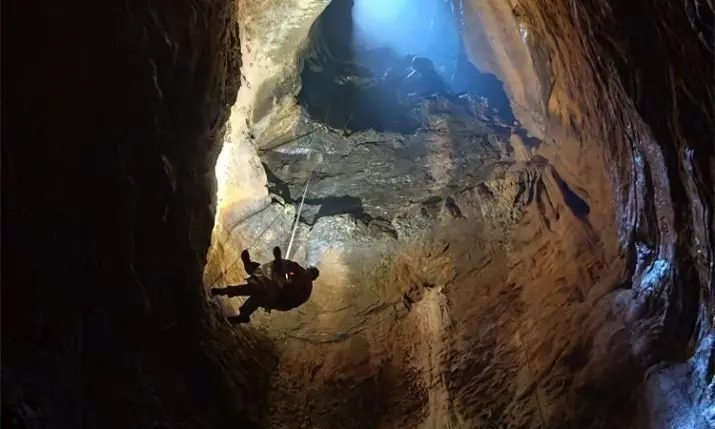
The action took place between 21 and 23 September at Gustrišica cave, roughly 500 metres from the inland village of Gornji Humac on the road towards Selca. Officers from the Interior Ministry's Anti-Explosive Protection Service, joined by regional teams from Zagreb and Split, were lowered into a cave about 200 metres deep, with the Croatian Mountain Rescue Service (HGSS) handling the tricky underground logistics. Local police from Brač kept the area sealed off throughout.
The story began in July, when the Split anti-explosive unit inspected the cave after a tip-off that a stash of unexploded ordnance had been dumped there. In the September operation, specialists brought around 15 devices to the surface. Many had deteriorated too far to move safely — mostly Italian-made Breda hand grenades — so those were destroyed on the spot with controlled detonations inside the cave.
The headline find was a German aerial bomb weighing around 50 kilograms. It had no active fuze, but blowing it up underground risked collapsing the cave, so teams instead winched it out intact. Its destruction is still to come, at a suitable site and in the right weather, mainly because of fire risk.
For travellers, the takeaway is reassuring rather than alarming: Croatia still carries WWII leftovers in remote spots, and the authorities deal with them thoroughly when reported. Brač remains very much open for business — beaches, Zlatni Rat, hilltop villages and all. Just don't go poking around undiscovered caves or old metal objects; if you spot something suspicious, tell the police.
Gornji Humac itself is one of the island's quieter inland villages, a world away from the coast, surrounded by karst terrain that speleologists love. This operation was a reminder of who keeps those caves safe.