Croatia has quietly become one of the Mediterranean's most interesting stretches of coast, and the reason is simple: it refuses to be one thing. Instead of resort strips, the country offers a chain of historic towns, over a thousand islands, and water so clear you can often see the seabed metres down.
The history is the first thing that hits you. Split's old town is built into the walls of Diocletian's Palace, a Roman imperial residence that's nearly two thousand years old and still functions as the city centre. Dubrovnik and Trogir are similarly layered, with Venetian and medieval stone lanes, harbours, and churches still doing daily life rather than posing for photos.
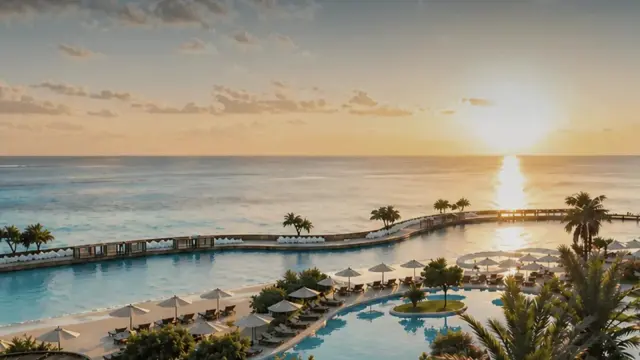
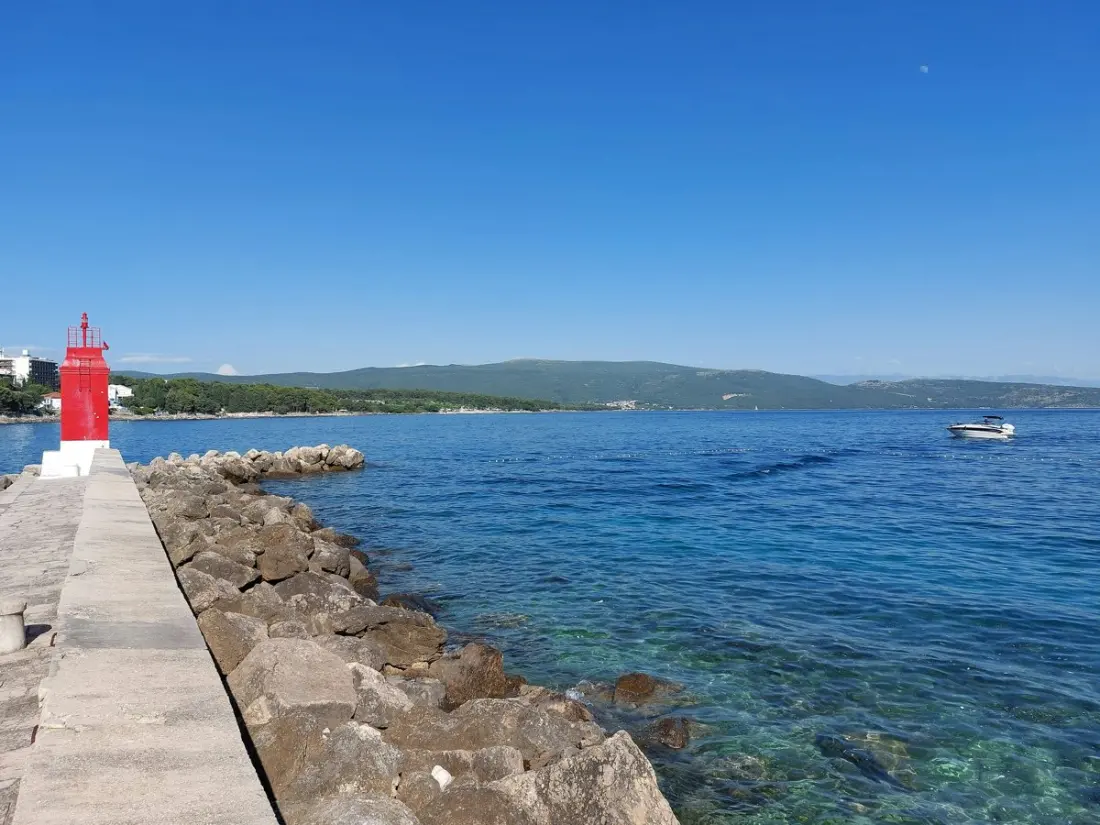
Then there's the swimming. The Adriatic along Croatia is known for its transparency and deep blue tone, and the coastline is dotted with rocky coves and pebble beaches, so you're rarely far from a spot to jump in. Lively town beaches and quiet isolated bays both exist in decent supply.
The islands are where the coast really opens up. Hvar draws crowds with its handsome harbour and nightlife, while Vis and Lastovo stay slow, traditional, and sparsely populated. Across the archipelago you'll find vineyards, olive groves, and fishing villages that feel a step removed from the mainland.
Food follows the sea. Expect simply grilled fish, octopus salad, and black risotto, dressed with local olive oil and washed down with small-production Dalmatian wines, ideally at a harbour-side table as the boats come back in.
With so many islands clustered close together, the smart way to see the coast is by boat. Ferries link the main towns, but sailing trips open up smaller bays and villages you can't reach by road. Traditional wooden gulets are a popular option, giving small groups a private-charter feel without needing sailing experience. Viewing the coast from the water also changes the perspective — hidden coves and clifflines that are invisible from the coastal highway become the main event.
What makes Croatia work for a holiday is the rhythm it allows: a morning swim in an empty bay, an afternoon wandering an old town, dinner on a waterfront terrace. Popularity has grown, but outside peak summer much of the coast — especially the smaller islands — keeps a genuinely local feel. If you want a Mediterranean trip where moving between places is half the pleasure, this is the coastline to do it on.