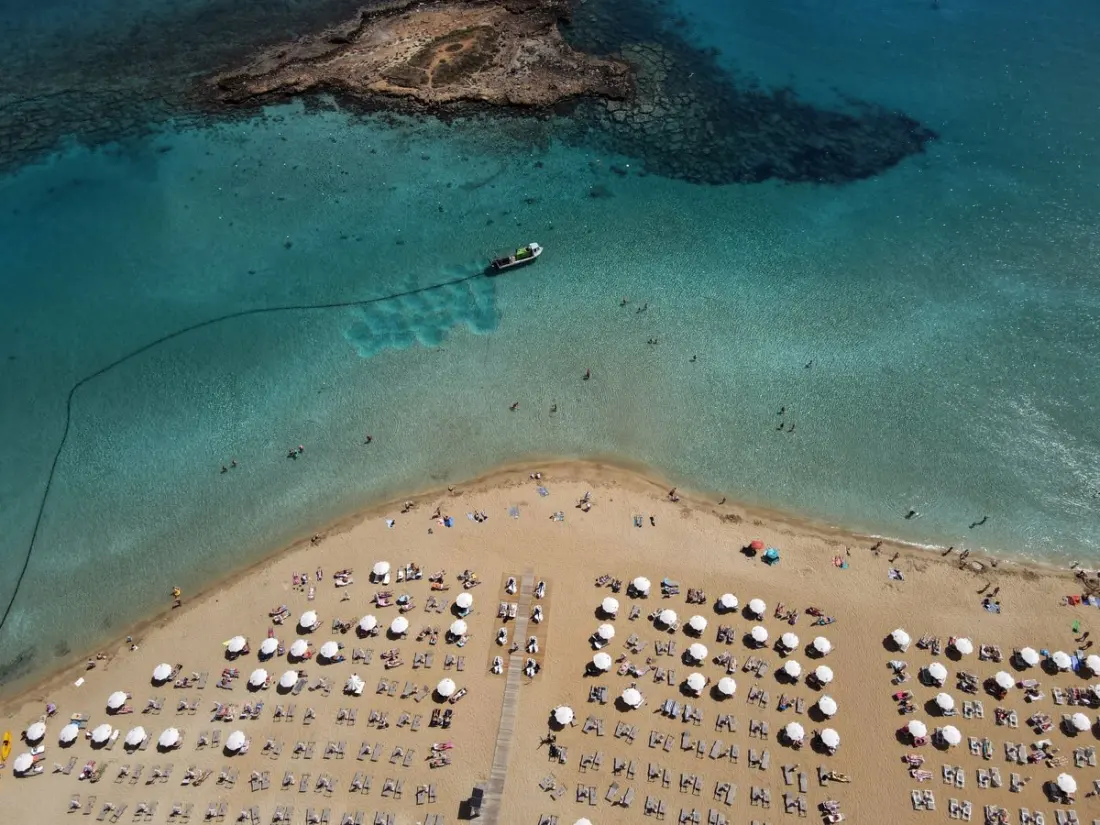
Cyprus packs more variety into one island than most countries manage in a region. You get Blue Flag beaches with genuinely clear water, a UNESCO-listed archaeological park, mountain villages where time moves slower, and cities with real nightlife — all reachable within a couple of hours' drive of each other. Over 300 days of sunshine a year helps too.
The geography of your holiday matters more than you'd think. The east coast is the classic beach zone: Ayia Napa brings the parties and beach clubs, while nearby Protaras is the calmer, family-friendly version, home to Fig Tree Bay and Konnos Bay. Limassol sits in the middle ground — a marina, good restaurants, festivals and wine celebrations, with nightlife that's lively but less frenetic than Ayia Napa's.
For history, head west or stay central. Paphos is a UNESCO World Heritage site with ancient mosaics and ruins right by the sea, plus some of the island's best sunsets. Nicosia, the capital, is a walkable old city wrapped in Venetian walls, with museums and a food-and-shopping scene that reflects the island's layered Greek, Turkish and Middle Eastern influences. And if beaches all day sounds like too much sun, the Troodos Mountains offer wineries, monasteries, hiking trails and cooler air — plus the occasional chance to ski in winter, which surprises most visitors.
Timing shapes the trip. May, June, September and October are widely considered the sweet spot: warm sea, comfortable temperatures and fewer crowds than the June-to-August peak, when beachfront hotels fill up fast and prices climb. Spring turns the island green with wildflowers, and winter is mild enough for sightseeing without queues. A week is the ideal length to mix beaches, ruins and mountain day trips, though a Paphos or Limassol city break works in a long weekend.
Food deserves its own planning. Meze platters — an endless procession of small dishes — are the social centrepiece of a taverna dinner, alongside grilled halloumi, souvlaki, fresh seafood and slow-cooked kleftiko lamb. Save room for loukoumades, honey-soaked doughnuts, and try the local wine; the Troodos region's wineries make a good excuse for a drive.
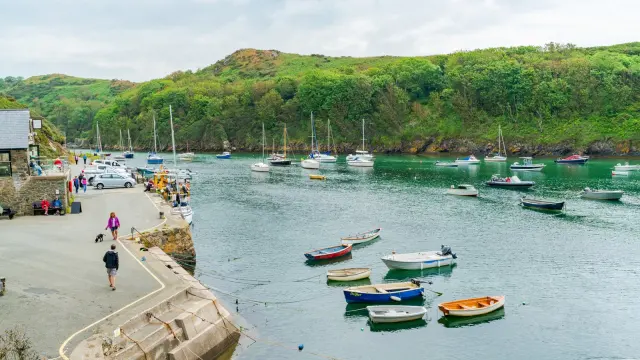
Practicalities are easy. The Republic of Cyprus uses the euro, English is widely spoken, tap water is safe, and the island ranks among Europe's safer destinations. Renting a car is the single best upgrade to a Cyprus trip — driving is on the left, roads are well maintained, and public transport thins out quickly outside the cities. Book accommodation early for summer stays, and consider boutique guesthouses in the mountains or agrotourism stays for a quieter, more local alternative to the resorts.
Who's it for? Families get safe, shallow beaches and resorts built around them; couples can pair coastal luxury with village retreats; hikers, divers and cyclists get proper terrain; and anyone who likes eating well will not struggle. Even travellers who avoid package-holiday destinations tend to come around once they've driven into the Troodos or wandered Nicosia's old streets. The side of the island you pick just decides the flavour of the trip — east for sun and socialising, west and centre for history and scenery.