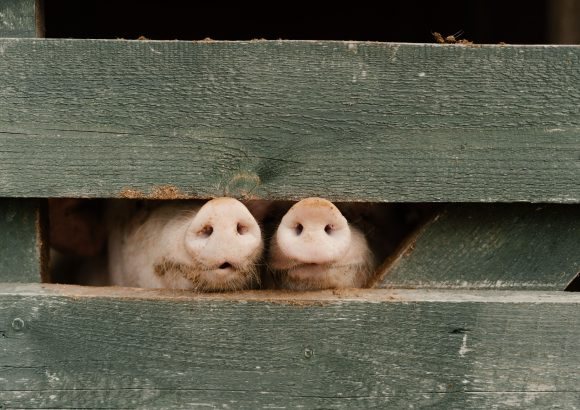
Pig farmers in the Dominican Republic are asking their government to rein in pork imports, claiming the volumes arriving from abroad no longer match what the country actually needs. Julián Abud Martínez, who heads the Dominican Republic Association of Pig Producers, says local farms already cover about 70% of national demand and that imports should be capped at the 30-35% that domestic production genuinely can't supply.
The argument, made from Santo Domingo, is straightforward: as local output has grown, the gap imports are supposed to fill has shrunk, so import permits should shrink too. The association wants a better balance between what's raised in the country and what's brought in, and says it will meet soon to decide its next moves. Dialogue with the government is on the table - but so are protests if producers feel ignored.
There's a broader economic story here. Pig farming is woven through rural life in the Dominican Republic, and Abud Martínez points out that the sector sustains breeders, farmers, transporters, slaughterhouses, butchers and small merchants, plus jobs and income for plenty of young people in the countryside. When imports rise, the hit is felt far beyond the farms themselves.
Why should a traveller care? Pork is everywhere in Dominican food culture - think roasted pork (cerdo asado), chicharrón, and the pork element in la bandera, the classic rice, beans and meat plate. It's also central to festive fare at Christmas and New Year, when families across the island roast whole pigs. Whether the meat on your plate comes from a farm near Puerto Plata or a shipment from overseas matters to local jobs, rural incomes and arguably the quality and freshness of what you're served. If restrictions on imports come through, resort and restaurant menus will lean more heavily on Dominican-raised pork, which could be a win for freshness and for the communities you're visiting.
For now, this is an industry stand-off rather than a food safety issue, and the association says it wants negotiation before escalation. But if you're travelling in the Dominican Republic in the coming months, keep an ear out - local news could report road blockades or farmer mobilizations, which occasionally disrupt travel between cities. And if you get the chance, ordering a plate of locally sourced chicharrón at a roadside spot is one of the more delicious ways to back the people making the case.