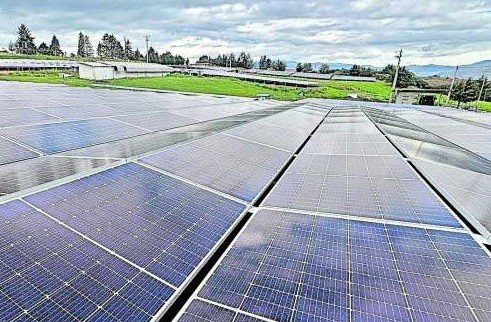
From 6 October, anyone in Ecuador buying equipment that generates or stores electricity — solar panels, batteries, backup generators — will pay no VAT, no import duties and no foreign-exchange exit tax (ISD) on it. President Daniel Noboa framed the exemptions as an open invitation to investors large and small to build generation capacity, and noted ordinary households can get in on it too, even selling surplus power back to the government. His team is also promising a faster approval process for private power projects.
Why the urgency? Ecuador's grid is under real strain. The country's Central Bank reported that its international risk premium jumped 21.31 points in a single day, with bankers pointing to rising import costs, growing debt, the prospect of electricity blackouts and the approaching El Niño. Chase Bank economist Charles Morrison was blunt: El Niño is expected to cut exports, push up domestic costs and threaten power supply, and he argued the government has done little to upgrade the system since the widespread blackouts of 2024. He expects substantial repair and reconstruction bills once the weather system hits.
El Niño is already reshaping the political calendar. The National Electoral Council moved the sectional elections forward to 29 November — from February 2027 — hoping to beat the worst of the weather, but CNE president José Cabrera says the system now appears to be arriving early, so a second postponement is on the table. The council is buying high-capacity batteries so voting stations can keep running through outages, and may relocate polling places in flood-prone areas.
There's also movement on rentals. Ecuador's National Assembly is debating the first overhaul of the Tenancy Law in two decades. Proposed changes cover clearer rules on deposits and their repayment, formal written (or electronic) contracts registered with municipalities, defined repair obligations for both sides, penalties for non-compliance, and a ban on the 'fake name' contracts some landlords and tenants use. The rental market has grown fast: rentals went from 820,000 to 1.08 million homes between 2010 and 2025, and 36 in 100 households now rent.
For travellers and especially long-stay visitors and expats in Ecuador, this cluster of stories adds up to one message: prepare for disruption. Backup power for accommodation is about to get cheaper and easier to install, the November–February window carries elevated weather and blackout risk, and if you're renting, the rules around deposits and contracts may soon get clearer. If you have a trip booked for late November, keep an eye on whether the election date shifts again.