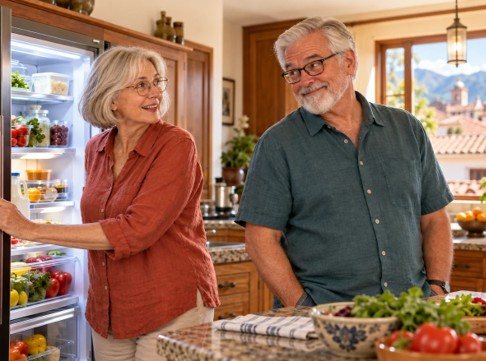
A humorous column from Cuenca, Ecuador has struck a chord with anyone who has moved abroad and assumed things would simply work out. The story follows Tom and Elaine, a Canadian couple living in the southern Andean city, whose casual morning chat about a possible blackout turns into a full audit of how unprepared they really are.
It starts innocently. Elaine asks how long the food will last if the electricity fails. Tom, pleased with himself, answers that it depends on how often the fridge is opened. But Elaine keeps going: what about the internet, the router, the coffee grinder? Tom had been thinking of electricity as something that lights rooms. Elaine points out it also delivers his news, connects him to family and grinds his morning beans. Suddenly a power cut looks less like a minor inconvenience and more like a genuine problem.
Then comes the second layer of the comedy. Tom asks where their insurance documents are. They're on Elaine's computer — the password for which lives on Tom's. The couple realises their 'system' for important paperwork depends entirely on both of them being present and functional. Between Elaine's folders labelled 'Important' and 'Important New' and Tom's vague password scheme, they conclude that together they may have almost one working system.
Seeking advice, Tom consults friends. Robert, it turns out, has solved the problem by buying multiple backup batteries and a heroic quantity of cables, giving him plenty of options — mostly for tripping over things. At the bakery, Carlos offers the sharpest line of the piece: before buying anything, find out what you actually need. It's simple, but it reframes everything.
So Tom and Elaine sit down with a notebook and map out an ordinary day — morning coffee, medication, phone calls, documents on the computer. The list of things that quietly depend on electricity and organisation turns out to be long. They also discover a gap in their social preparedness: knowing people in Cuenca is not the same as knowing who to call when something goes wrong. They write down real numbers, agree on who could help whom, and keep the list short and useful. In the end, the shopping haul is modest — a flashlight, one sensible power bank, printed copies of key information — plus, in Tom's case, a jar of instant coffee as his personal line-in-the-sand concession to adversity.
Why should a traveller care? Because this is the reality check behind the dream of retiring or long-staying somewhere like Cuenca. Beautiful colonial streets and spring-like weather are only half the picture. The useful question isn't 'what gear do I buy?' but 'what does an ordinary bad week look like here, and who would I actually call?' That's worth asking before any big move abroad — and honestly, before most holidays too.
The piece is a gentle, funny read with a genuinely practical takeaway: map your dependencies, share the passwords, copy the documents, and know your neighbours before the lights go out.