Costa Rica's Pacific northwest usually greets the rainy season with downpours and a landscape that greens up within weeks. Not this year. A strong El Niño has made this the driest rainy season in memory for Guanacaste, and a biologist working there says the effects are visible everywhere — from empty rivers to a family morning routine built around whatever water happens to come out of the tap.
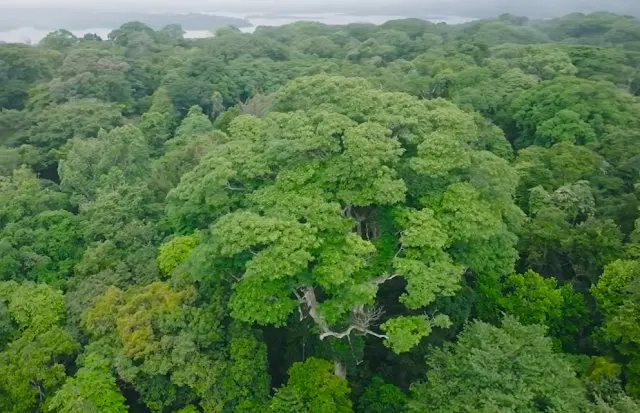
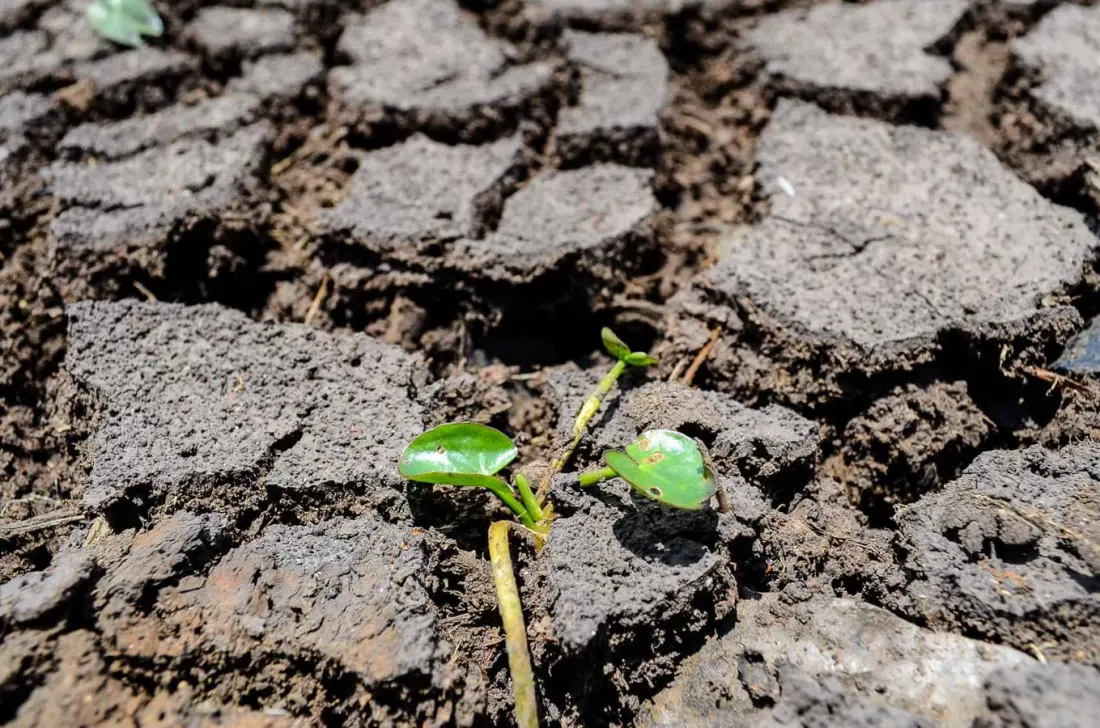
Vincent Losasso, who runs Guanacaste Wildlife Monitoring and sets camera traps across private properties in the region, describes driving through hills that should be lush jungle and finding instead the pale greens and browns of dry season — months early. Rivers that normally flow are gravel beds. Cattle ponds that should hold fish, crocodiles and waterbirds have shrunk to cracked mud. The pockets of water that remain have become wildlife magnets, which makes his camera-trap work oddly easy right now: point a camera at the last surviving waterhole and animals will come. The worry is what happens next. If the rainy season doesn't refill the natural reservoirs, the coming dry season will hit a landscape with nothing in reserve.
The shortage isn't just an ecology story. Losasso's small coastal town is rationing water on an unpredictable schedule, and homes without backup storage tanks — including his rental — simply go dry when the town supply cuts out. His family's morning reads like a logistics puzzle: judging by weak flow that laundry will have to wait, squeezing in cold showers before the pipes whistle and stop (their electric showerhead heater trips the breaker at low pressure), and resorting to a bowl-and-cup wash heated on the stove when the gas runs out. Everyone got to work and school clean, but only by adapting — much like the wildlife around them.
For travellers, this matters in a few practical ways. Guanacaste is one of Costa Rica's most visited regions, home to beach towns like Tamarindo and Playas del Coco and the dry forests around Liberia. Visitors in the coming months may find browner, dustier scenery than the postcard version, occasional water cuts at hotels and rentals, and pressure on a region whose tourism depends heavily on its natural appeal. Booking accommodation with its own water storage or a well is worth asking about. It's also a reminder to travel lightly on water in the area — short showers and reusing towels genuinely help towns where residents are rationing.
There's a silver lining for wildlife watchers: concentrated water sources mean animals gather in predictable spots, so guided tours near remaining rivers and ponds may actually deliver better sightings than usual. But the bigger picture is sobering. A failed rainy season in a dry tropical forest ripples through everything — howler monkeys, crocodiles, cattle, and the families and businesses that share the same supply. If you're heading to Guanacaste this season, go knowing the region is running on empty, and plan accordingly.
Story via The Tico Times.