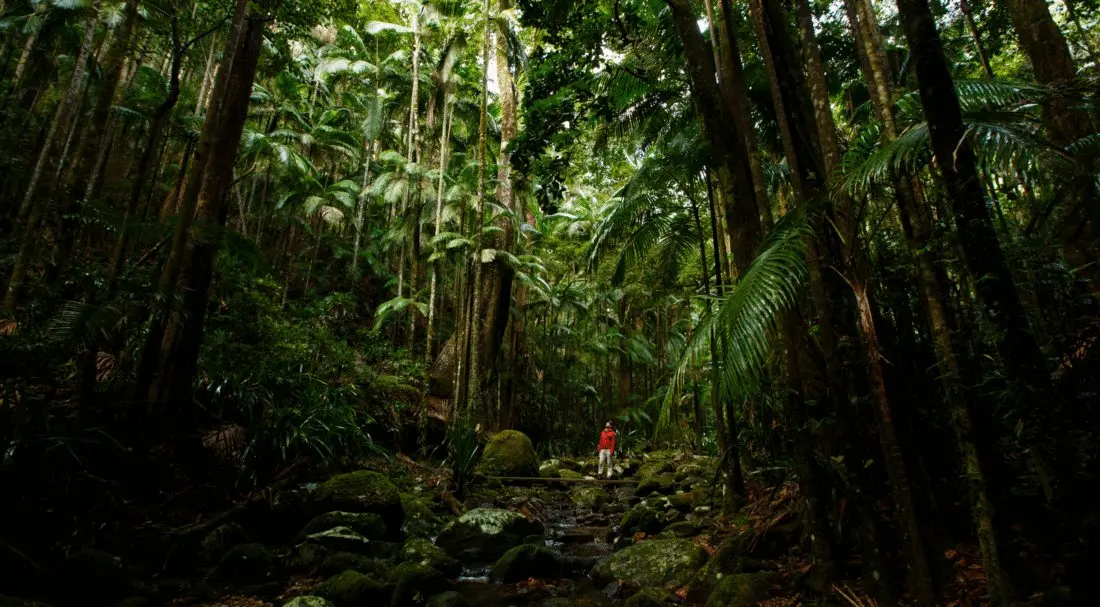
Somewhere in Tasmania right now, the Franklin River is running wild through old-growth forest — and it very nearly isn't. In the 1970s and 80s, a hydro-electric dam proposal threatened to flood the river and the wilderness around it. The campaign that stopped it became one of Australia's defining environmental battles, and it also gave birth to The Wilderness Society, which turns 50 in 2025.
Wild Magazine's editor Chris Andrews reflects on that milestone in his autumn column, and his point is aimed squarely at people who paddle, hike and climb but have never joined a cause: Australia's national parks didn't just appear. Almost all of them exist because someone, somewhere, spent years fighting for them — writing letters, organising protests, and in the Franklin's case physically blockading machinery.
The best part of the story is the origin tale. Bob Brown, who would become the face of the campaign and later Australian politics, told the editor that before rafting the Franklin in 1976 — as one of the first two people to run it in a modern inflatable raft, alongside Paul Smith — his experience in environmental activism was "none, zero, zilch". He saw the river's beauty, understood what a dam would erase, and the meetings that formed The Wilderness Society followed. It was never one man's effort, though. Tens or hundreds of thousands of people put their shoulders to it, from full-time blockaders to city marchers to ordinary letter-writers, and together they saved a river that is now a pillar of Tasmanian wilderness tourism and rafting culture.
Why does this matter to a traveller? Because the wild places you plan trips around — the Franklin, the crags, the forest walks — are not a given. Ecosystems have intrinsic value whether or not they offer us clean air, water or a weekend playground, and they stay protected only as long as people keep caring for them. The editor's ask is refreshingly modest: you don't need to chain yourself to a bulldozer. Join a conservation group, donate, sign a petition, or spend a day pulling weeds and repairing trails in a park you love. Even small contributions keep the place intact for whoever comes after you.
For anyone who has rafted the Franklin, dreamt about it, or simply hiked through a park and assumed it would always be there, this is a timely read about how fragile that assumption is — and how much of the outdoors we enjoy today was once an active construction site or a flooded valley in waiting.