
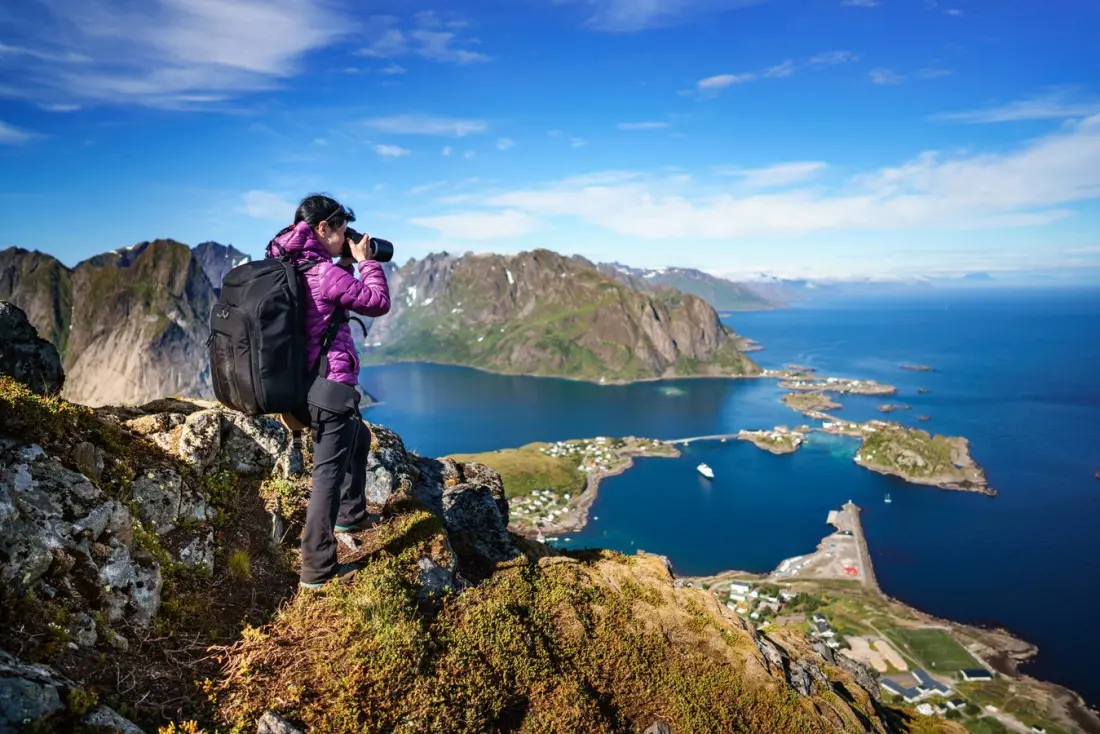
A photo can capture a mountain view or a perfect plate of pasta, but it can't hold the conversation you had with the shopkeeper next door or the wrong bus that turned into the best hour of your day. A recent guide on trip documentation argues that the real memories — names, routes, funny moments, small surprises — fade within weeks unless you capture them another way. The good news: it takes minutes, not hours.
The first suggestion is a short daily journal, and the emphasis is on short. Ten minutes before bed is enough. Jot down the best part of the day, one place you'd recommend to a friend, and one thing a photo simply can't explain. Digital notes work well on the move — a few typed lines while waiting for a train adds up fast, and dates stop a long trip from blurring into one continuous memory.
For days too packed for writing, voice notes fill the gap. A thirty-second recording made right after leaving a museum, market or viewpoint — what surprised you, a sound you heard, something someone said — saves details that would otherwise vanish by evening. Timing matters: do it while the impression is fresh, not at the end of a long day.
Physical keepsakes are the third tool. Stash a small envelope in your bag and drop in train tickets from scenic routes, receipts from standout meals, museum entries, the creased local map you actually used, festival passes. Write the date and place on each one. Years later, these scraps tell you things your camera never recorded.
Fourth, build a personal map. Save restaurants, viewpoints, markets and hotels in Google Maps as you go, with a one-line note at each: what you ordered, why you stopped. Mark the disappointments too — they'll save you on a return trip. The result doubles as a memory and a ready-made recommendation list when friends ask for tips.
Finally, write down the people. A few lines after an interesting conversation — where you met, what you learned, what made it stick — can resurrect an entire day. Keep private details out of it; focus on the exchange, whether it was a local explaining a tradition or a stranger pointing you to the right platform.
None of this requires recording every minute. The idea is to pick the moments photos can't explain and give them a home — a journal, a voice memo, a ticket stub, a pinned map, a story. Do that consistently and you come home with actual narratives instead of a camera roll you scroll through once. If you plan to publish your notes as a blog, running them through a grammar checker first keeps the storytelling clean without much effort.
Who is this for? Pretty much every traveller, but it's especially useful on long multi-stop trips where days blur, and for anyone who's ever returned home and realised they've already forgotten half of what happened. It costs nothing, needs no gear beyond your phone, and turns trip planning, note-taking and reminiscing into one continuous habit.