The Lika region — the sparsely populated karst plateau most travellers simply drive across on the way to Plitvice Lakes or the Adriatic — is at the centre of a growing environmental scandal that locals fear could stretch far beyond one illegal dump.
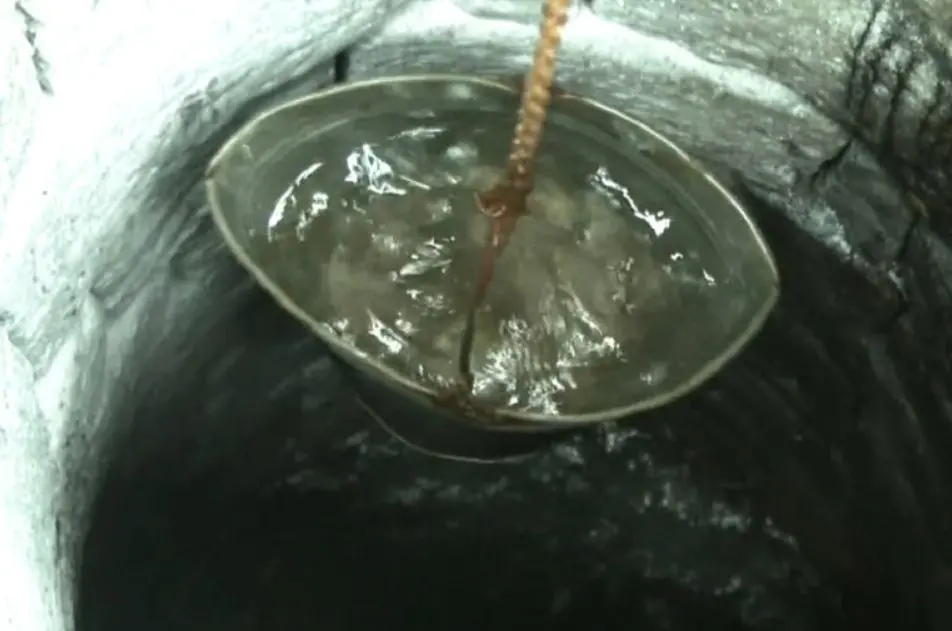
Around 37,000 tonnes of mixed waste were dumped at the former PPK Velebit complex in Gospić, and Croatia's anti-corruption office USKOK is now investigating several people on suspicion of environmental and economic crimes. The latest blow came when the Croatian Institute of Public Health (HZJZ) published results from extraordinary sampling of 43 private water facilities in the area — 38 wells, three cisterns and two springs. PFAS, the persistent "forever chemicals", turned up in two wells near the Bilajska Street dump in the Krpani settlement. In one, the combined PFAS level hit 0.3018 micrograms per litre, more than triple the permitted maximum of 0.1.
For Krpani residents, many of whom run family farms and have relied on wells and springs for years, the question is painfully simple: are we infected? Locals told HRT they worry the contamination is already moving through groundwater connected to local watercourses, and farmers fear for their livestock — and for the market for Lika lamb, calves and potatoes, even though no contamination of animals or food has actually been shown. HZJZ tested 32 food samples from 13 locations within a kilometre of the dump; seven tested for PFAS came back below the limit of quantification.
There is reassurance for anyone passing through: the affected wells are private and not used for drinking, residents are on the public supply, and 93 samples from the public water system across Lika-Senj County and Pag analysed by 16 September all came back safe. But ecotoxicologist Branimir K. Hackenberger cautioned that the chemical fingerprints in the polluted wells differ, suggesting more than one source of contamination, and he is pressing for a full hydrogeological investigation. A citizens' group, Gospić is Our Home, says the planned temporary covering of the waste won't stop groundwater spread — a serious concern in porous karst terrain, where water moves unpredictably underground.
Why should a traveller care? Lika is the gateway to Plitvice Lakes and a growing destination for rural tourism, farm stays and local food. The public water supply is currently declared safe, so visits are unaffected on the face of it — but the story is a reminder of how fragile karst water systems are, and the eventual findings could shape how the region markets its farm produce and springs. For now, the practical takeaway is routine: drink tap water from the public supply, and anyone staying on a farm in the Krpani area might reasonably ask hosts about their water source. The bigger question — how far the pollution has spread through Lika's underground — remains open, and locals won't rest until it's answered.
Total Croatia