
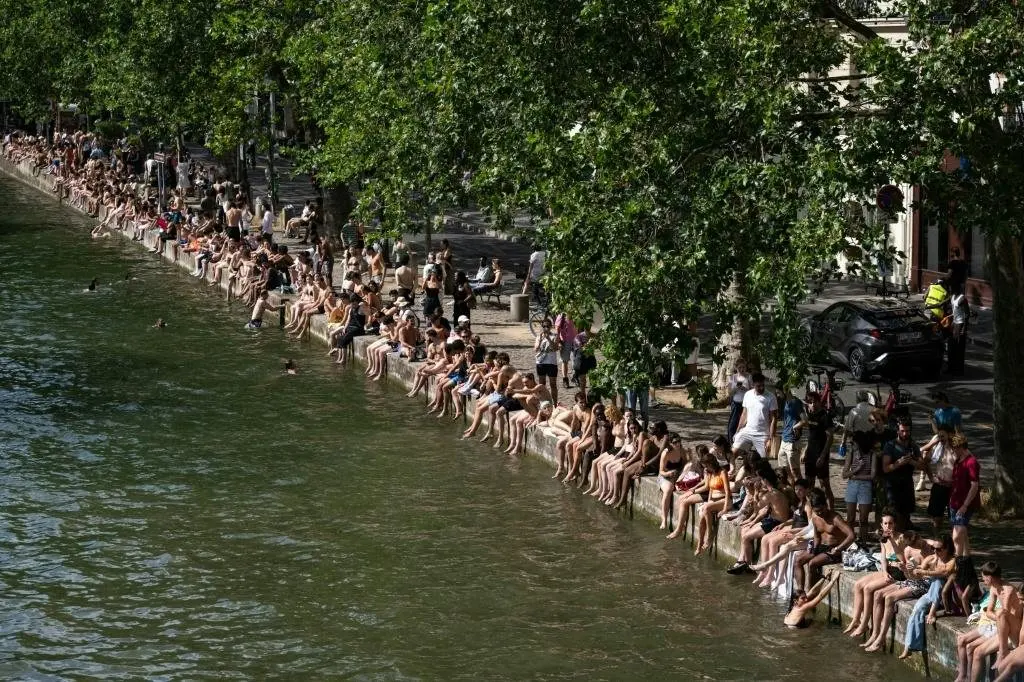
France has just come through its hottest summer since 1900, and the human cost is now clear: the country's public health authority reports 7,919 excess deaths between late May and August 20, with final figures not expected until early next year.
The number already overshadows last summer, when 5,722 heat-linked excess deaths were recorded between June and mid-September. The deadliest stretch ran from June 17 to July 2, killing in earnest before the school holidays even began — a detail health officials flagged as significant, since normal work and city life meant more people were exposed. Further waves followed: 1,243 excess deaths from July 3 to 20 and another 817 from July 27 to August 20, plus a small early spike in late May.
Guillaume Boulanger, who heads the living and working environments unit at the public health agency, described the season as unprecedented, with heatwave episodes arriving almost back to back. France's weather service ranks 2026 above both the notorious 2003 summer — which killed around 15,000 people, many of them elderly relatives left alone while the country holidayed — and the severe heat of 2022.
The deaths clustered among older people, with a marked rise just after the very hottest days of mid-August. Officials point to a familiar structural problem: much of France's housing and infrastructure was never designed for sustained extreme heat. The authority expects to finish collecting data by the end of October.
Why does this matter to travellers? Because a heatwave that kills thousands also reshapes what a summer trip to France actually feels like. August museum queues, un-air-conditioned hotels, and long city walks take on a different edge when daytime records are being broken across the country. Anyone planning a June-to-August visit — especially older travellers or those with young children — should treat heat as a real planning factor now, not a footnote: book accommodation with cooling, shift sightseeing to mornings and evenings, and build in flexibility during peak heat days. The silver lining for flexible travellers is that shoulder season visits in spring and autumn look increasingly attractive, with the same cities and countryside far more comfortable to explore.
Climate scientists note that the burning of fossil fuels is raising both the frequency and intensity of these events, so the pattern that defined this French summer is unlikely to be a one-off. Travellers who love France in high summer may need to rethink the calendar altogether.