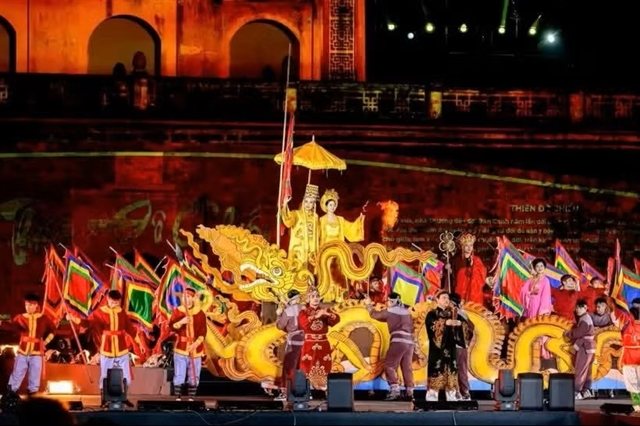
Vietnam just hosted the Asia-Pacific Dialogue on Heritage and Authenticity, with sessions in Hanoi and Ninh Binh province from September 27 to October 1. The timing is no accident: 2025 marks 50 years of cooperation between Vietnam and UNESCO, and officials framed the event as proof the partnership works.
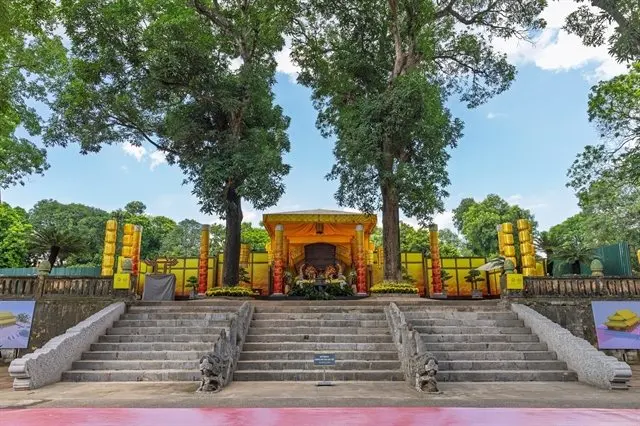
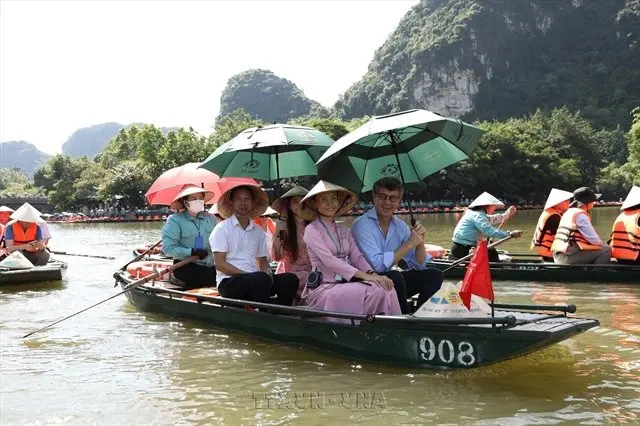
The country co-hosted at the request of the UNESCO World Heritage Centre, which regards Vietnam as a model state for working with UNESCO and its advisory bodies on conservation. The standout example is the Thang Long Imperial Citadel in Hanoi, where Vietnam has won international backing for tricky development and reconstruction work inside the site's protected core zone. Delegates toured both the citadel and the Trang An Landscape Complex in Ninh Binh — designated a mixed World Cultural and Natural Heritage Site in 2014, the first and still only one of its kind in Southeast Asia.
The dialogue produced the Hanoi Document on Heritage and Authenticity, pooling experiences from across the Asia-Pacific and expected to serve as a reference point for heritage work worldwide. Vietnam also promoted its own proposal: an International Decade of Culture for Sustainable Development running 2027–2036.
Why does this matter to travellers? Vietnam now holds nine World Heritage sites and sits on the World Heritage Committee for the 2023–2027 term, and officials are explicit about turning heritage into a driver of economic growth and local livelihoods. In practice, that means the places you visit — from the imperial citadel in Hanoi to the limestone karst scenery of Ninh Binh, where the 'Kong: Skull Island' film set recently drew visitors before being removed — are getting sustained investment in conservation and visitor infrastructure. The country is tying cultural policy directly to sustainable development, which should mean better-managed sites and communities that genuinely benefit from tourism.
Ninh Binh makes an easy add-on to any Hanoi trip: a couple of hours south, with boat rides through Trang An's caves and pagoda-dotted hills. If you want to see what all the UNESCO fuss is about, Vietnam offers one of the densest collections of heritage sites in the region, and this week of diplomacy underlined how seriously it takes them.