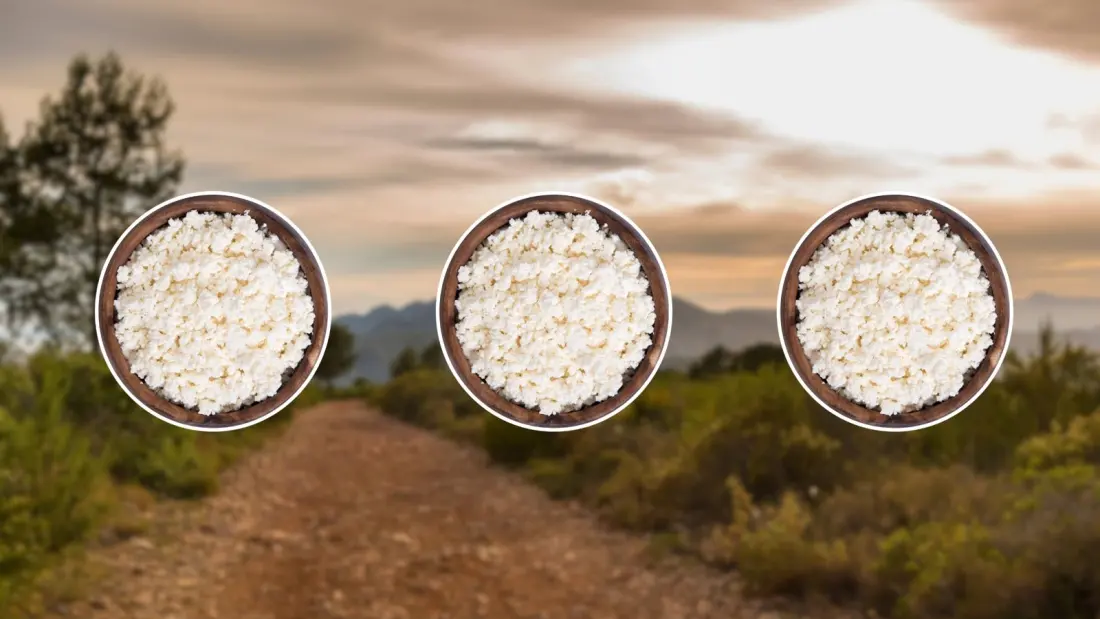
Cottage cheese chips are all over social media right now — baked lumps of seasoned cottage cheese that turn crisp in the oven. But can a TikTok snack actually fuel a day on the trail? Outside put the question to Johannah Katz, a registered dietitian specializing in performance nutrition, who tested three cottage cheese-based recipes for hiking. Her verdict: the protein is great for satiety and muscle recovery, but on its own it's not enough. You need carbohydrates alongside it, especially for longer or harder hikes.
The savory pick is the trending cottage cheese chip itself, a two-ingredient affair — cottage cheese plus salt, pepper, or everything bagel seasoning, baked at 350°F for about 40 minutes. Katz calls it the most protein-forward option, but warns it won't carry you far alone. Her fix: pair the chips with fruit like bananas, apples, or blueberries to round out the energy.
For something sweeter, blueberry cottage cheese bars from Eating with Zion combine eggs, cottage cheese, avocado oil, maple syrup, vanilla, flour, and fresh blueberries, baked for around 25 minutes. Each of the ten bars delivers roughly 11 grams of carbs, and the blueberries add fiber, vitamins, and anthocyanins — plant compounds linked to lower blood pressure and reduced inflammation after hard effort. Since casual hiking burns through about 30 to 50 grams of carbs per hour, two bars plus a banana (about 27 grams of carbs) puts you in the right zone.
The standout, though, is the peanut butter cottage cheese ball from Bored of Lunch: blended cottage cheese, honey, ground oats, protein powder, and peanut butter, rolled into balls, chilled, then dipped in melted chocolate with flaky salt. Each ball packs about 11 grams of protein at 237 calories, and Katz rates it the most complete option — oats for carbs and fiber, peanut butter for calorie-dense fat, honey for a quick hit of energy. One caveat: fat and fiber digest slowly, so if you're prone to stomach trouble on the move, don't eat a big serving right before setting off.
There's also a food-safety angle that's easy to forget on a warm day. The USDA says perishable food shouldn't sit above 40°F for more than two hours — just one hour if it's over 90°F outside. Katz recommends an insulated container with a frozen ice pack, though on a short hike of two hours or less in mild weather, a pocket is probably fine.
Why should a traveller care? Because trail food is expensive, single-use, and often disappointing, and all three of these come together from a handful of cheap supermarket ingredients before you leave. They're also genuinely portable — bars and balls survive a rucksack far better than a squashed sandwich. Whether you're planning a day hike in the hills or a longer trek, making your own fuel means you know exactly what's going into it, and the macros here are better thought-out than most energy bars on the shelf. Worth an evening in the kitchen before your next trip.