Helsinki has just been crowned the world's most sustainable tourist destination for the third year in a row, and the timing couldn't be better for Australian travellers: Finnair starts a daily Melbourne-to-Helsinki service on 25 October 2026, routed via Bangkok.
The Global Destination Sustainability (GDS) Index scored the Finnish capital 93 per cent across more than 70 indicators — environmental performance, supply chains, destination management and social sustainability — against over 100 committed cities worldwide. Helsinki beat Gothenburg, Copenhagen, Aarhus and Aalborg to the top spot. Glasgow came sixth, Sydney seventh, with Belfast, Montreal and Reykjavik completing the top 10.
These aren't vague green vibes, either. Nearly all of Helsinki's larger hotels — 98 per cent of those with more than 50 rooms — hold environmental certification, against a European average of around 10 per cent. That matters more than it used to: the EU's new Empowering Consumers Directive now bans generic green claims that can't be backed by verifiable data, so a destination with audited credentials stands out from the marketing noise. City tourism director Nina Vesterinen framed the win as proof of a long-term strategy rather than a one-off, with the city pushing year-round availability and longer visitor stays.
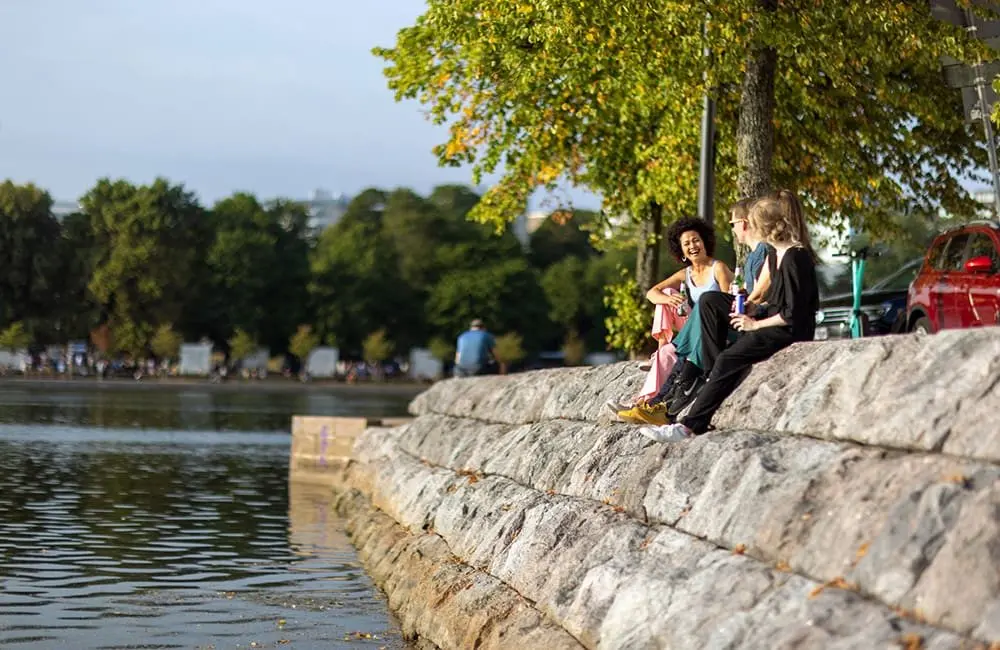
There's a wellbeing hook, too. Finland has topped the World Happiness Report for nine straight years, which pairs neatly with Helsinki's design-led streets, sauna culture and easy access to nature.
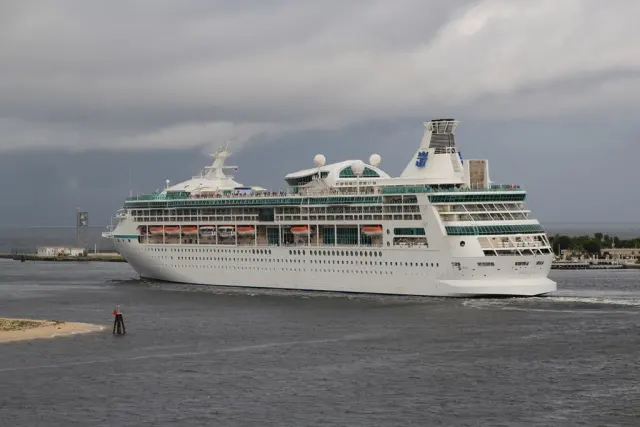
For travellers, the new route opens up a few different trips in one. Late October is prime time for the northern winter: aurora season, snow, Christmas markets and the long cosy darkness the Finns do so well. Helsinki works as a standalone city break of a few days, or as a springboard — Finnish Lapland for the Northern Lights, the other Nordic capitals by short hop, or onward connections through Finnair's hub to the rest of Europe. Cruise fans can also pair the city with Baltic sailings.
It's a genuinely useful alternative gateway for Australians heading to Northern Europe, where options have traditionally funnelled through the bigger hubs. And if you care where your tourist dollars land, a city that keeps topping an independently measured sustainability index is a reasonable place to spend them.