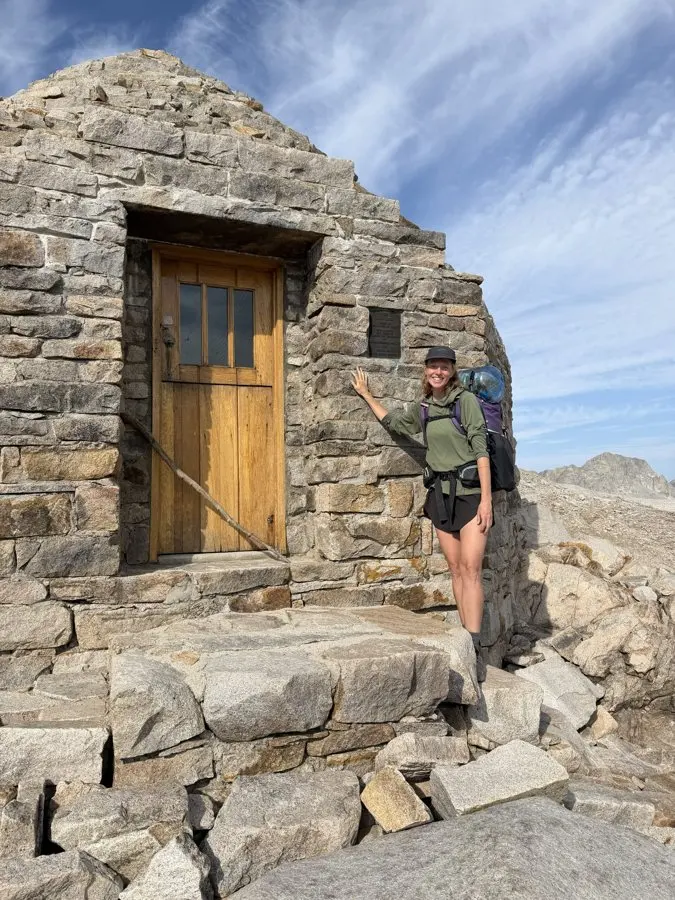
A 21-day thru-hike of the John Muir Trail has ended, and the hiker behind it has shared a detailed retrospective on The Trek that reads as a practical handbook for anyone eyeing the Sierra Nevada's famous 260-mile route from Yosemite to the summit of Mount Whitney.
The headline stats: around 260 miles hiked over 21 days, with two rest days and an average of 12.5 miles per day. Days ranged from 6 to 20 miles, camps usually went up by mid-afternoon, and hiking started around 7:15am. Resupply was managed with three main drops — two mailed to Red's Meadow and Muir Trail Ranch, plus store-bought groceries around Lone Pine and Independence. The longest food carry was seven days, which made the BV500 bear can essential. Hitchhiking came up three times and, after initial nerves, turned into one of the trip's pleasant surprises, especially at busy trailheads like Onion Valley and Cottonwood Pass where day hikers come and go all morning.
Gear verdicts were mixed. A Durston tent earned love but its bulk was a headache in the rocky Sierra terrain — learning to pitch with rocks instead of stakes proved vital. A Gossamer Gear Maripososa pack took a beating and collected rips, and the water filter broke twice. A late addition, the National Geographic JMT topographic map, became the most-used navigation tool, backed by the FarOut app for water sources and campsites, and a Garmin Messenger for family contact and weather checks. One candid miss: a menstrual cup proved impractical to use hygienically on trail.
Trip highlights included the grueling but worthwhile Whitney summit (go early to beat crowds and storms), afternoon alpine lake swims that doubled as a bath, and a rest stop at Vermilion Valley Resort — expensive, the hiker warns, but worth it for the shower, laundry and hospitality alone. Only two days of bad weather hit the trip, with hail and thunderstorms, and three bears made appearances.
The biggest lesson for first-time thru-hikers: your original itinerary will change constantly, and that's fine. Having rough guidelines helped this hiker avoid being swayed by faster walkers around them. And budget realistically — costs stack up faster than expected, especially with resort stops and shuttle coordination.
For anyone considering the JMT, this retrospective is a rare look at the real logistics behind the dream: what breaks, what's worth carrying, and where the money actually goes.