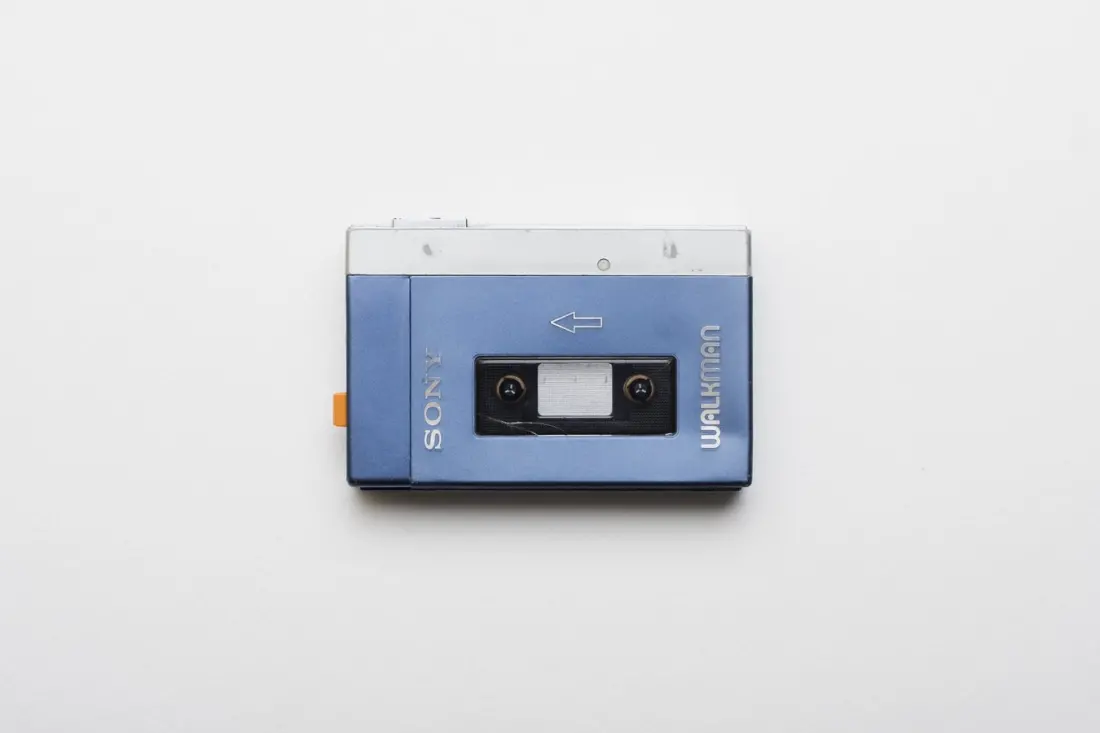
Before smartphones and Spotify, a silver cassette box changed how Colombians heard their cities. The Sony Walkman, first launched in Japan in 1979, reached Colombia in the early 1980s and quietly rewired everyday life in Bogota, Medellin and Cali.
What makes the story unusual is how the device arrived. Colombia then ran a protectionist economy, with import tariffs so high that luxury foreign electronics barely appeared in department stores — and when they did, they sat untouched behind glass. So the Walkman came in through the San Andresitos: sprawling informal markets stocked by merchants with untaxed goods. For a generation of urban teenagers, hunting one down in those maze-like alleys became a rite of passage.
It wasn't cheap. Early models cost far beyond what a minimum-wage family could comfortably spare, yet demand was fierce. Teenagers saved allowances for months, students took part-time jobs, and office workers pooled their annual bonuses to get their hands on one.
The impact on daily life was immediate. Music in Colombian cities had been a public experience — bus drivers blasting their own picks over loudspeakers to captive commuters. Suddenly, passengers could press play and disappear into their own soundtrack, tuning out the traffic and street vendors. Tastes split along musical lines: Michael Jackson and Madonna on the tape decks of north Bogota teens, Grupo Niche and Joe Arroyo's brass-heavy salsa powering walkers in Cali, and Diomedes Diaz's vallenato playing in private on the Caribbean coast — a genre built for parties, now heard alone.
The Walkman also spawned an economy of its own. Street vendors who once sold vinyl pivoted to blank cassettes and bootlegs. Homemade mixtapes became social currency: teenagers hovered over radios, finger on the record button, waiting to capture hits from stations like RCN and Caracol, then traded the results in school courtyards and university cafeterias.
Portable music had its costs, though. The early players chewed through AA batteries, so Colombians got inventive — most famously by spinning the cassette spools with a hexagonal Bic pen to rewind by hand, sparing the motor and stretching battery life. By the late 1980s, cheaper models from Aiwa, Sanyo and Panasonic flooded the market, and Sony's yellow water-resistant Sports versions became a common sight among runners and cyclists on Bogota's Sunday Ciclovia. The brand name stuck so thoroughly that in Colombian Spanish, every portable tape player — whatever the label — was simply called a Walkman.
For travellers, this is a nice piece of context for a visit: the San Andresitos around downtown Bogota are still buzzing informal markets today, and understanding their role explains a lot about Colombian street commerce and music culture. If you're heading to Cali for salsa or Barranquilla for carnival, knowing how cassette-era stars like Joe Arroyo and Grupo Niche soundtracked a generation adds depth to what you'll hear blasting from speakers in parks, buses and bars.