
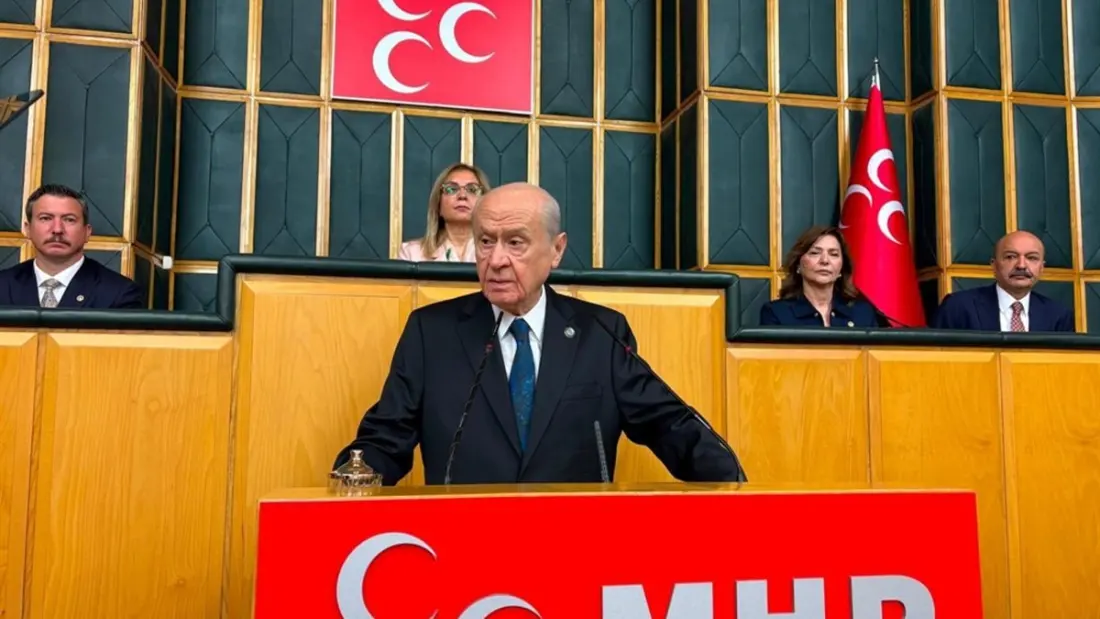
Türkiye's slow-moving peace process has produced a story that reads like a plot twist. Devlet Bahçeli, the nationalist politician whose 2024 call to disarm the PKK launched the "terror-free Türkiye" initiative, has confirmed that a new residence is being built for Abdullah Öcalan inside the Imralı Island prison complex in the Sea of Marmara.
The details matter here. After reports described a luxury "villa", Bahçeli told journalist Ceyhun Bozkurt that the building is a roughly 250-square-metre (2,691-square-foot) residence. Its stated purpose is practical rather than comfortable: to let Öcalan communicate more easily with the outside world as he issues messages tied to the disarmament push. Öcalan has been held on the island for around 26 years, since his capture and repatriation from Kenya, and was sentenced to life after Türkiye abolished the death penalty. Conditions have loosened in recent years — fellow inmates have joined him and visits have increased — since Bahçeli informally kicked off the initiative in 2024.
The politics are striking. Bahçeli was once the politician most associated with calls to hang Öcalan, so his pivot stunned observers. Critics, including some far-right groups, have accused him of betraying nationalism, while supporters argue the process could address long-standing grievances of Kurdish citizens that the PKK claimed to represent. Bahçeli has stuck to his position, championing Turkish-Kurdish unity and a "united front" against external threats.
Why should a traveller care? Because this process directly shapes the practical reality of visiting Türkiye's east and southeast. Regions long affected by the conflict — Diyarbakır, Mardin, Şanlıurfa, Van — are among the country's most rewarding for travellers, with layered history, distinctive cuisine and UNESCO-listed sites. A genuine de-escalation means easier access, more domestic flight routes and hotel investment, and fewer security checkpoints or advisories deterring visitors. It also signals political stability in a country that hosts tens of millions of tourists a year, most of whom never see beyond the coast but increasingly add Anatolian cities to their itineraries.
For now, Imralı remains a closed military prison island — no ferries, no visits, no tourism. The story is worth following not as a destination piece but as context: the tone of Turkish domestic politics in 2026 is shifting in ways that quietly expand where visitors can comfortably go.