
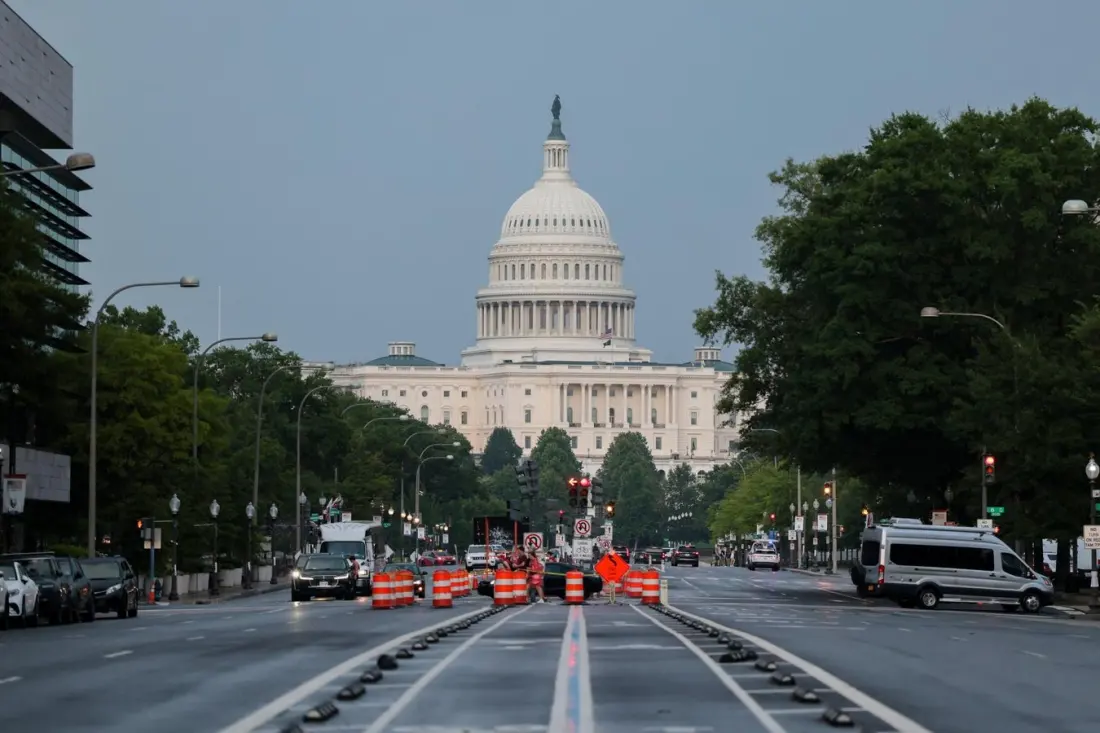
The US House of Representatives has passed one of the most consequential pieces of Russia-related legislation since the invasion of Ukraine, voting 262 to 159 to approve what is now called the Lindsey O. Graham Sanctioning Russia and Iran Act of 2026. It now heads to President Donald Trump's desk, roughly 15 months after the late Senator Lindsey Graham first introduced the bill in April 2025. Graham died suddenly on July 11, days after Trump finally allowed Republican leaders to schedule a vote.
The measure targets Russia's energy and defence sectors, plus the so-called "shadow fleet" of tankers used to dodge existing sanctions. It cleared the Senate last month by a lopsided 86-11, with Ukrainian President Volodymyr Zelenskyy personally lobbying lawmakers and even watching an early procedural vote from the Senate chamber. He reiterated this week that it is "important that it becomes law."
For holidaymakers, the relevance is indirect but real. Energy is where this law touches everyday travel. Sanctions that squeeze Russian oil exports — and tariffs on big buyers like China and India, which the bill authorises Trump to impose — could nudge global crude prices either way depending on how markets absorb the disruption. Fuel is one of an airline's biggest costs, so sustained price spikes tend to show up in fares and fuel surcharges on long-haul routes over the following months. Travellers booking intercontinental trips later in the year may want to keep an eye on oil prices before locking in tickets.
The bill was controversial at home for reasons that go beyond Russia. Dozens of Democrats broke with leaders like Hakeem Jeffries, who argued it hands Trump "unfettered authority to unleash tariffs," and includes loopholes letting the president decline to enforce sanctions by declaring it not in the national interest. Some Republicans worried new tariffs could push up consumer prices before November's midterms. Supporters, including lead sponsor Michael McCaul of Texas, framed it as a message that Washington still backs Ukraine and could push Vladimir Putin to negotiate.
On the ground in the region, nothing here changes the basic map: Russia remains effectively closed to Western leisure travellers, with US citizens still advised against travel there and direct flights between the US and Russia suspended since 2022. Ukraine, meanwhile, remains under a do-not-travel warning due to the ongoing war — Russian drones struck a passenger bus and a train in southern Ukraine on the same day the bill passed, killing five people. The conflict continues to keep European airspace routes around Russia closed, lengthening flights between Europe and East Asia.
The bigger picture for travellers is the same one facing everyone else: whether this bill shortens the war, escalates economic friction, or simply adds new tariff uncertainty, its effects will flow through fuel prices, airfares and exchange rates. Anyone planning big trips in late 2026 and beyond would be wise to build some flexibility into bookings and watch how the tariffs on countries buying Russian oil actually take shape.