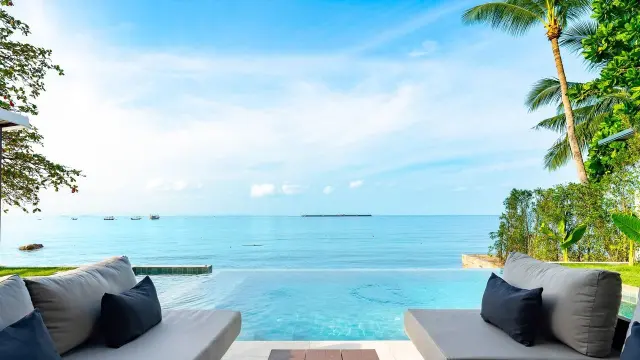
The Monaco Yacht Show has wrapped for another year, but the talk it generated is still circling: not just about size and spectacle, but about a genuine shift in what these vessels are becoming.
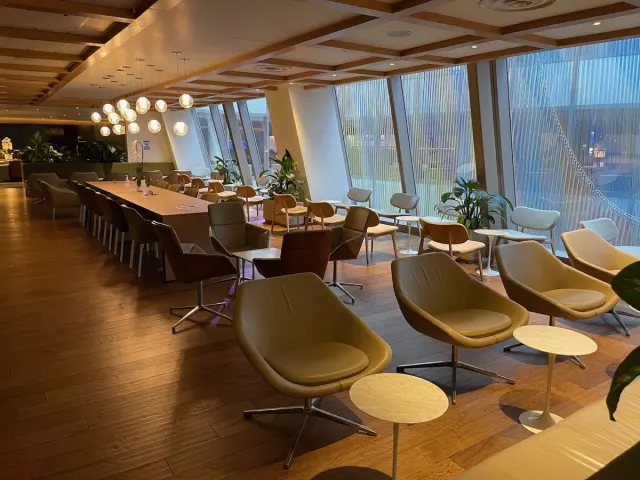
Peter Martin, author of Superyacht: Inside the World's Most Incredible Superyachts, argues that the classic look of yacht luxury — polished woods, marble, steel, formal salons — is giving way to something far more domestic. Newer interiors could pass for a beautifully designed apartment or house, right up until you glance out the window and see open water. Salons are loosening up, furnished at residential scale with personal libraries, art collections, timber, stone, linen and wool, all under warmer, layered lighting.
The reason? Owners have changed. A decade ago, the typical owner spent two weeks a year aboard, cruising the Mediterranean and entertaining. Today's buyers are younger, often made their money in tech or crypto, and spend far more time living on board. Their boats are less about broadcasting wealth and more about creating personal environments. Martin even suggests we may have passed peak-massive superyacht: dramatic vessels like AHPO and Kismet remain masterpieces, but they no longer define the ideal. The most interesting new boats feel like portraits of their owners.
Collaboration is the other big story. The same designers now move freely between yachts, residences, hotels, private jets and furniture, and Martin expects fashion houses and lifestyle brands to get involved more deeply. His standout example is Giorgio Armani's yacht, developed with shipbuilder Admiral shortly before Armani's death. Crucially, this wasn't an Armani/Casa interior dropped into a standard hull — the designer shaped the architecture itself, from a satin-finished aluminium and polished steel silhouette to full-height glazing and interior materials. The lesson for future brand tie-ups, Martin says, is translating a brand's essence without producing a floating showroom.
Sustainability, meanwhile, has moved from engineering afterthought to design driver. Winch Design is leading here: its yacht Nasiba uses eggshell finishes, cork, woven grasses, natural clay plaster, wool dyed with natural pigments and fallen timber, with an in-house sustainable materials specialist embedded in the process. The result, Martin insists, looks tactile and crafted rather than like a compliance exercise.
Why should anyone without a nine-figure budget care? Because superyachts are laboratories. With unmatched budgets, craftsmanship and technical freedom, designers push ideas further than anywhere else — and those innovations trickle down to commercial shipping and, a few years later, to homes and hotels on land. The relaxed, material-led, sustainable direction of yacht design is a preview of where high-end hospitality is heading.