
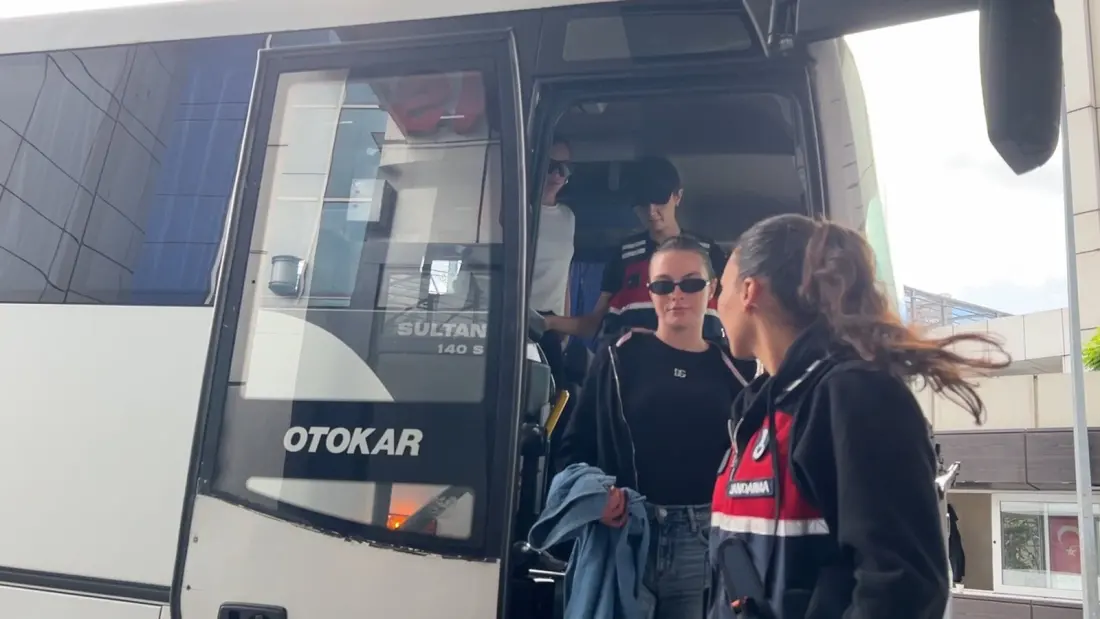
A sweeping pair of investigations by the Bakırköy Chief Public Prosecutor's Office has led to the detention of 20 people in Istanbul, among them some of Turkey's most recognisable actors, a chart-topping rapper and a former international footballer.
According to a statement from the prosecutor's office, evidence gathered in the first investigation supported reasonable suspicion that several publicly known figures had used narcotics or stimulants, facilitated drug use by others, or supplied premises where such activity took place. Istanbul's Provincial Gendarmerie Command was ordered to detain 18 suspects, carry out searches and biological examinations, and take their statements before prosecutors.
Names in that group include actors Aras Bulut Iynemli — known internationally for his role in the acclaimed prison drama "Miracle in Cell No. 7" — Melis Sezen and Nilperi Şahinkaya, the rapper Sefo (real name Seyfullah Sağır), and Hasan Şaş, the former Galatasaray and Turkey winger. Businesspeople, venue operators and social media personalities were also caught up in the operation.
A second, separate investigation resulted in detention orders for six more suspects over drug use and procurement, violation of privacy, blackmail and facilitating prostitution. Those named include Volkan Akçıray, Zeynep Akçıray, Eda Güzelcik, Sezer Çakır, actress Hazal Filiz Küçükköse and Yeliz Tuba Yasa. In total, 24 suspects were targeted across both probes, and 20 had been apprehended at the time of the statement.
The story has attracted intense attention in Turkey because of the household names involved, and it lands at a sensitive moment for Istanbul's nightlife and hospitality sector, which is a major draw for the city's millions of visitors. For travellers, there is no direct impact on tourism services — the operations targeted individuals rather than venues open to the public — but it is a timely reminder that Turkish authorities take drug offenses seriously, including for high-profile and foreign visitors alike. Recreational drug use is illegal in Turkey, penalties can be severe, and police activity around bars and clubs in districts like Beyoğlu and Kadıköy is not unusual.
There is no suggestion any of the named suspects have been charged or convicted; detention is a procedural step while investigations continue, and Turkish legal process typically involves court review of the cases. Expect the story to keep developing as statements are taken and prosecutors decide on formal charges.
For anyone planning a trip to Istanbul, the practical takeaway is simple: the city remains open for business, its restaurants, rooftop bars and bazaars are unaffected, and this is a celebrity legal story rather than a safety event — but it is worth knowing the local rules before a big night out.