
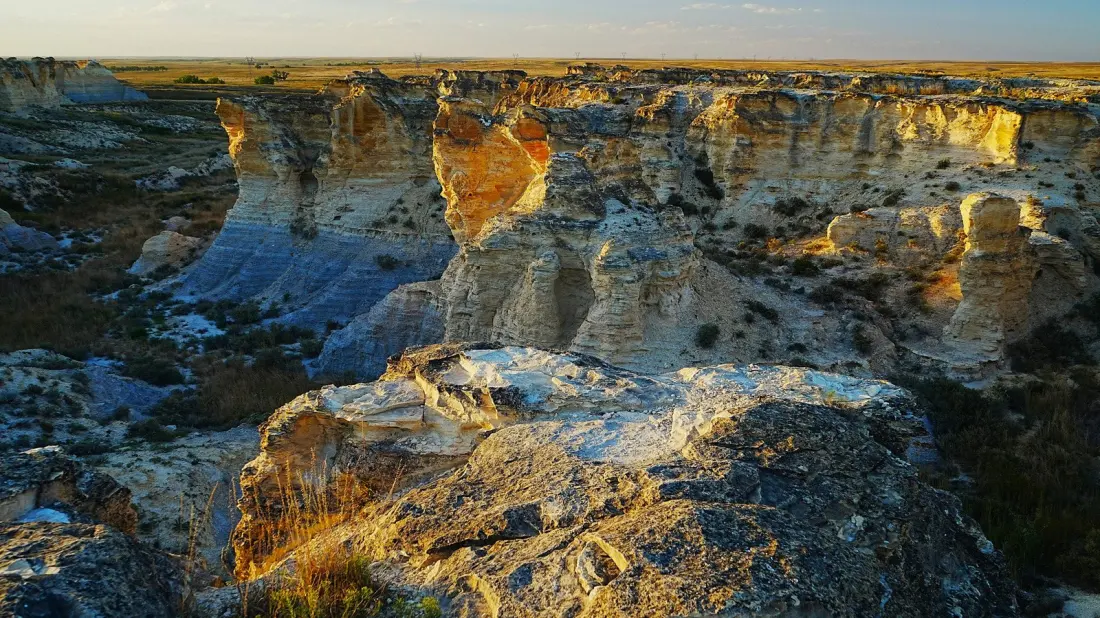
If you camp in Kansas, your costs are about to climb. The Kansas Wildlife and Parks Commission approved a sweeping fee overhaul in late August, and the new prices take effect on November 1, 2026 — hitting everything from parking to utilities across the state's roughly 30 parks.
The headline numbers: annual vehicle permits jump 56%, from $25 to $39. The Kansas State Park Passport, a discounted option that gives residents unlimited park entry through their vehicle registration, nearly doubles from $15.50 to $30.50. Daily vehicle permits rise from $5 to $7.
But the change stinging frequent campers most is the outright elimination of the annual camping permit, which currently runs between $202.50 and $252.50. It disappears after November 1, 2026. State Parks Director Conner O'Flannagan explained the reasoning bluntly: the permit's low price left a hole in the budget. The other permits aren't faring much better — daily camping permits rise 40%, two-week permits by nearly 50%, and utility fees for water and electrical hookups are increasing too.
Why now? O'Flannagan pointed to a decade of inflation and rising operating costs, telling local station KOAM that without alternative funding, fees are the only lever the department has. Fees are the primary funding source for Kansas state parks, so the increases are effectively how the system stays afloat. Kansas Department of Wildlife and Parks Secretary Christopher Kennedy acknowledged the tension, saying the department takes public input seriously while balancing its responsibility to manage public lands.
For travellers, the practical upshot is a thinner budget for trips to spots like El Dorado State Park, Kansas' largest, which offers camping, cabins, and plenty of outdoor activity. It also means one less cheap option in a state that already had few. Only Kaw River State Park in Topeka remains free, with riverside trails and water access — a nice stop, but one free park out of roughly 30 is slim comfort for regular visitors.
If you've been eyeing an extended Kansas camping season, the maths is simple: buy your annual camping permit before November 1, 2026, and it should cover you at the old rate. After that, budget for meaningfully higher nightly and utility costs. For occasional visitors, the difference is a few dollars per day — annoying, but not trip-ending. For anyone road-tripping through the Flint Hills or planning a lake weekend at El Dorado, it's worth factoring in now rather than being surprised at the gate.
This fits a broader pattern of US destinations raising fees for 2026, so it's a good habit to check state park pricing before you book anywhere, not just in Kansas.
Story via Islands.