
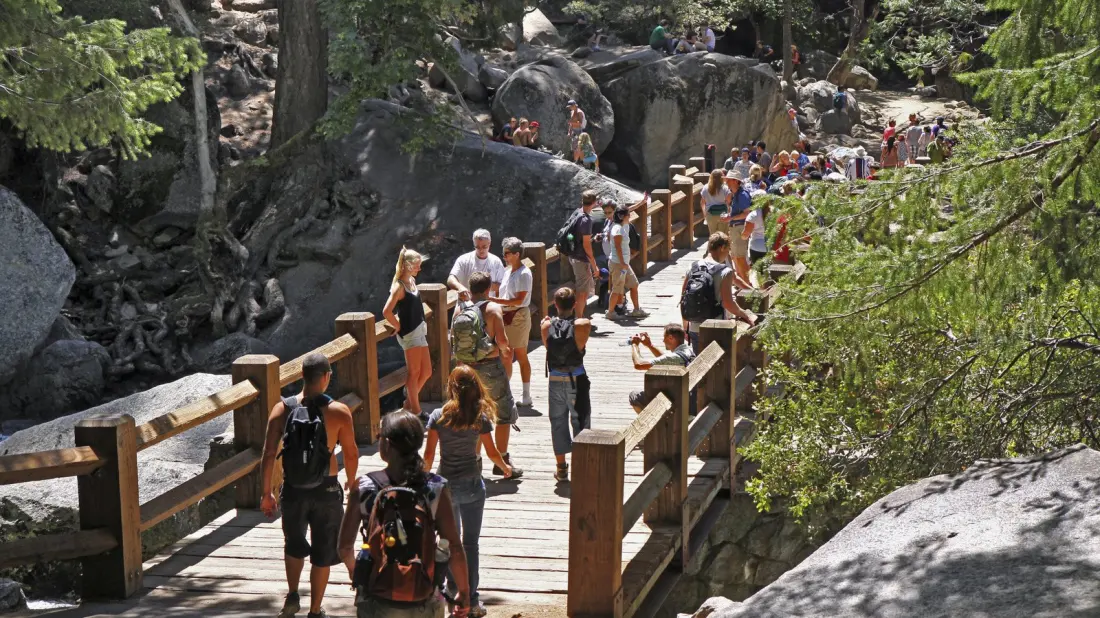
Great Smoky Mountains, Zion, the Grand Canyon, Yellowstone and Rocky Mountain were the five most-visited US national parks in 2025, and each one is undeniably spectacular. But a recent first-person account of a July trip to Rocky Mountain National Park captures a growing problem: the headline parks are straining under their own popularity, and travellers who arrive unprepared may find the experience more stressful than sublime.
The writer, who camped inside the park after booking months ahead, arrived at the popular Emerald Lake Trail to find hundreds — possibly thousands — of hikers already on the path. There was never a moment with fewer than a dozen people in sight, viewpoints required queuing while others took selfie after selfie, and some hikers blasted music from speakers. The scenery was beautiful; the vibe was closer to a slow-moving theme park queue than a wilderness escape.
Crowds are only part of it. Many marquee parks now require advance timed-entry reservations, and even those without them may close their gates once capacity is hit. Spontaneous weekend road trips are increasingly off the table in peak season. Then there's the traffic: in Yellowstone, driving is statistically more dangerous than the bears or geysers. Zion banned RVs from its main road in 2026 to cut congestion, and Yosemite warns that arriving after 8am on weekends can mean long delays and no parking past El Capitan — some visitors reportedly give up without ever leaving their cars.
There's also an ethical angle for nature lovers. Millions of visitors a year bring litter, off-trail shortcuts, illegal campfires and — unpleasantly — human waste along popular routes, and park staff can't keep pace. Joining a peak-season crush at the biggest names means adding to that strain.
The upside is that none of this means skipping US national parks altogether. Timing is the biggest lever: shoulder season (late spring or early autumn) transforms the experience, and arriving at dawn or in the evening dodges both traffic and trail crowds. Alternatively, look beyond the famous five — of the 63 national parks in the system, plenty offer dramatic scenery with a fraction of the foot traffic. And wherever you go, check the park's website before travelling: reservation requirements, shuttle options and permit rules vary widely and change often.
For anyone craving actual solitude in America's great outdoors, the advice is simple: plan ahead, go off-peak, or choose a quieter park — because the biggest names in July are no longer a peaceful escape. — Explore.com