
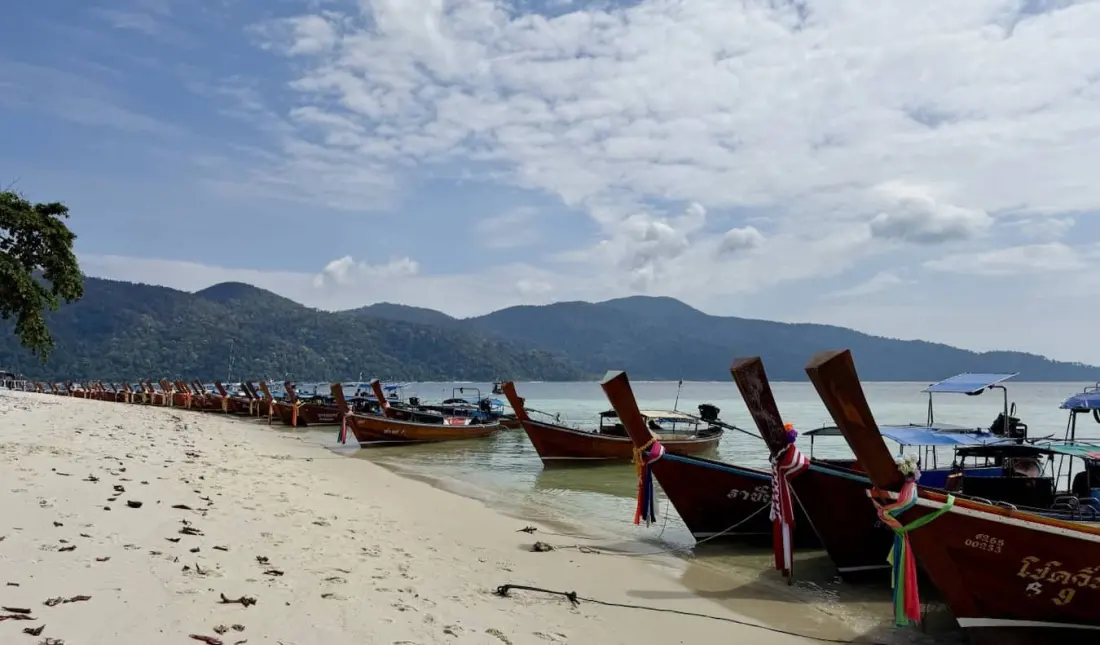
In 2006, Ko Lipe was the kind of island travel legends are made of. Electricity ran a few hours a day, beach bungalows cost around $2 a night, and there really was a last boat of the season. A travel writer who spent nearly a month there that year recently returned — 19 years later — and came away with a blunt verdict: don't go.
What he found is a familiar Thai island story. The dirt footpaths have been paved for cars and construction trucks. Palm groves have given way to upscale resorts with swimming pools, on an island with no natural water supply, and building continues at pace. The surrounding coral is dying from boat traffic, anchors, pollution and overfishing, and a film of fuel exhaust now shimmers on the water where people swim. Even the food scene has shifted, with many restaurants serving mediocre Western dishes rather than good Thai cooking.
There's a human cost too. Many local residents sold up to mainland developers as prices soared, and much of the island's workforce now comes from the mainland — people who see little of the tourism money flowing through. The writer compares Ko Lipe directly to Ko Phi Phi, another island he argues has been loved to death, and suggests travellers give both a miss.
That said, he's honest about why first-timers still fall for the place. Set inside a national park in the Andaman Sea, Ko Lipe is genuinely beautiful: white sand, vivid blue water, and boat trips to quieter neighbouring islands. Against the heavyweights of Phuket, Krabi or Ko Phi Phi, it can even feel less developed. New Year's Eve there is lively, and there's a direct ferry connection to Langkawi in Malaysia, which keeps it on plenty of backpacker itineraries.
His point isn't anti-growth — it's anti-this-kind-of-growth. With limited resources and no sustainable management plan, every additional visitor adds strain. His alternative? Put your money on nearby islands that are better managed: Ko Lanta, Ko Jum and Ko Mook all get a shout, and each offers a similar mix of beaches, snorkelling and slow island time without the same level of construction.
Whether you agree with a full boycott is up to you, but the underlying idea is worth taking on any trip: where you spend your nights and your baht shapes what gets built next. Consumer pressure helped end elephant riding in Thailand and fuelled the rise of eco-lodges — traveller choices genuinely move the market.
If you're planning an Andaman coast island hop this season, it may be worth rerouting. The quieter islands nearby deliver the postcard without the paving, and your money is more likely to support the people who actually live there.
Story via Nomadic Matt.