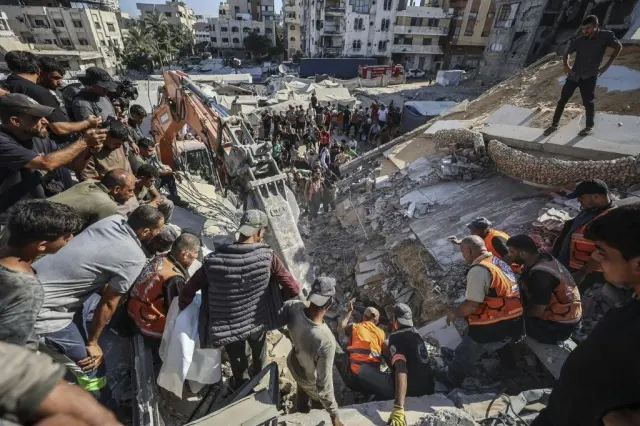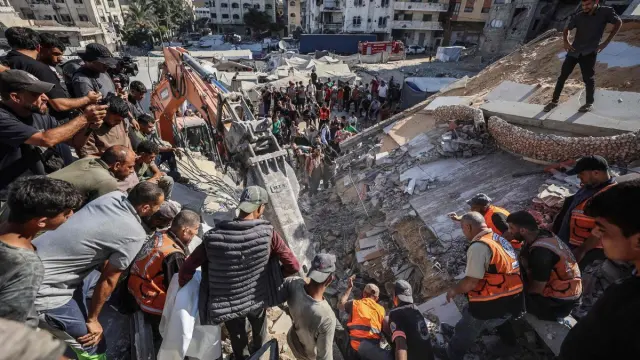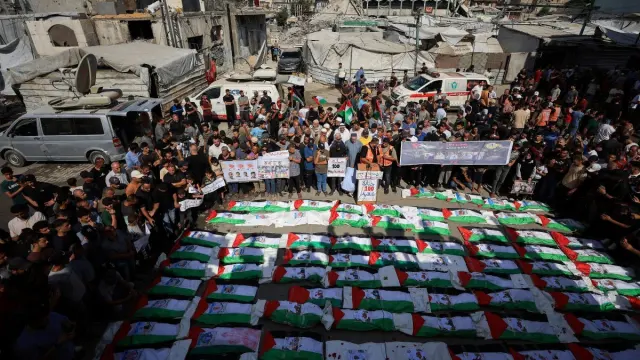
A rapid scientific analysis has concluded that climate change was a key factor behind the catastrophic rock and ice collapse on Nepal's Langtang Lirung, a disaster that has left more than 1,400 confirmed dead and over 5,000 people missing across Nepal and China after ice, rock and debris thundered into the Lhende Khola on the mountain's border slopes.
The study comes from World Weather Attribution (WWA), the international consortium of scientists known for quick assessments of extreme events. Best known for analysing heatwaves and floods, the group this time tackled something different: a multi-stage mountain disaster rather than a single weather event. They also examined September 2024 flash floods in Nepal's Lele and Rosi Khola rivers.
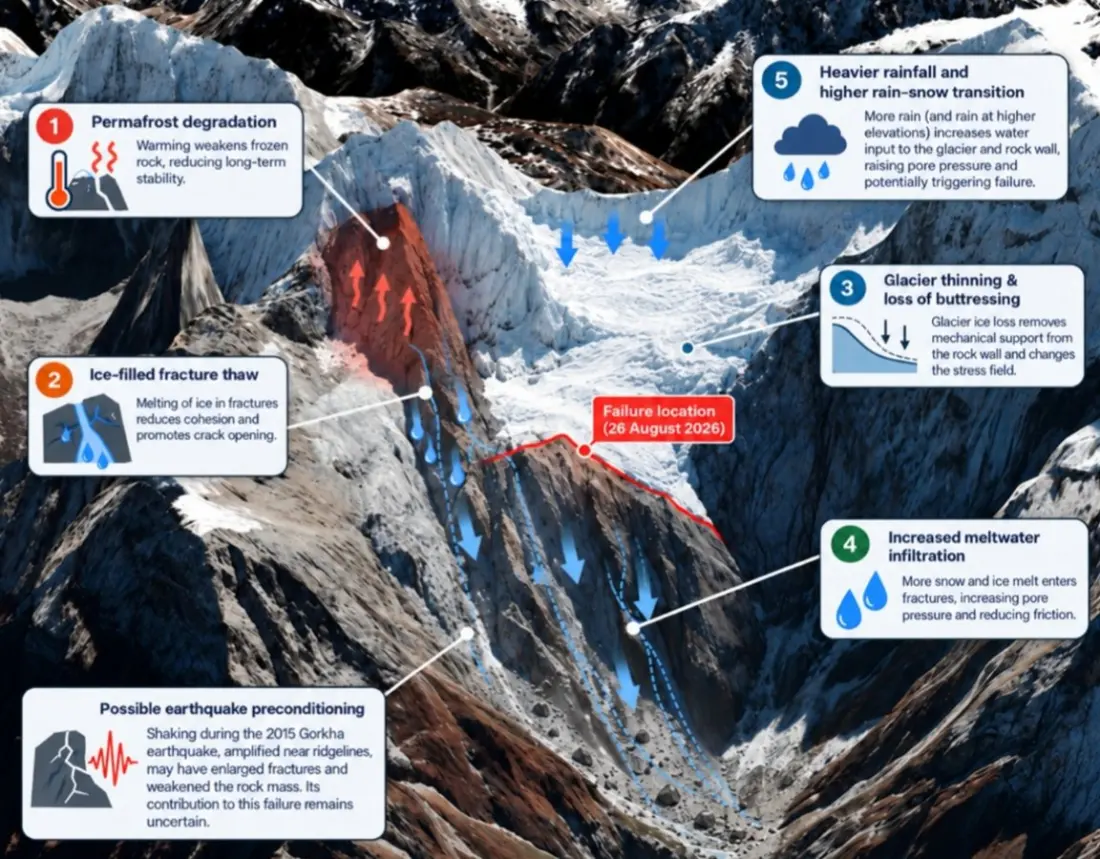
What the scientists found is a chain reaction. Long-term warming from fossil fuel burning has pushed the freezing level above 5,000m on Langtang Lirung, thawing the permafrost that acts as glue inside the rock fractures. Glaciers on the mountain have retreated up the slope by roughly 100m per decade. Add the lingering instability left by the 2015 earthquake, plus the warmest July and August on record in the region and unusually heavy October-November snowfall loading the melting ice shelf, and the slope simply gave way.
The implications stretch well beyond one valley. High Mountain Asia holds the third-largest store of ice on Earth after the polar regions, feeding the rivers that roughly two billion people downstream depend on. Researchers warn that glaciers and high-altitude permafrost react to temperature over decades, meaning past warming has already locked in future destabilisation — even if emissions stopped tomorrow. Ben Clarke of Imperial College London put it plainly: this was not a freak weather event, but the fingerprints of long-term change are unmistakable.
The report carries political weight. It argues Nepal has exceeded its ability to adapt, and is expected to strengthen the country's case for international climate funding, including appeals to the Loss & Damage Fund for reconstruction. Nepal, which contributes almost nothing to global emissions, is steadily building a diplomatic case as a frontline climate victim — Prime Minister Balendra Shah was set to press that point at the UN General Assembly on 23 September. Climate activist Manjeet Dhakal, who has warned about exactly this kind of downstream flood risk for a decade, says the disaster is testing the very limits of adaptation.
For travellers, the message is practical as well as sobering. Langtang is one of Nepal's most popular trekking regions, close to Kathmandu, and the Himalaya's high routes are becoming less predictable as permafrost thaws and glacial lakes swell. Anyone heading into these mountains should treat route checks, weather updates and local guidance as non-negotiable, and expect closures or changed conditions in affected areas. The report is also a reminder that the mountains many visitors love are changing fast — and that the risks now cascade, from icefall to flood to downstream damage, in ways guidebooks written a decade ago never anticipated.