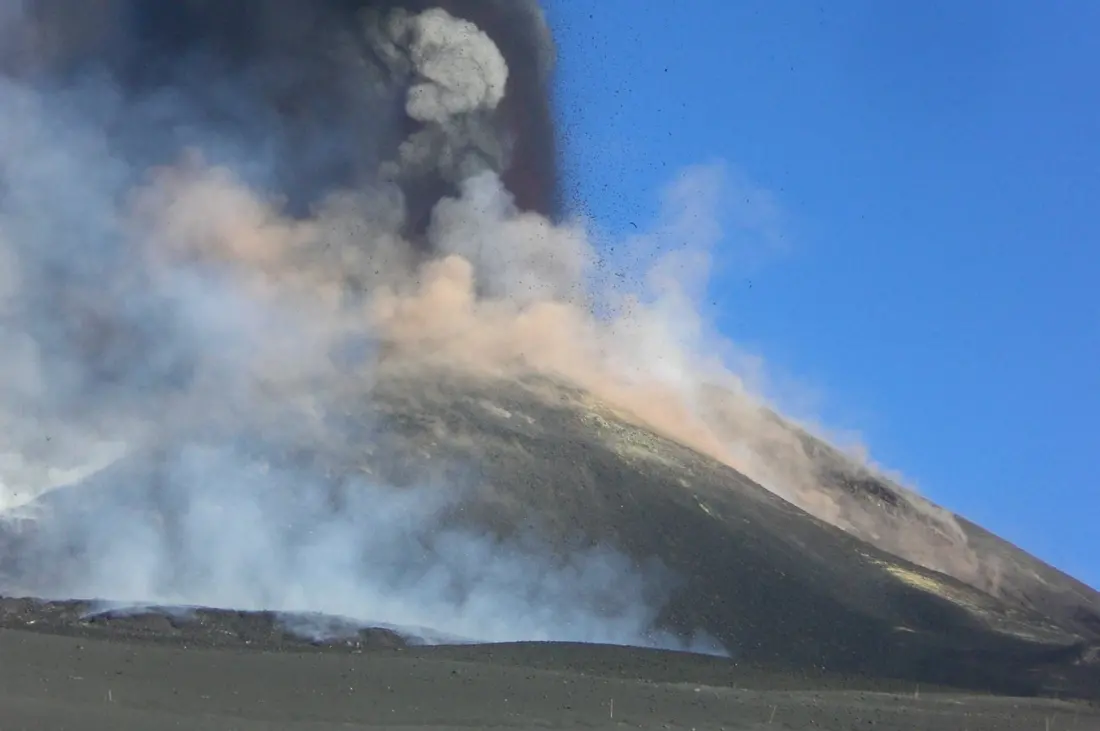
Sicily's main airport is shut once more. Catania-Fontanarossa suspended all arrivals and departures until 11:59pm on Monday, 28 September, after Mount Etna's ash emissions drifted into the airspace, according to airport operator SAC. It's the third consecutive day of closures, following Saturday 26 September and Sunday.
Anyone flying to or from Catania right now should check directly with their airline before setting off for the airport — further updates depend on volcanic activity and wind conditions, which can change quickly.
The scale of the problem this year is notable. Catania is Italy's fifth-busiest airport and the island's key gateway, so each closure ripples across the whole region. In August, an eruptive phase with the aviation alert code at red kept the airport affected for five straight days: Reuters reported 36% of nearly 2,000 scheduled arrivals between 6 and 12 August were cancelled, and more than 600 flights were diverted to Palermo, Trapani, Comiso and Lamezia Terme. Earlier, on 7 July, an eruption cancelled around 130 flights and diverted roughly 50 more. There was also a shorter shutdown on 14 September.
This isn't just a 2026 story. July 2024's eruption grounded around 90 flights and affected an estimated 15,000 passengers, and August 2023 saw a similar closure. When Europe's highest and most active volcano sits roughly 30 kilometres from one of southern Italy's busiest airports, disruption is effectively baked into the summer travel season.
Why do airlines take no chances? Volcanic ash is genuinely dangerous for aircraft. The fine particles can obscure visibility and, once sucked into jet engines, melt in the extreme heat and stall or damage critical components. Boris Behncke of Italy's National Institute of Geophysics and Volcanology's Etna Observatory has warned that ash can force engines to stall — a risk serious enough that regulators ground flights rather than gamble.
The knock-on effects matter for travellers too. Weekend diversions congested Palermo, Comiso and Trapani, meaning delays can spread even if your flight isn't originally booked through Catania. If you're planning a Sicily trip in the coming weeks, build in buffer time, consider trains and ferries as alternatives between the mainland and the island, and know that Messina's rail links and inter-island ferries offer backup when planes are grounded. Etna itself remains open to visitors when conditions allow — but check local guidance before heading up.
The bottom line: Etna's activity is unpredictable, and Catania's closures are likely to continue whenever ash meets the flight paths. Travellers to eastern Sicily should treat flexible tickets and travel insurance as essentials rather than extras.