National parks are usually thought of as wild places you visit and leave. But a handful of towns in the US and Canada sit fully inside park boundaries, with real residents, schools, shops and even a daily bakery run. From a Victorian retreat in Yosemite to a fly-in village in Alaska, these communities offer a very different way to experience the parks.
In California, Wawona became part of Yosemite National Park in 1932 and still holds a permanent population of about 125, plus the Victorian-era Wawona Hotel and a cluster of historic buildings. Further south, Furnace Creek in Death Valley holds the title of America's hottest town — the visitor centre thermometer has hit 134°F — yet its roughly 126 year-round residents share it with hotels, restaurants and a campground that make it a surprisingly popular winter escape.
Washington state has the most remote entry: Stehekin, on the shores of Lake Chelan, has no road access at all. The ferry Sunny Jo carries just 32 passengers once a day, and around 75 hardy residents live there year-round, fuelled in part by the legendary cinnamon rolls at the Stehekin Pastry Company. In Kings Canyon, meanwhile, the 100-acre village of Wilsonia hides roughly 200 privately-owned log cabins beneath the sequoias of the Grant Grove section, many available as rustic rentals.
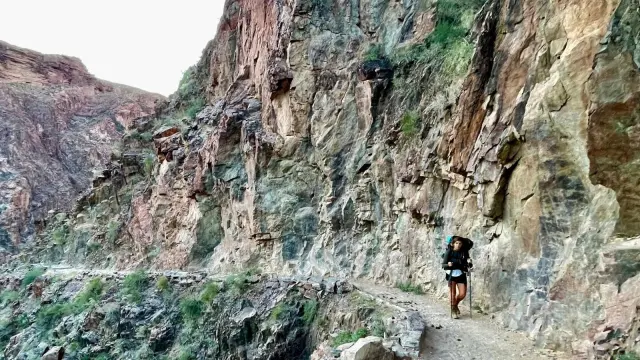
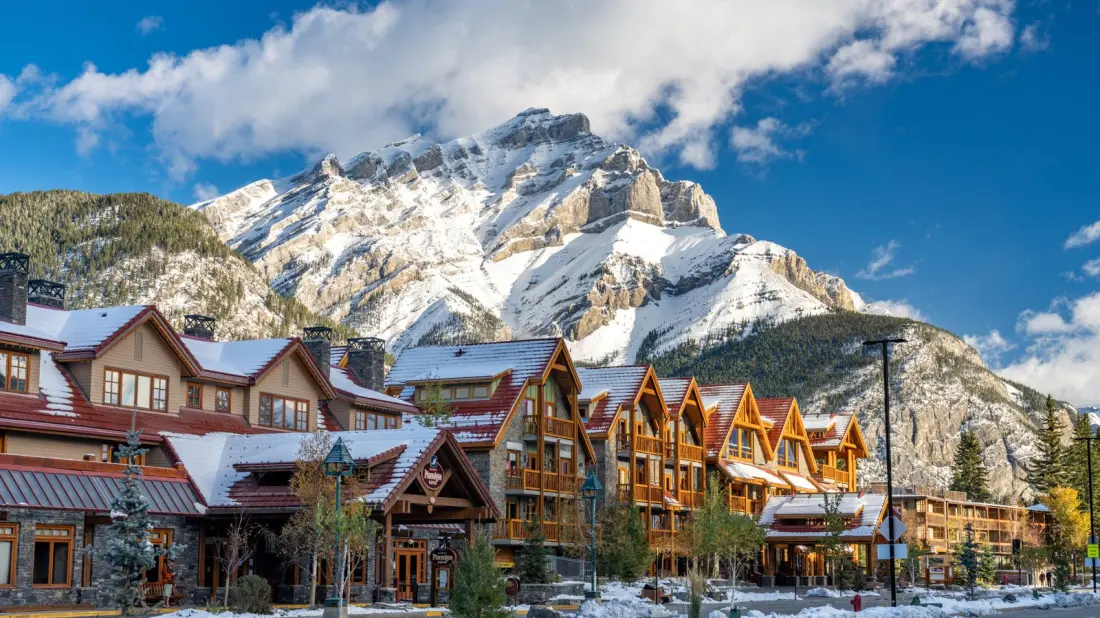
The big names appear too. Banff, Alberta, is a full mountain town of more than 8,000 people inside Banff National Park, with skiing in winter, lake cruises in summer, a buzzing Banff Avenue and free public transit around the park. Nearby Jasper is rebuilding after extensive 2024 wildfire damage — most hotels and campgrounds have reopened, businesses run from a pop-up village, and the town of 4,700 expects visitors back in force in 2026. In Arizona, Grand Canyon Village on the South Rim looks like a tourist strip but functions as a real town of around 1,600 residents, complete with a school, library, clinic and post office.
The outliers are just as interesting. Anaktuvuk Pass, inside Alaska's Gates of the Arctic, is reachable only by plane and offers a rare look at Nunamiut culture — respectful behaviour essential. And Dune Acres, Indiana, population 293, sits entirely within Indiana Dunes National Park on the Lake Michigan shore; it's the state's wealthiest community, with median household incomes above $200,000, and a few upscale rentals let visitors sample the beach-club lifestyle.
Why does this matter for travellers? Staying inside a park means early trail access before the day-trippers arrive, sunset and sunrise light on the scenery, and a sense of place that day visits can't match. Some options, like Banff or Grand Canyon Village, are easy to book and family-friendly; others, like Stehekin or Anaktuvuk Pass, demand planning and a spirit of adventure. Either way, sleeping inside a national park — as a neighbour rather than a visitor — is one of the more memorable ways to do it.