Nintendo quietly marked its 137th birthday on 23 September — a striking number for a company most people associate with handheld consoles. It was founded in 1889, meaning it predates commercially sliced bread (1928), the Wright brothers' first flight (1903), penicillin (1928) and even the public opening of the Eiffel Tower in June of its own founding year. Van Gogh painted The Starry Night the same year Fusajiro Yamauchi set up shop in Kyoto's Shimogyo-ku district.
That shop had nothing to do with video games. Nintendo Koppai made hanafuda, traditional Japanese playing cards illustrated with pictures instead of numbers. Japan had banned most gambling in 1882, and picture-based cards turned out to be handy for games that sidestepped those rules. Business boomed, and Nintendo became Japan's leading hanafuda manufacturer, eventually exporting cards long before anyone had heard of Mario.
The pivot came slowly. In 1959 Nintendo licensed Disney characters for its cards, opening up the children's market. A decade later, employee Gunpei Yokoi was put in charge of a new toy division; his team's Beam Gun and Ultra Hand turned Nintendo into a genuine toy company. Its first home console, the Color TV-Game 6, arrived in 1977, and the NES turned the Kyoto card maker into a global powerhouse — just as the industry was clawing back from the 1983 North American crash, helped by Nintendo's tight grip on third-party game quality.
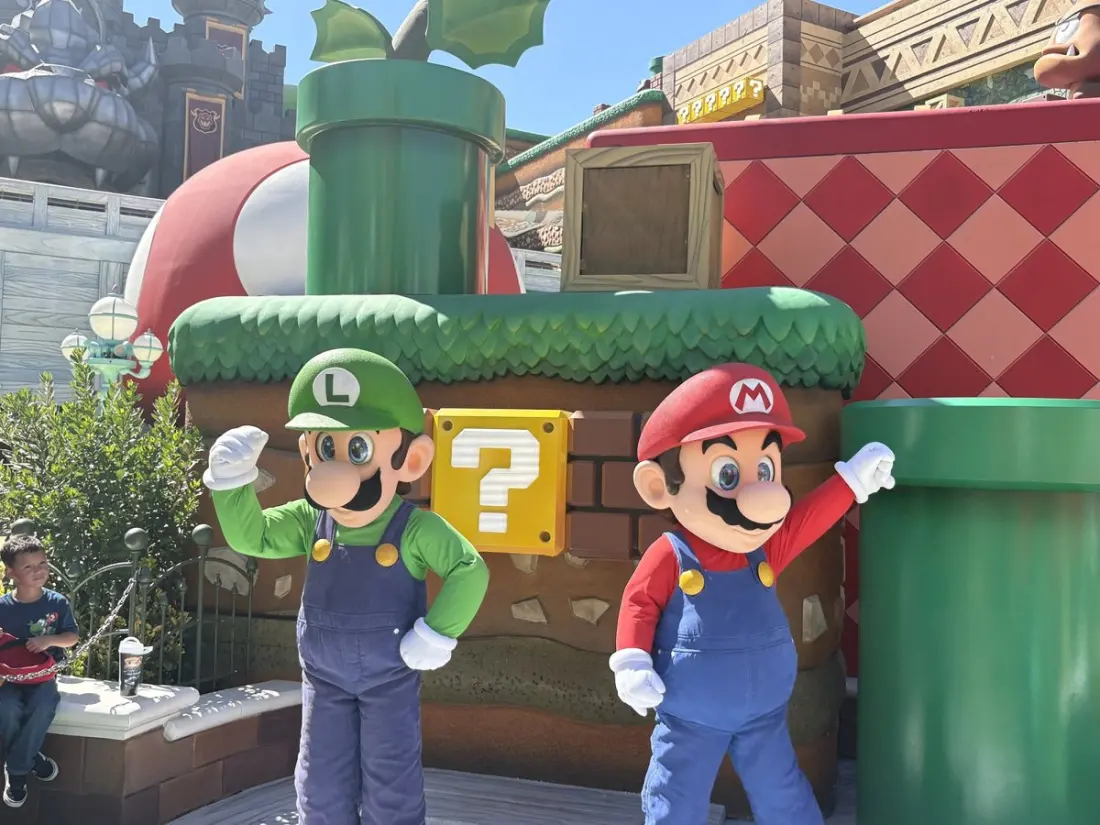
Today the numbers are staggering: the Switch has sold nearly 157 million units, its successor has already moved 23.6 million since launching in June 2025, and both Super Mario Bros. films have passed US$1 billion at the box office. Add a live-action Zelda film in development and Nintendo-branded theme park lands, and the company now spans cards, toys, consoles, cinema and parks.
For travellers, the fun angle is Kyoto itself. Nintendo's original hanafuda workshop stood in the city's Shimogyo-ku district, and the company maintained a Kyoto headquarters for over a century (it has since relocated to Tokyo). While there's no Nintendo museum at the old site, Kyoto is still the place to see hanafuda being made and played — and a Mario-themed detour to Universal Studios Japan in Osaka, 15 minutes away by train, rounds out the pilgrimage nicely.