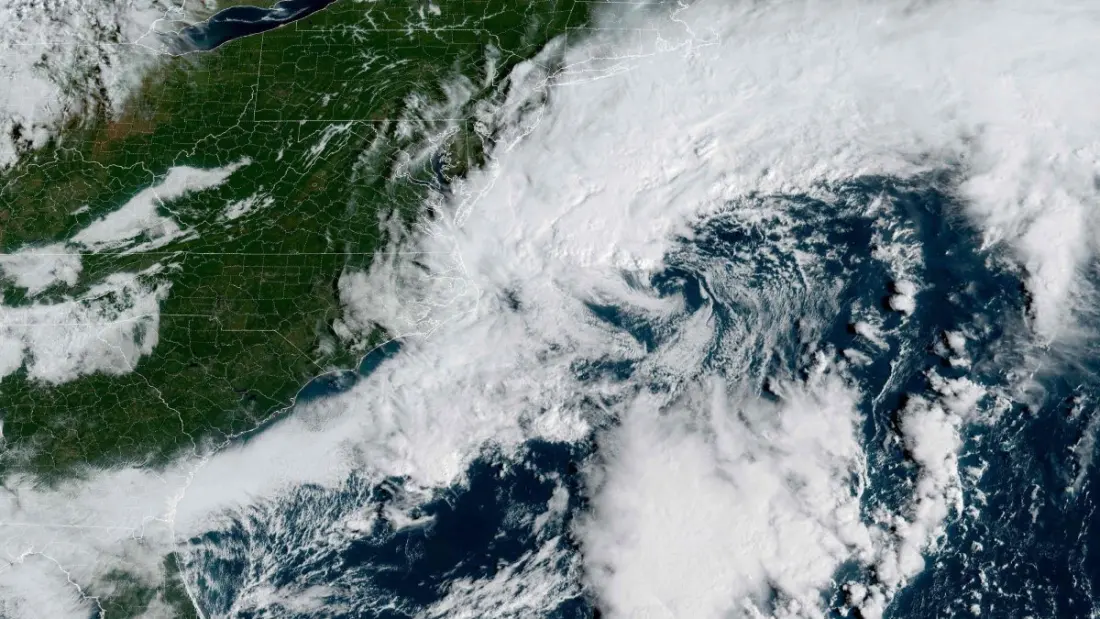
A powerful nor'easter is bearing down on the northeastern United States, and if you had a trip planned for this weekend, it's worth paying attention. Forecasters expect heavy rain, wind gusts above 60 mph (100 kph) and coastal flooding across a region that is home to more than 40 million people, with New York, Boston and Philadelphia squarely in the storm's path.
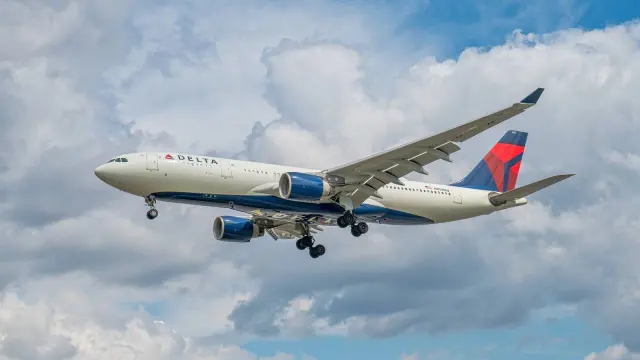
The disruptions are already real. Ed Sheeran has cancelled weekend concerts near Boston, where parts of Massachusetts could see up to 5 inches (13 cm) of rain — more than a month's worth in some spots. The FAA has warned of possible flight restrictions and urged passengers to check their airline's status before heading to the airport. JetBlue, United and American have all issued travel alerts letting passengers rebook affected flights without change fees — a useful option if you're holding a ticket out of the Northeast.
New York Mayor Zohran Mamdani has advised anyone travelling this weekend to build in extra time and to check trains, ferries and flights before setting out, while avoiding low-lying coastal roads around high tide. That's solid advice well beyond the city limits: coastal flooding, dangerous rip currents and downed trees are the main hazards, and power outages are likely.
The trouble isn't confined to the big cities either. Coastal areas of North Carolina, Virginia, Maryland, Delaware and New Jersey have already seen flooding this week, so shoreline towns along the whole mid-Atlantic corridor should expect a rough stretch through Sunday.
A quick explainer for visitors: a nor'easter is a storm that tracks up the East Coast with winds blowing from the northeast, and while they're most common between autumn and early spring, they can form at any time of year. This one follows a rough 12 months for the region — an earlier storm this year disrupted hundreds of flights and knocked out power to thousands of homes, weeks after another severe winter system was linked to more than 100 deaths.
For travellers, the takeaway is straightforward: keep your bookings flexible, sign up for airline alerts, and don't plan coastal drives or ferry trips around high tide this weekend. If your flight is affected, the current fee-free change policies make rebooking painless, and city transit — New York's subway, for example — is usually a more reliable bet than short-haul flights in conditions like these. If you're already in the region, skip the beach, secure your plans indoors and let the storm pass before pushing on north or south along the coast.