
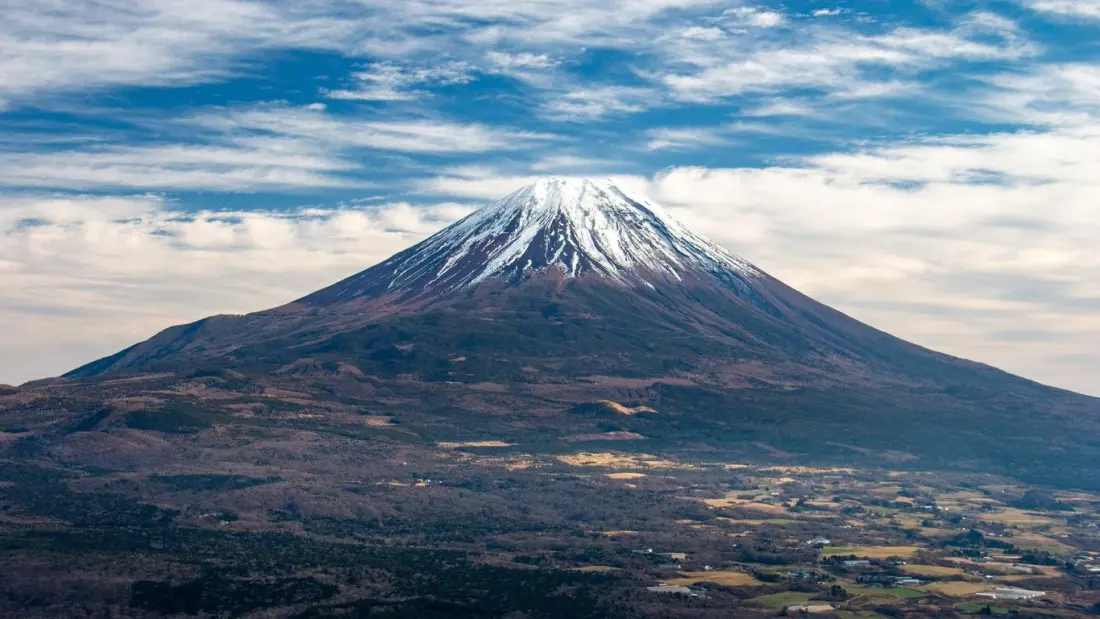
Yamanashi Prefecture has decided that anyone needing a helicopter rescue on Mount Fuji outside the official climbing season — and without a filed climbing plan — will pay for the privilege. The charge: 8,000 yen for every five minutes the helicopter is airborne, with the system expected to launch around September next year.
The rule targets a growing problem on Japan's tallest peak. Yamanashi and neighbouring Shizuoka, the two prefectures that manage the mountain's routes, have reported a steady rise in off-season and unplanned climbs, some ending with stranded climbers waiting for rescue. Fuji's official climbing window is short — generally July 1 to September 10 — and the mountain outside those dates is a very different proposition. Weather can turn severe fast, and the first-aid stations that operate during the season are shut, meaning a twisted ankle or a whiteout in October is a far more serious event than in August.
The key detail is the climbing plan. The charge applies to those rescued off-season who didn't submit one. Authorities hope the combination of a financial deterrent and a paperwork requirement will cut down on impulsive summit attempts by travellers who arrive outside the window and go up anyway.
Yamanashi isn't acting in a vacuum. Officials consulted Shizuoka and looked at Saitama Prefecture, which already bills for some helicopter rescues under a local ordinance — so expect this model to spread across other Japanese mountains if it works on Fuji.
Why should a traveller care? Because thousands of visitors each year assume Fuji is a walk-up summit year-round. It isn't. If you want the full experience — open huts, mountain stations, busy trails, rescue backup if things go wrong — climb inside the July-to-September season. Off-season ascents are for properly equipped alpinists with winter experience, not holidaymakers with a free morning in Tokyo. And from next September, a mistake on the off-season slopes could cost you thousands of yen per minute of helicopter time on top of the danger.
The practical takeaway is simple: plan your Fuji climb for the official season, submit the required climbing plan, and treat the mountain with the respect its 3,776 metres demand — it's a serious climb even at the best of times, with altitude, overnight starts and rapidly changing conditions to factor in.