Ryanair and luxury private aviation are about as far apart as it gets — think non-reclining seats, no free snacks and boarding scrums at the gate. Yet the Irish carrier quietly operates a fleet of brand-new Bombardier Challenger 3500 business jets. The twist? Not a single paying passenger has ever sat on board.
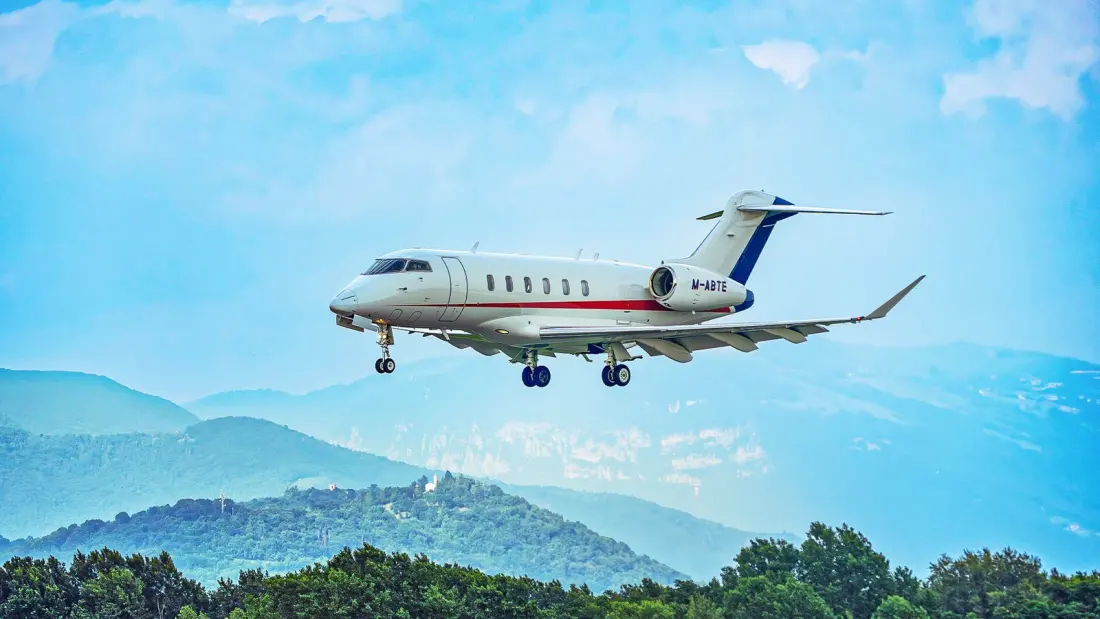
The four Challengers, all delivered new between March 2025 and April 2026 and registered in the Isle of Man (M-ABSU, M-ABTE, M-ACOR and M-ASBA), exist purely to keep Ryanair's main fleet flying. When a Boeing 737 breaks down at a remote airport, one of these jets rushes spare parts, engineers or fresh crew to the scene. The maths is simple: a private jet sortie costs roughly €10,000–€20,000, while a cancelled or badly delayed flight under EU261 rules can cost the airline over €100,000 once compensation, hotels, meals, rebooking and crew disruption are tallied up.
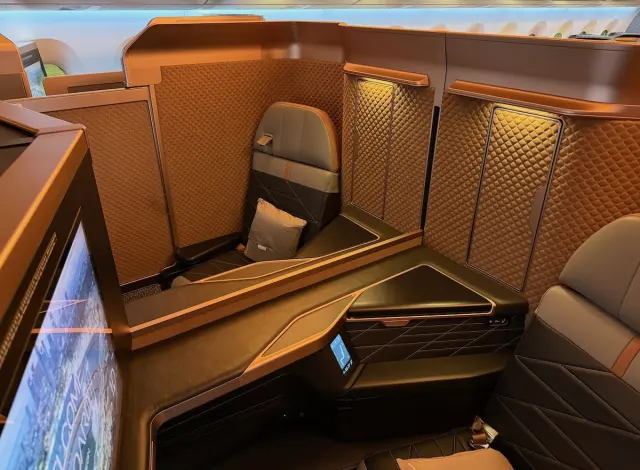
This isn't Ryanair's first side hustle in business aviation. It previously ran a small fleet of Learjet 45s and 45XRs, bought between 2012 and 2022, doing the same engineering-support work under call signs like FR1 and FR2. One Learjet 45XR, registration M-ABGV, is still flying alongside the newer Bombardiers. The Challengers are a serious upgrade though: a 3,400 nautical mile range, ten-passenger cabin and cruise speed of Mach 0.82, all for a combined outlay likely just under $100 million — a rounding error when you're keeping 340 Boeing 737s in service.
The setup makes particular sense for Ryanair because of how it operates. Unlike hub-and-spoke carriers, it flies point-to-point across hundreds of airports, so its engineers, spare parts and standby crew are scattered across Europe. A fast business jet is the glue that holds that decentralised network together. The airline is even hiring for the operation, with an expression of interest out for a Challenger 3500 captain based in Bergamo, Italy — a role paying up to €133,400 and flying to as many as 240 destinations.
For travellers, the relevance is indirect but real. These jets are one of the tools Ryanair uses to rescue delayed flights before EU261 compensation kicks in — meaning that saved flight to Alicante or Krakow might owe its departure to a Challenger quietly repositioning an engineer. Aviation enthusiasts can even spot them on flight trackers, though they only fly when something has gone wrong elsewhere in the network, so sightings are rare. And if you've ever wondered why ultra-low-cost carriers obsess over on-time performance, this is the answer in hardware: sometimes the cheapest way to run a budget airline is to own four private jets.