A veteran reviewer set out to fly one of the last two first class products he'd never tried — Starlux Airlines — and built an entire luxury Japan trip around it. The resulting itinerary is a masterclass in how frequent flyers stitch together premium cabins, hotel inspections and positioning flights into one trip.
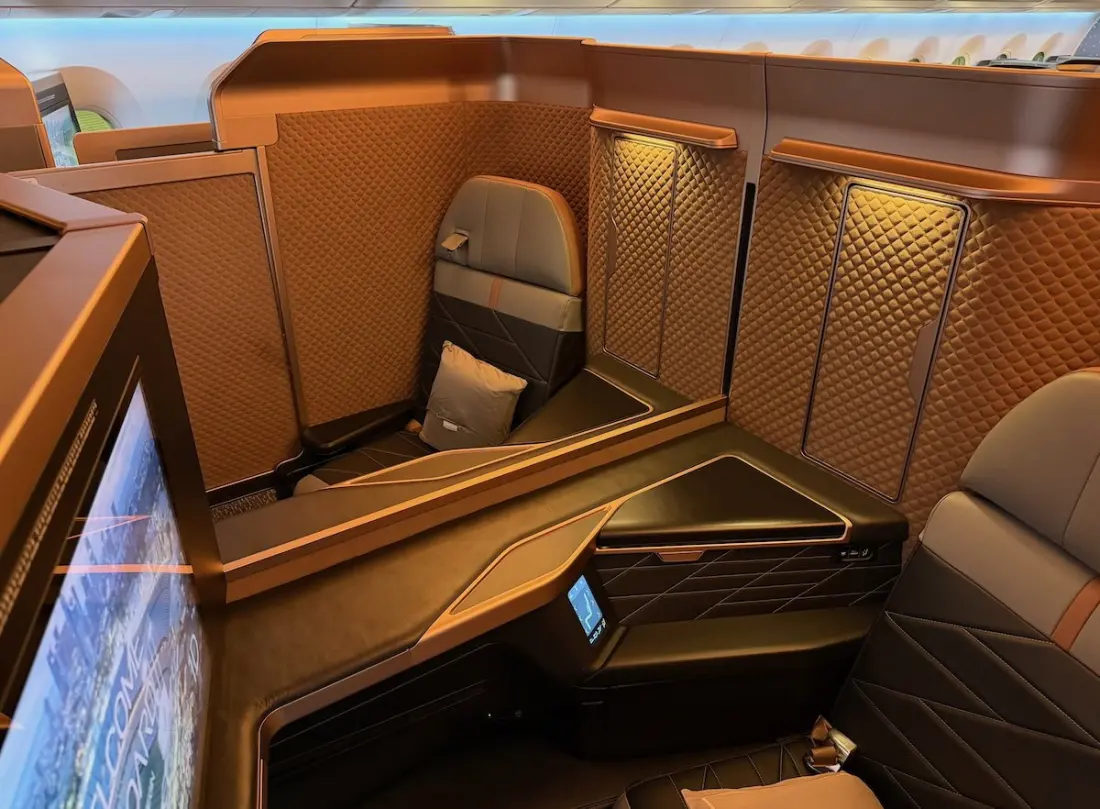
The outbound went from Los Angeles to Tokyo via Taipei, flying Starlux first class on an Airbus A350-900, then continuing on the A350-1000 to Narita. The booking cost 120,000 Starlux COSMILE miles plus $306.20 in taxes and surcharges. The catch: Starlux award space is plentiful and the redemption rate looks tempting, but earning the airline's miles is genuinely difficult. The workaround was buying miles directly at four cents each — $4,800 for the miles alone, roughly $5,106 all in for a one-way ticket. That's a lot of money, and the reviewer called it the second priciest ticket he'd ever booked. Still, it undercuts the typical ~$9,000 cash fare by a wide margin.
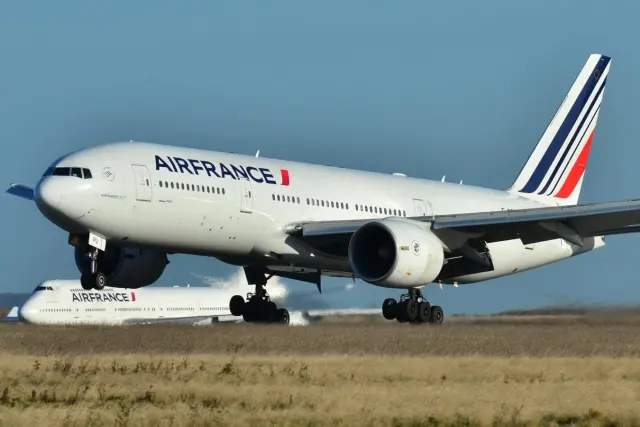
The return leg was deliberately more economical: Philippine Airlines business class from Osaka to San Francisco via Manila, on an A330-300 and then the airline's new flagship A350-1000. It cost 116,442 Chase points redeemed at 1.5 cents each against a $1,746.63 fare — not a headline-grabbing points value, but a sensible way to avoid more out-of-pocket spending while sampling a cabin that will matter more once Philippine Airlines joins oneworld.
On the ground, the trip focused on four high-end hotels: the BVLGARI Tokyo (rumoured to be the brand's best property), the newly opened Waldorf Astoria Osaka, the Osaka Station Hotel in Marriott's Autograph Collection with its Ambassador-level "Specialty Salon" lounge, and Patina Osaka — a Capella-owned brand that recently placed 33rd on The World's 50 Best Hotels list. Osaka in particular is flagged as a fast-growing luxury hotel market, which is useful intel if Tokyo feels saturated.
Lounge coverage is also on the way, including The Salon at PS in Los Angeles, Starlux's first class lounge in Taipei, and Philippine Airlines' Mabuhay Lounge in Manila.
Why does this matter to regular travellers? First, it's a rare honest look at what "buying your way into first class" actually costs — sometimes the maths works against a famous redemption. Second, it spotlights Osaka as a serious luxury alternative to Tokyo, with three brand-new or notable properties worth comparing before you book. And third, it shows how mixing paid fares, transferred points and purchased miles can build an otherwise unaffordable trip.
The full reviews are still to come, and the writer hints his final impressions of some of these hyped experiences were not what he expected — worth following if you're weighing a splurge on any of them.