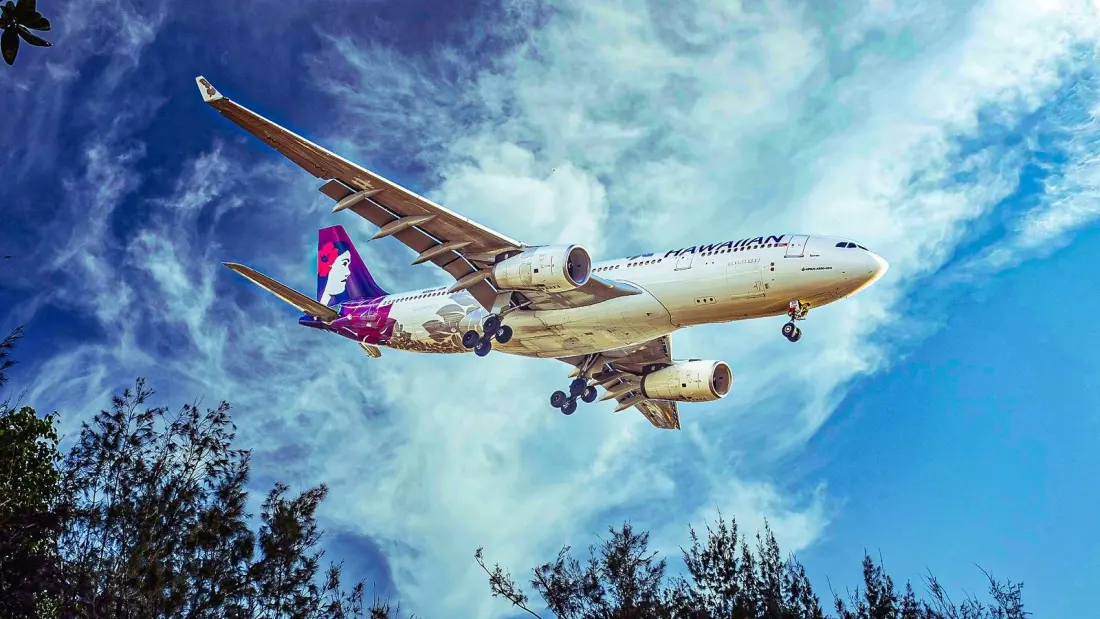
A Hawaiian Airlines Airbus A330 flying from Los Angeles to Honolulu was at the centre of a fume scare last week, after seven flight attendants reported nausea and headaches caused by a mystery odour in the cabin. Flight AS803 — sold under the Alaska Airlines brand but operated by Hawaiian, which Alaska now owns — had left Los Angeles at around 10am local time on 24 September with 252 passengers and nine crew on board.
The smell was noticed at some point during the nearly six-hour flight. Crew did not divert, and the jet touched down in Honolulu just before 1pm, where the affected flight attendants were assessed and released by medical staff. The airline insists no passengers needed treatment, though local EMS reports suggested some travellers had also felt unwell.
What has raised eyebrows is how quickly the aircraft returned to the schedule. The 11-year-old A330, registration N375HA, spent roughly ten and a half hours on the ground in Honolulu before departing at 11:34pm on a flight to Las Vegas. It has since flown several more sectors, including a round trip to Tokyo Haneda. Neither Hawaiian nor Alaska has explained what caused the odour or what, if anything, was fixed.
There is a history here, too. The same aircraft declared an emergency and turned back to Tokyo in June 2025 after pilots smelled an odour in the cockpit shortly after takeoff, and it had another fume event in 2023 that was traced to a damaged air duct. The incident also came just days after a Delta flight from Maui diverted to Honolulu when both pilots had to go on oxygen following a similar event.
Fume events are a growing talking point in aviation because of how cabin air works on most modern jets, including the A330: air is bled from the engine compressors, and if seals or ducts fail, oil or hydraulic fluid can creep into that air supply. Most incidents are minor, but the symptoms crew describe — headaches, nausea, dizziness — are why regulators and unions are pushing for closer monitoring.
Why should holidaymakers care? If you are flying to Hawaii with Alaska or Hawaiian in the coming months, this is the aircraft type likely to carry you — the A330-200 is a workhorse on mainland-to-Honolulu routes and the Tokyo Haneda link. The practical takeaway is modest but real: if you ever notice an unusual smell on board, tell the crew promptly, keep hydrated, and don't dismiss symptoms after landing. For frequent flyers, it's also worth knowing that fume events, while unsettling to read about, remain rare relative to the thousands of flights operated daily, and crews are trained to respond exactly as this one did. The open question — and the one worth watching — is whether regulators dig into why a single aircraft keeps reporting odours.