Forget the usual beach-or-city debate. Editors of CNT Spain have drawn up a definitive list of the country's seven wonders for 2026, and it reads like a plan for seeing a completely different side of the country — from Moorish palaces to a European desert most people don't know exists.
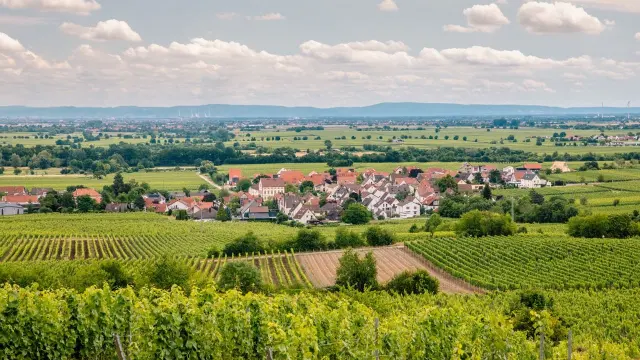
The obvious headliner is Granada's Alhambra, the fortress-palace complex of the Nasrid sultans. It's less a single building than a small city, with Moorish courtyards, sandy-toned walls and fountains everywhere you look. If you've already ticked it off, the list pushes you somewhere far quieter: Galicia's Ribeira Sacra, where cliffs drop 500 metres into the Sil and Miño river gorges, wrapped in vineyards, Romanesque monasteries and walking trails. It might be Spain's most under-the-radar region right now.
In Córdoba, the Mezquita remains one of the strangest and most beautiful buildings in Europe — a basilica turned mosque in 786, then a cathedral in 1236, with red-striped arches layered under Gothic, Renaissance and Baroque additions. The tip from those who know it: go at opening time, or late at night when the light show takes over. On Tenerife, Teide National Park holds Spain's highest peak, the 3,718-metre El Teide volcano. You can hike it, take the cable car, or join a guided stargazing tour — the skies up there are among the best in Europe.
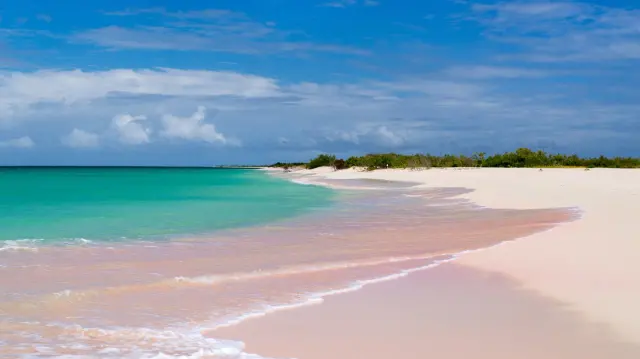
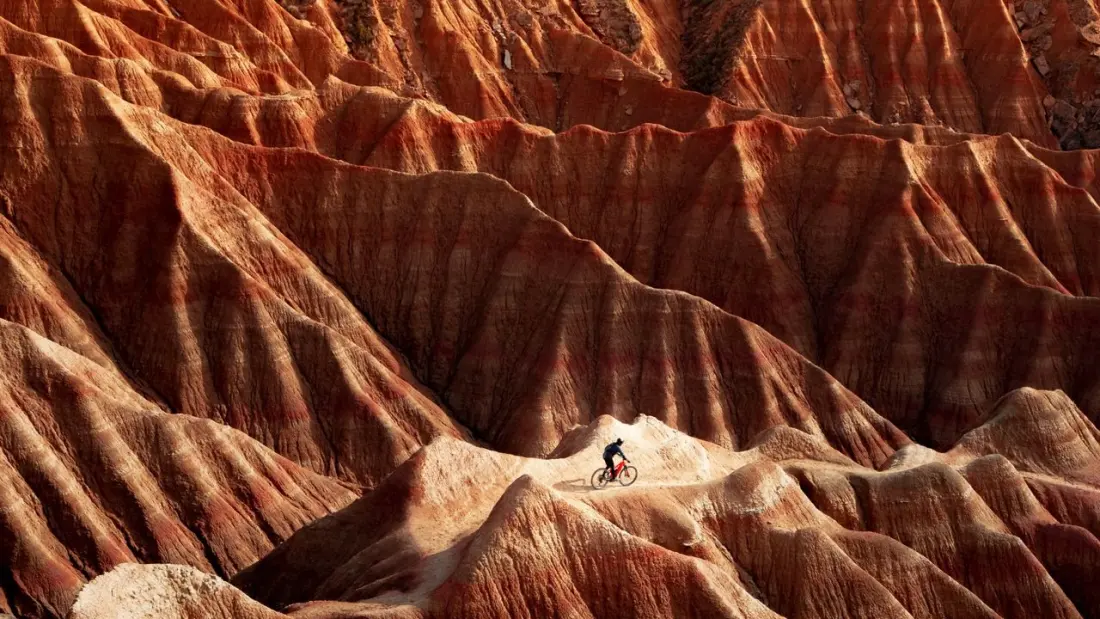
History lovers get two picks. Mérida's Roman Theatre, built between 16 and 15 BCE for around 5,000 spectators, is still renowned for its acoustics in what is a UNESCO World Heritage city. And nature gets its due too: the Bardenas Reales in Navarra, a UNESCO-protected semi-desert stretching over 100,000 acres, with off-road tracks, mountain biking and hiking — genuinely Sahara-like scenery in the middle of northern Spain. Finally, the Cabo de Gata nature reserve in Almería serves up wild volcanic coastline and some of the country's best beaches, flipping from lunar and parched in winter to green and lush by spring.
What makes this list useful is the spread: it covers Andalusia's big-hitters but also points travellers towards Galicia, Navarra and Almería, where crowds are thinner and costs lower. You could easily build a two-week trip around four or five of these, or pick one region and go deep. Either way, it's a strong shortcut for anyone planning a 2026 Spanish holiday beyond the usual suspects.