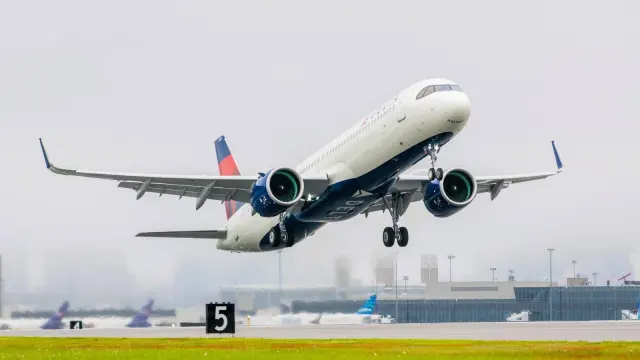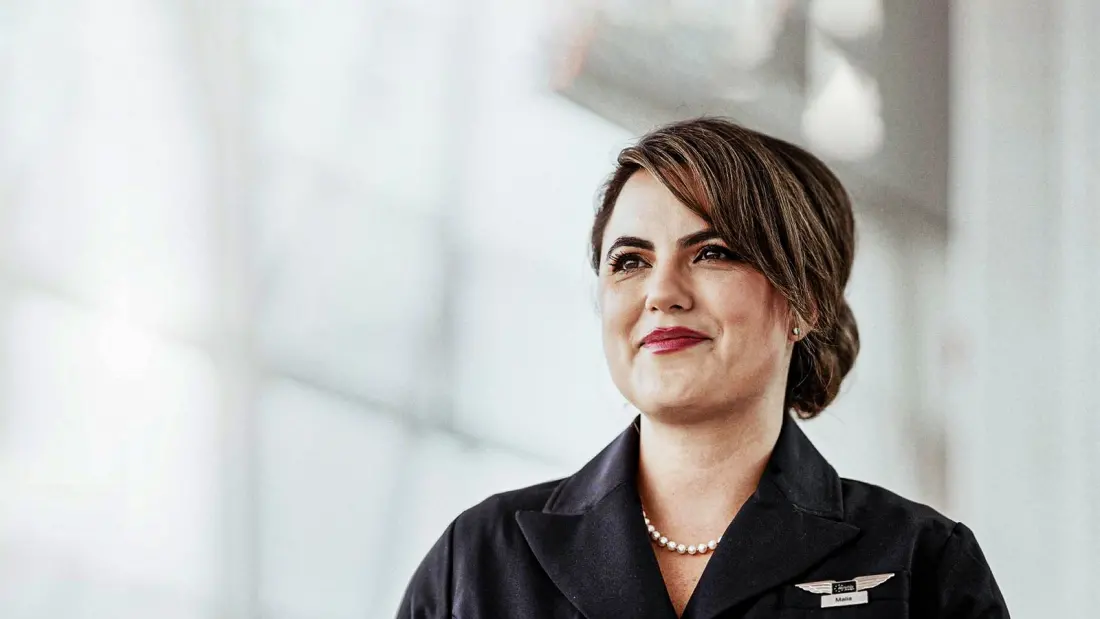
On 2 September, on a United Airlines flight operated by Republic Airways from Newark to Grand Rapids, flight attendant Monique Harris spotted something alarming: an exhausted first-time mom had dozed off with her infant on her lap, and the baby was starting to roll. Harris lunged from her jumpseat, caught the child, then held the baby while telling the mum to go back to sleep. 'Don't be embarrassed. You're a first-time mom,' she told her. 'If you need a little help, there's nothing wrong with getting a little help.'
Fellow passenger John Frehse witnessed the whole thing and asked to photograph Harris for social media. His Instagram post hit over 205,000 likes within a week, and the two are now firm friends who chat most days. There was a backstory, too: the mother had been on holiday in Colombia when she discovered she was pregnant and gave birth there unexpectedly. Because her baby was born in Colombia, she was stuck on a no-fly list for two and a half months before finally making it home to the US — hence the exhaustion.
Harris, who has two daughters and four grandchildren, is known for writing handwritten notes to passengers, and says she never acts for recognition: 'You never know what people are going through, and one little word might change their whole day.' Republic Airways called her an extraordinary colleague.
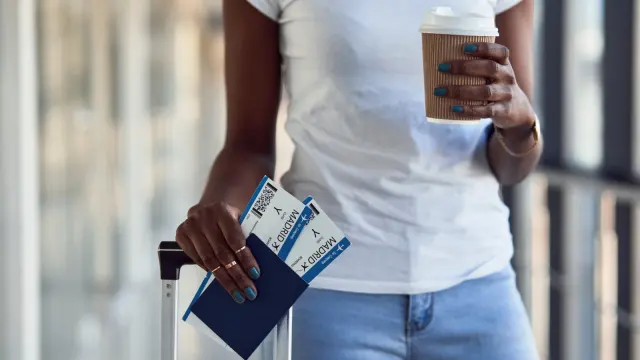
The story is a nice reminder that cabin crew are safety professionals first, but it also comes with genuinely useful lessons for anyone flying with a baby. Timing helps: fly off-peak to dodge queues, book everyone on one reservation so seats stay together, and use family lanes at security — children 12 and under can keep their shoes and light jackets on under TSA rules. Strollers and car seats fly free on the big US carriers as gate-checked items, and formula or food pouches are allowed through security in larger-than-normal quantities if you declare them.
Once onboard, remember that infants under two can fly free on a lap domestically, though the FAA recommends buying a seat and using an approved child restraint system. Feed a baby during takeoff and landing to ease the ear pressure. Pack a dedicated carry-on per child with snacks, activities and spare clothes — don't rely on the airline, which may have limited nappies and formula. And note the etiquette: change nappies in the lavatory, not on the seat or tray table, and keep kids belted during takeoff and landing.
One caveat worth knowing: crew policies vary. Some US flight attendants say they aren't permitted to hold infants, heat formula or store medication, though many do help informally. Harris's catch, in other words, was kindness going beyond what the rulebook requires — which is exactly why it resonated. In an era of viral air-rage clips, a crew member quietly babysitting a stranger's newborn is the kind of flying story worth celebrating.