The European Commission has reshared its shortlist for a newly merged award: the European Capitals of Tourism 2027. From 2027, the existing European Capital of Smart Tourism and Green Pioneer of Smart Tourism titles fold into one competition, with two cities set to be crowned as winners — timed to coincide with World Tourism Day 2027.
Sixteen cities made the cut after independent experts reviewed applications from across the EU and countries participating in the Single Market Programme. The judges weren't looking for glossy slogans: cities scored best when they backed up their claims on sustainability, accessibility, digitalisation and cultural heritage with concrete numbers and measurable results.
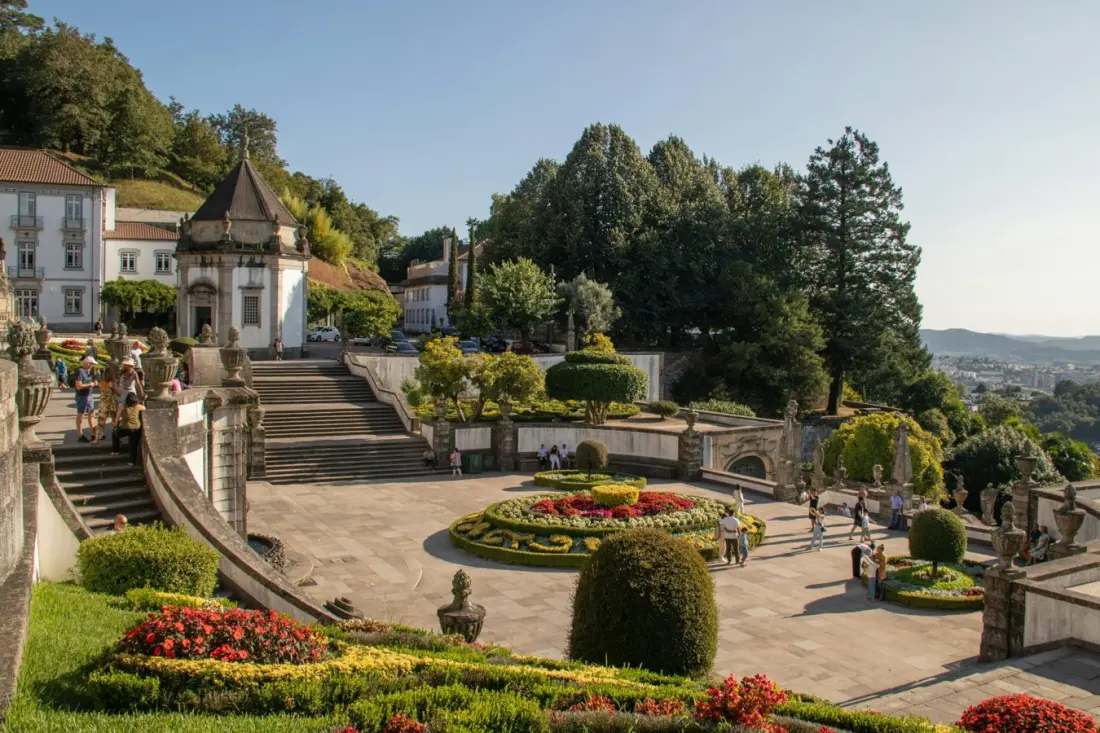
In the big-city category (over 100,000 inhabitants), 43 cities from 18 countries applied. The list was doubled from four to eight because the quality was so high and several cities tied in scoring. The contenders: Aalborg in Denmark, Braga in Portugal, Genoa in Italy, Konya in Türkiye, Ljubljana in Slovenia, Lviv in Ukraine, Salzburg in Austria and Sofia in Bulgaria. Sofia's tourism chief Anton Penev framed the nod as an outside verdict on the whole local tourism ecosystem — an assessment based on data, not marketing.
The smaller-city category (25,000 to 100,000 residents) drew 40 applications from 17 countries, whittled down to eight: Calais in France, Calvià and Ibiza in Spain, Geestland in Germany, Nova Gorica in Slovenia, Sandanski in Bulgaria, Selçuk in Türkiye and Zadar in Croatia. For this tier, the emphasis fell on green transition measures and practices that other European destinations could copy — the whole point of the exercise is sharing what actually works.
The next step comes on 18 and 19 November 2026, when representatives of all sixteen cities travel to Brussels to pitch their proposals to the European jury in person. Two winners will emerge: one large city, one small.
For travellers, the shortlist doubles as a handy cheat sheet of European cities investing in better, greener and more accessible tourism. Some are familiar heavyweights — Salzburg, Genoa, Ljubljana — while others are genuine curveballs, from Türkiye's Selçuk, gateway to Ephesus, to Bulgaria's spa town of Sandanski and Croatia's Adriatic port of Zadar. Lviv's inclusion is a striking vote of confidence amid ongoing conflict in Ukraine. If any of these cities win, expect extra investment, improved infrastructure and a bigger profile in the years that follow — a good excuse to visit before the crowds catch on.