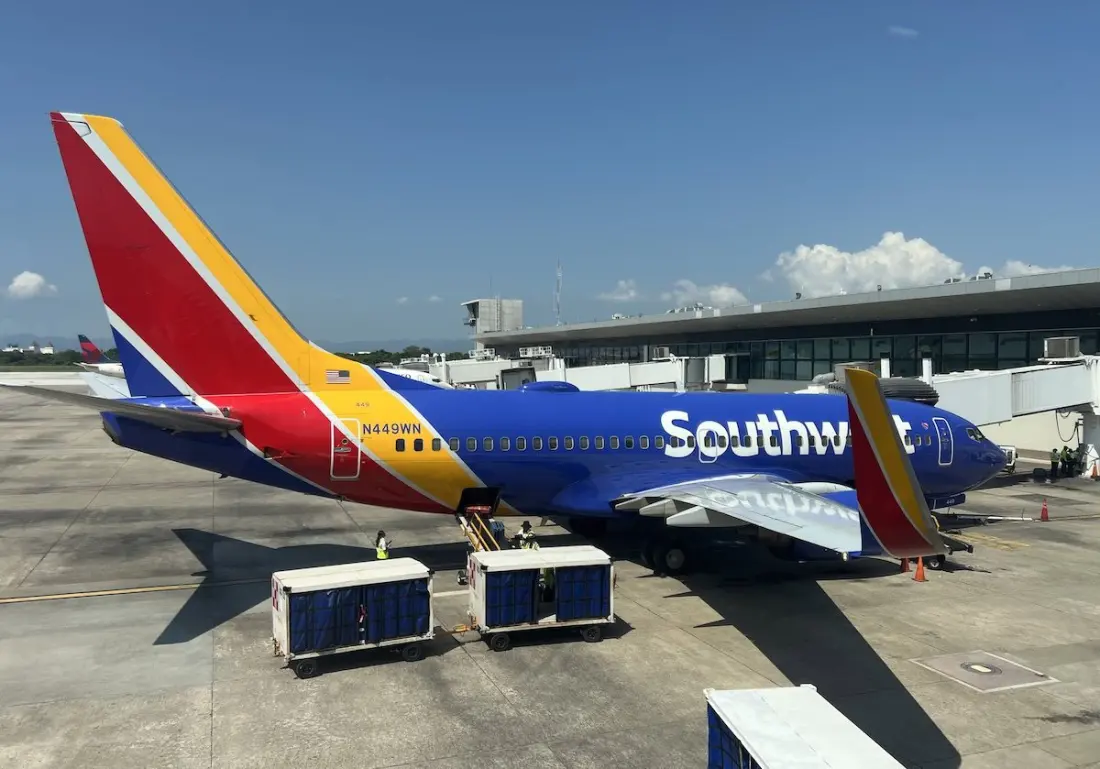
Southwest Airlines, the carrier long defined by domestic point-to-point flying, is reportedly moving closer to ordering widebody jets. According to Reuters reporting, the airline is leaning toward the Boeing 787 Dreamliner for its first widebody order, with a deal potentially covering dozens of aircraft. No final decision has been made — Southwest's board, which formed a Fleet Oversight Committee in 2025 to steer aircraft strategy, gets the last word.
The interesting wrinkle is timing. The Dreamliner's production slots are essentially sold out through the end of the decade, so Southwest is exploring how quickly it could get planes, whether by convincing Boeing to prioritise a loyal customer, or by leasing and buying secondhand aircraft through the secondary market.
If it happens, don't expect Southwest to become another Delta or United. CEO Bob Jordan has framed the ambition modestly: roughly a dozen long-haul destinations, enough to cover where Southwest customers actually want to fly rather than a sprawling global network. The strategy has two aims — stop loyal flyers from defecting to competitors for international trips, and make the Rapid Rewards program genuinely useful for premium redemptions instead of just domestic hops.
Summer flights to Athens, London, Paris or Rome would likely be the anchor routes, given how strongly Americans have embraced annual European summers. The harder question is winter. Counter-seasonal flying to South America or the South Pacific exists, but demand there is thinner, particularly among Southwest's traditional customer base.
There are other structural hurdles too. Long-haul international traffic is heavily shaped by the joint ventures of American, Delta and United, whose alliances with foreign airlines let them coordinate fares and schedules — something hard to replicate outside those clubs. And Southwest's own airports pose a problem: Dallas Love Field and Chicago Midway aren't set up for widebody long-haul operations. Baltimore looks like the most logical European gateway, while Denver and Las Vegas sit too far west to capture the bulk of transatlantic demand.
For travellers, the takeaway is that the Southwest of bag fees, assigned seats, extra legroom and planned airport lounges may soon add affordable transatlantic options — potentially a genuinely competitive choice if the airline prices long-haul the way it historically priced domestic. Nothing is confirmed yet, but a 787 order would signal the biggest shift yet in the airline's reinvention.