
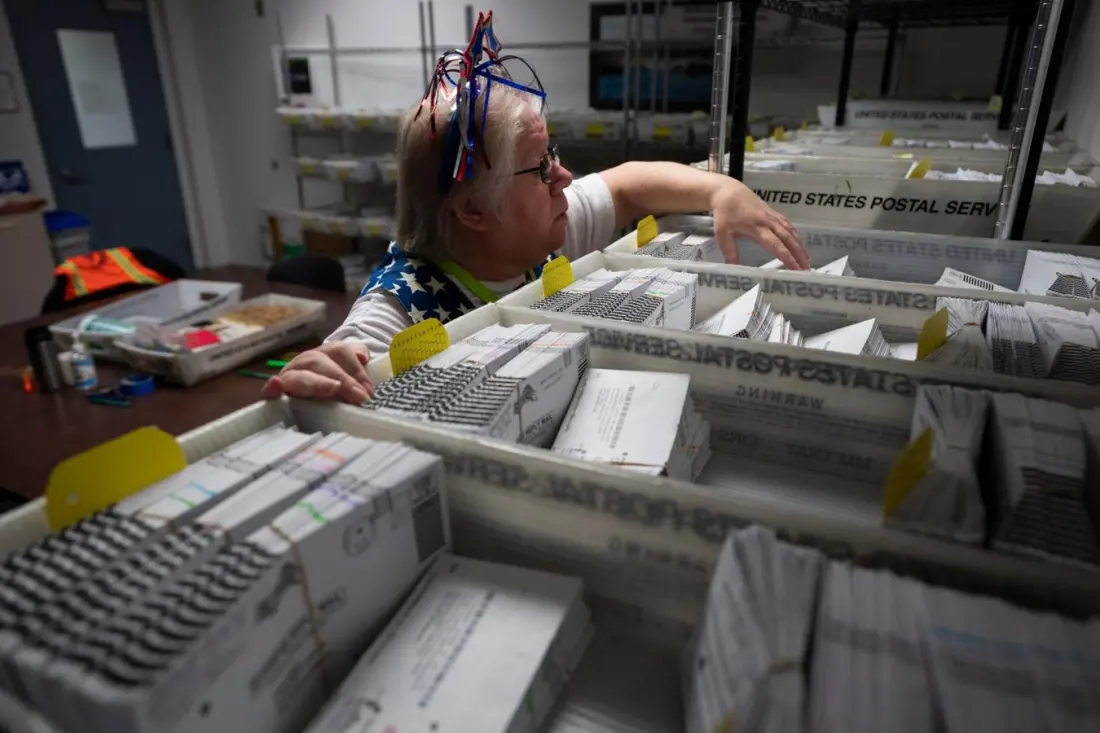
With midterm voting already underway across the United States, the Supreme Court has turned away the Trump administration's attempt to impose new restrictions on mail ballots — at least for this election cycle. The upshot: states can keep running their mail voting systems exactly as they have for years, without adopting the federal government's last-minute overhaul.
The dispute centred on a plan that would have forced states to use a uniform envelope design and upload lists of eligible voters to an online portal, with the US Postal Service empowered to refuse delivery of ballots from states that didn't comply. The administration argued that its oversight of the Postal Service gave it authority to set these rules. Roughly one in three American voters casts a ballot by mail, so the stakes were high for November's contests that will decide control of Congress.
Timing was the plan's biggest problem. Election officials testified there was no realistic way to rebuild ballot systems in the weeks before an election already in progress — Alabama, North Carolina and Wisconsin had all started mailing ballots while the new system remained inactive. A whistleblower report added that the portal was poorly built and that a single bar code error could cause an entire batch of ballots to be discarded, potentially keeping millions of ballots from ever reaching voters.
Democratic state officials and voting rights groups sued, arguing the president has no constitutional power to rewrite election rules and that the changes would effectively wipe out mail voting right before a major election. Lower courts agreed, blocking the plan — including a preliminary injunction from a judge Trump himself had appointed. The administration appealed, and while it won an early procedural round at the Supreme Court, the justices sidestepped the underlying legality question. Monday's decision leaves that question open, meaning the fight over mail voting rules is likely far from finished.
There's a personal irony, too: Trump has spent years attacking mail voting and falsely blamed it for his 2020 loss to Joe Biden, yet regularly votes by mail himself, including this year.
For travellers, this matters if you're an American planning to be overseas during the midterms — your mail ballot will arrive and be processed under your state's usual rules, so the disruption some feared won't materialise this time. Anyone following US politics should note that the Supreme Court has declined, for now, to settle whether federal authorities can dictate mail ballot procedures, so expect this issue back in court well before future elections.
Reporting via Japan Today.