Lufthansa is pencilled in to fly its last Airbus A340-600 passenger services on October 18, 2026, with departures from Frankfurt to both New York JFK and Washington Dulles. Dates may still shift, but after two decades of long-haul flying, one of aviation's most graceful airliners is bowing out of scheduled service. No carrier flew more of them, or kept them in service longer, than Lufthansa, which took delivery of 24 examples from 2003.
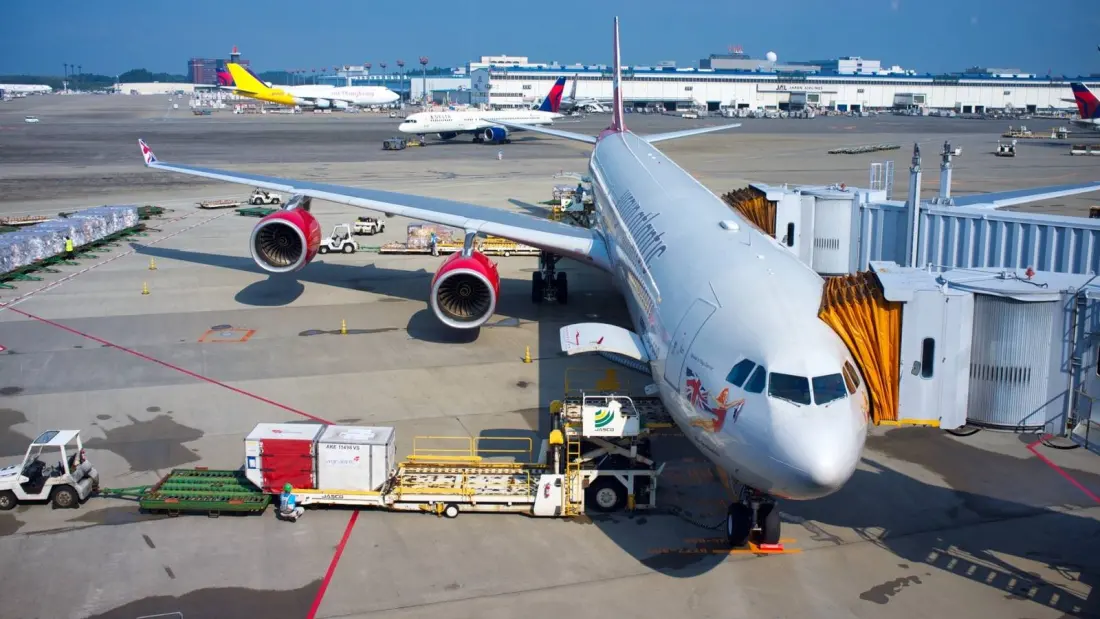
The type's story is told in a farewell piece by Captain Chris Pohl, a senior training captain with 45 years in commercial aviation, who spent 25 years and roughly 15,000 hours on the A340 family. He flew his first A340-300 in 1994 out of London to Hong Kong and Tokyo — including the famously tricky departures from Kai Tak's runway 13 — and was at the controls of Virgin Atlantic's first A340-600 in August 2002, when the airline launched the type on Heathrow–New York.
The -600 was a different beast from the earlier, underpowered -300. At 75.36 metres long, it was the world's longest airliner until the Boeing 747-8 appeared, powered by four Rolls-Royce Trent 500s putting out 56,000 lb of thrust each, with a range of about 7,250 nautical miles and room for 308 passengers in Virgin's layout. Pohl describes it as overpowered in the best way: crews regularly cruised at under 70% thrust, and a lightly loaded departure with full power was unforgettable. Virgin eventually flew 19 of them, retiring the type in March 2020.
So why did the quadjet die? Extended ETOPS rules let efficient twins like the 777 and A330 fly oceanic routes directly, while fuel costs rose from around 50 cents a gallon in the late 1990s to nearly $4 at the 2008 peak. More than 100 A340s still flew daily in January 2019; the pandemic parked them almost overnight.
There's a brief cargo epilogue: UK-based European Cargo ran seven former Virgin -600s from Bournemouth carrying freight and e-commerce parcels, though it entered administration in June 2026 — with rumours of a rebirth as European Aviation. A few A340s live on in VIP roles, including a charter-configured -300 operated by AirX from London Stansted with 100 lie-flat seats.
Why should a traveller care? If you've never flown on a four-engine airliner, this autumn is close to your last realistic chance on a scheduled passenger route — Frankfurt to the US East Coast on Lufthansa's -600 is it. Aviation enthusiasts already track these final sectors, but even casual flyers might savour the experience of a plane that modern twins have replaced in the name of fuel burn, not romance. Watching one climb away on four engines is a sight that will soon belong to airshows and VIP hangars.
For the pilots and crews who flew it, the aircraft carries something logbooks can't record: sunrises over the Indian Ocean, night crossings over Africa, and two decades of passengers delivered safely home. The A350-1000 taking its place at Lufthansa is, by most measures, the better aeroplane. It just isn't the same.