
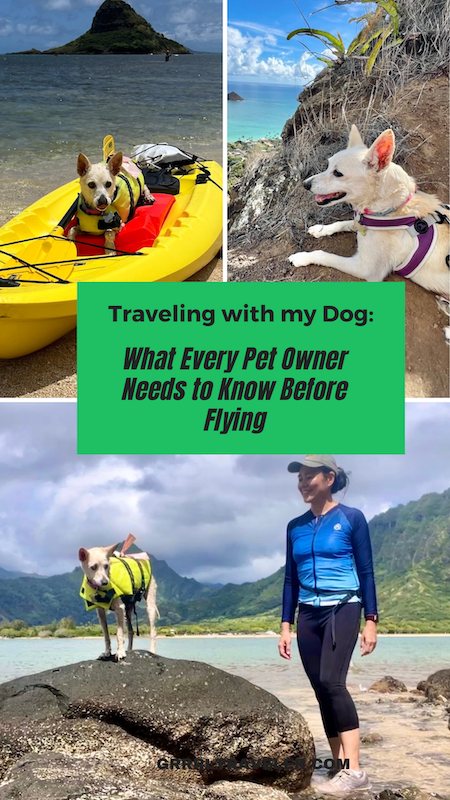
A Hawaii-based travel writer planned to take Tinker, her 12-year-old terrier, on adventures around the world. Then the research kicked in: Tinker is diabetic, needs refrigerated insulin twice daily, requires glaucoma eye drops four times a day, and panics at loud noises. Add a minimum four-to-six-hour flight just to leave the islands, plus Hawaii's strict pet quarantine rules, and the verdict became clear — she's not a good candidate for flying. The piece that resulted from that decision is a genuinely useful guide for anyone weighing the same choice.
The core message: not every dog should fly, and admitting that can be an act of love. Good candidates are young to middle-aged, healthy, calm, happy in a crate, and unbothered by car rides. Red flags include senior status (roughly 10 years and up), chronic conditions like diabetes, heart disease, glaucoma or epilepsy, severe separation anxiety, noise phobias, and short-nosed breeds such as pugs, bulldogs, shih tzus and Boston terriers — many airlines ban these flat-faced breeds from cargo entirely because of respiratory risk.
Cabin versus cargo is a safety question, not just a convenience one. Small dogs (usually under 15-20 pounds) can fly in the cabin, where you can watch them and react to distress. Cargo means separation, engine noise, temperature swings and no way to intervene — a poor fit for anxious, elderly or unwell dogs.
If your dog does make the cut, preparation is everything. Book a vet checkup four to six weeks out, keep vaccinations current, and sort out health certificates — often required within ten days of travel — plus any quarantine or timing-sensitive rules for your destination. Carry vaccination records, written medication instructions, your vet's emergency contacts, and update that microchip registration.
Flight-day wisdom worth stealing: book direct flights, tire your dog out before the airport, arrive early, skip sedatives unless your vet approves (they can affect breathing at altitude), feed a light meal a few hours before, keep meds in your carry-on, and pack familiar-smelling bedding. Label the carrier with your contact details and your dog's name.
For road trips, secure your pet with a harness or anchored crate, stop every two to three hours, and never leave a dog in a parked car — temperatures climb dangerously fast even with windows cracked.
Finally, accommodation: filter searches on Booking.com, Airbnb or BringFido, but call the property directly to confirm pet policies, fees and breed or size limits, and read reviews from other pet owners. Choose places near parks and green space so bathroom breaks and walks are easy.
The bottom line is refreshingly honest for a pet-travel piece. Flying with a dog can work brilliantly for the right animal, but for the wrong one it's a health gamble dressed up as an adventure. If your dog is senior, sick, noise-phobic or flat-faced, the kindest trip might be the one you take without them — or the road trip you drive instead.