
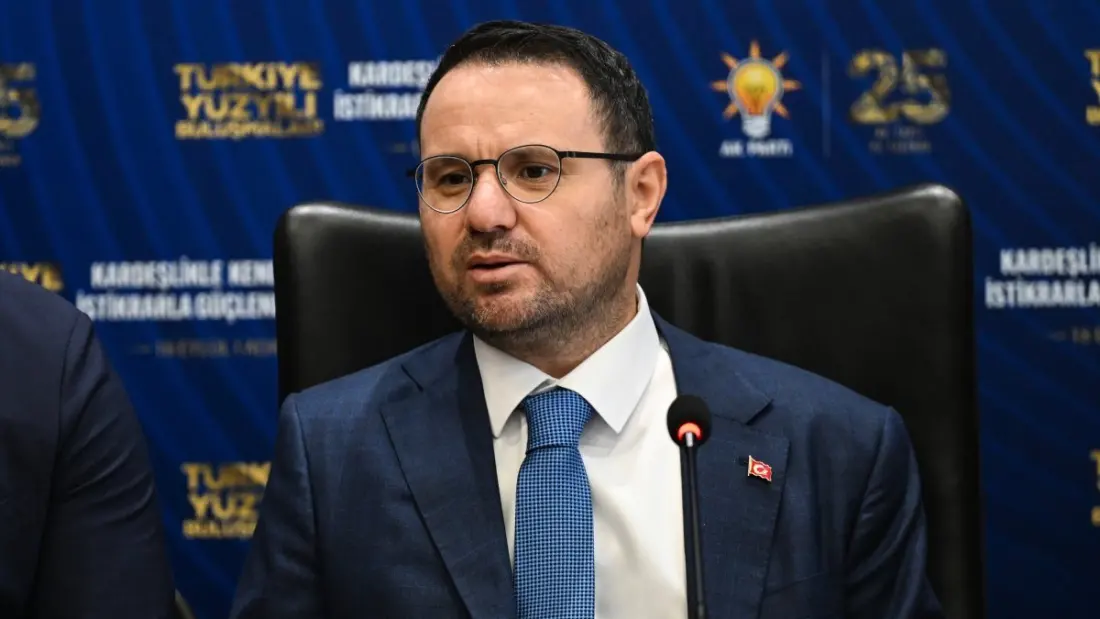
Turkish police launched dawn raids across Istanbul and the southwestern province of Muğla, detaining 175 of 239 suspects accused of running a huge international investment fraud operation, Justice Minister Akın Gürlek announced. Simultaneous operations hit 28 companies and 42 call centres at 286 addresses, with Interpol units joining in.
The scheme, uncovered through four separate investigations by the Istanbul Chief Public Prosecutor's Office in 2026, worked in a familiar but effective way. Call centres staffed by multilingual customer representatives advertised forex and cryptocurrency investments on social media, promising high returns to foreign nationals. Victims were directed to investment platforms controlled by the suspects, where fabricated profit figures were displayed to encourage ever-larger deposits. When anyone tried to withdraw their money, they were hit with invented fees — 'account blockage' charges, 'taxes' — before the funds vanished into overseas bank accounts and cryptocurrency wallets.
Investigators traced an ownership and beneficiary structure heavily linked to Israel, according to findings from Türkiye's Financial Crimes Investigation Board combined with intelligence work and hundreds of victim complaints collected through Interpol. The operation was coordinated by the prosecutor's Bureau for Investigating Terror Financing and Money Laundering Crimes, working with the National Intelligence Organization, the organised crime department and Istanbul police's cybercrime unit.
The scale is striking: roughly 13 billion Turkish liras — about $266.4 million — moved through the network over two years in transactions believed to relate to office expenses and salaries. Victims spanned multiple continents, with targets concentrated in Europe, the Far East and Africa.
Why does this matter to travellers and expats? Investment scams like this one target people wherever they are, and holidaymakers or long-term visitors in Turkey are frequently approached through social media ads promising quick returns on crypto and forex. The red flags here are worth memorising: guaranteed high returns, slick platforms showing profits that always seem to grow, and withdrawal fees demanded before you can access 'your' money. If a platform asks for extra payments to release funds, it is a scam — full stop. Any legitimate investment is regulated; before putting money into anything advertised online, check the firm against your home country's financial regulator's register. And if you have been targeted, report it to your national police and Interpol, which is exactly how many of the complaints in this case were gathered.
The investigation remains active, with authorities still working to apprehend the remaining suspects at the time of the announcement.