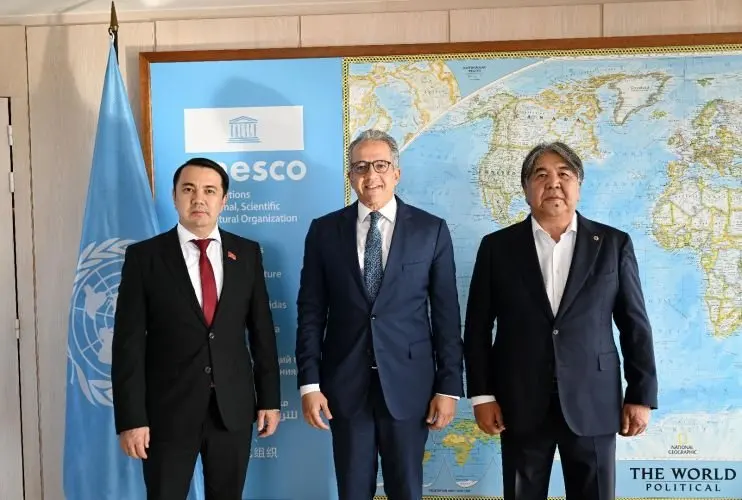
Kyrgyzstan could soon see a wave of international archaeological work on its ancient settlements. UNESCO has confirmed it is ready to send scientists and archaeology specialists to the country to study the remains of historic sites — including ones hidden underground and even underwater. The announcement followed a meeting in Paris between Marlen Mamataliev, Speaker of Kyrgyzstan's parliament, the Zhogorku Kenesh, and UNESCO Director-General Khaled El-Enany. MPs Talant Mamytov and Kamila Talieva, plus Kyrgyzstan's Ambassador to France and permanent UNESCO delegate Sadyk Sher-Niyaz, also attended.
The talks centred on how to study and protect these ancient settlements as historical heritage. For a country that most travellers associate mainly with mountains and nomadic culture, this hints at a deeper story waiting to be surfaced. Central Asia's Silk Road towns and fortress ruins are poorly explored compared with Uzbekistan's famous sites, so serious UNESCO-backed research could eventually put Kyrgyzstan's buried history on the travel map.
Several other cooperation threads came out of the meeting. UNESCO said it will support the Second Global Mountain Summit Bishkek+25, which the capital is scheduled to host next year — fitting for a country where mountains cover the vast majority of the terrain. Both sides also floated joint work on a Creative City project, plus development of geoparks and wider projects to preserve cultural and natural heritage. Mamataliev stressed Kyrgyzstan's interest in deepening cooperation with UNESCO, and also highlighted the country's tourism potential and its efforts to protect mountain ecosystems and mitigate climate change impacts.
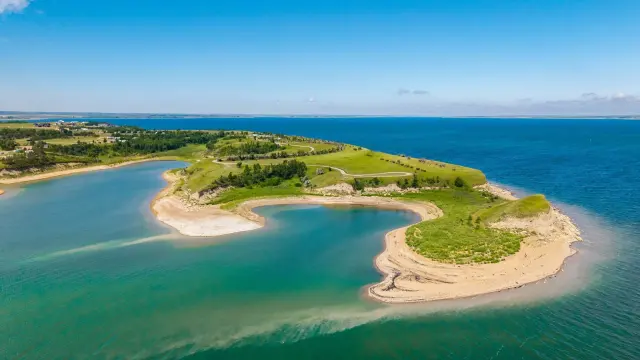
Why should travellers care? If you enjoy visiting places before they get polished, now is a good time to go. Kyrgyzstan offers unfiltered Central Asian travel: yurt stays near Song-Kul lake, treks in the Tian Shan, the red sandstone cliffs of Fairytale Canyon, and the 11th-century Burana tower — a Silk Road-era minaret that is currently the country's flagship historical sight. A stronger UNESCO partnership could mean more sites excavated, documented and opened to visitors in the years ahead, from lost Silk Road settlements in the Chuy valley to possible lakeside and submerged archaeology around Issyk-Kul, which is well known for hiding submerged ruins.
For now, the practical takeaway is simple: Kyrgyzstan is cheap, scenic, safe for independent travel and still under-visited. If archaeological discoveries follow this UNESCO push, expect the story of the country's past to grow richer — and interest to grow with it. Getting there before the guidebooks catch up is half the fun.