
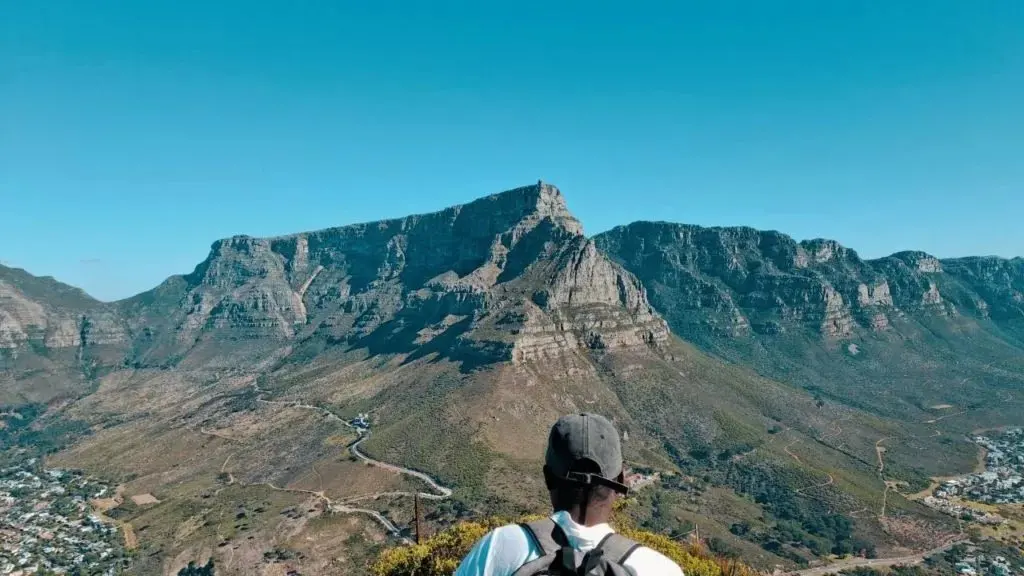
Table Mountain looks eternal, but the fynbos on it needs constant defence. Table Mountain National Park has just renewed permits for 29 volunteer groups, giving them another three years to clear invasive alien plants across the park.
The numbers behind the renewal are striking. Over the past year, those volunteers put in an estimated 7,500 person-days of work and treated more than a million invasive plants. SANParks, which manages the park, says this labour is central to protecting biodiversity, water resources and the Outstanding Universal Value of the Cape Floral Region Protected Areas, a World Heritage Site.
Why the fuss about a few trees? Species like pine, eucalyptus, hakea and wattle aren't from here, and they outcompete indigenous fynbos for space, water and nutrients. Because fynbos is found nowhere else on Earth in this form, losing it to aggressive aliens is a genuine global conservation loss. There's also a safety angle: dense stands of invasive vegetation act as extra fuel, and SANParks warns they can make fires hotter and more intense — a risk to the park's ecosystems and to the Cape Town suburbs that sit right against it.
The groups holding renewed permits include Friends of Elsie's Peak, Friends of Silvermine, the Newlands Conservation Group and the Boyes Drive Clearing Group, with the Sugarbird Trust coordinating 13 clearing teams. Three new outfits are joining the effort too: FynForce from Kommetjie, Project Noordhoeked from Noordhoek and another Sugarbird Trust team working the Silvermine Valley.
For visitors, this is a good reminder that the mountain you hike on your Cape Town trip is a working conservation site, not just scenery. If you're keen to do more than walk the trails, many of these volunteer groups welcome extra hands on weekend clearing sessions — it's one of the more satisfying ways to see parts of the park most tourists never reach.